

Nina Halbrook, U.S. Business, Technology & Industry Writer at Farmington Voice
Nina Halbrook
30 storiesWriter
Business & Technology Writer
Nina Halbrook covers U.S. business, technology and industry for Farmington Voice, with a focus on major companies, artificial intelligence, semiconductors, manufacturing, automotive technology and supply chains. Her reporting looks beyond corporate announcements to examine products, investment, jobs, execution and the evidence behind ambitious claims.
30 latest articles by Nina Halbrook

Michigan Auto Body Shops Build a New Statewide Voice
The Michigan Auto Body Association launched Sept. 21, 2026, and is seeking founding members and legislative influence. In Omaha, two CARSTAR shops helped Picotte Elementary raise more than $30,000 for school programs.

Dearborn Schools gets $460,565 grant to serve more Michigan-grown food
Dearborn Public Schools will use the grant and support services to add more Michigan-grown ingredients to more than 3 million meals served each year. The work will also build stronger ties with farmers and regional suppliers.
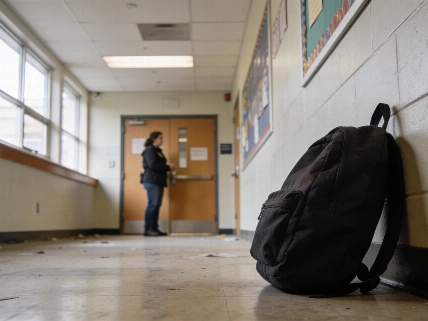
How Did a Gun Reach a Battle Creek Elementary School?
Police responded to Ann J. Kellogg Elementary School after a gun discharged inside a third-grade student's backpack on Sept. 22. No one was injured, but the key question remains unanswered: how did the child get the firearm?

Michigan students testify on Declaration of Independence at state board meeting
High schoolers from East Grand Rapids and East Kentwood spoke before the State Board in Lansing, sharing their views on the Declaration of Independence. The event is part of Michigan's push to make civic education real and relevant.

Michigan School Spending Rises While Third Grade Reading Falls
Michigan now spends over $23,000 per student in public schools, but the latest state test results show third grade reading proficiency has declined since 2019 despite new laws and increased investment.

Michigan State Board of Education race could shift policy direction
Michigan voters will pick two members for the State Board of Education on November 3. The results could change the board's partisan split and shape public school policy for the next eight years.

Michigan third grade reading scores hit record low on state test
Sixty-two percent of Michigan third graders failed to meet grade-level reading standards on the latest M-STEP exam. The results raise urgent questions about state education policy and the future of student achievement.
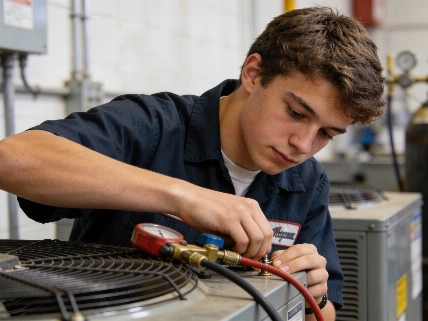
Michigan House backs school credit for full-time skilled trades work
Michigan high school seniors could soon earn academic credit for full-time jobs in skilled trades, thanks to a bill that just passed the state House and now heads to the Senate.

Central Michigan University breaks ground on $100 million medical building in Saginaw
Central Michigan University has started work on a new 90,000-square-foot medical education building in Saginaw. The project will give its College of Medicine a permanent home and aims to open in fall 2028.
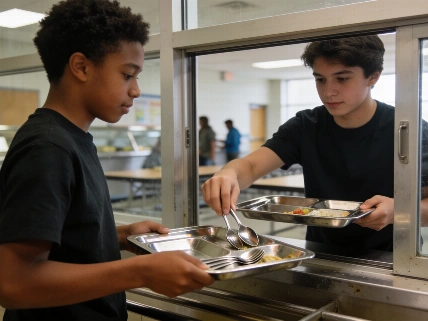
Five Michigan schools slash cafeteria waste with reusable trays and utensils
Five Michigan schools have cut out more than 440,000 single-use plastic items by switching to stainless-steel trays and utensils. The move saves thousands of dollars each year and keeps tons of waste out of landfills.

ACLU launches $2.3 million voter education push in Michigan races
The ACLU of Michigan and its Voter Education Fund are putting $2.3 million into informing voters about civil liberties at stake in Michigan House, Senate, and Supreme Court races ahead of November.
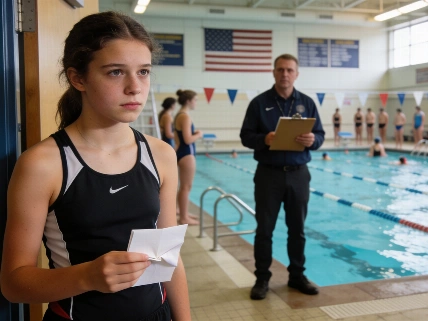
Lakeview High School under fire for menstrual disclosure rule
Parents in Saint Clair Shores are pushing back against Lakeview High School's demand that families report daughters' menstrual cycles to excuse swim class absences. The policy has sparked debate over privacy and fairness.

Linden High School math teacher wins Michigan Lottery education award
Avery Whitten, who teaches math at Linden High School in Genesee County, has earned the Michigan Lottery's Excellence In Education award for her work with students and her dedication to public schools.

University of Michigan falls in 2027 national college rankings
Michigan's top universities saw their rankings shift in the latest U.S. News & World Report list, as new metrics changed how schools are measured and compared.
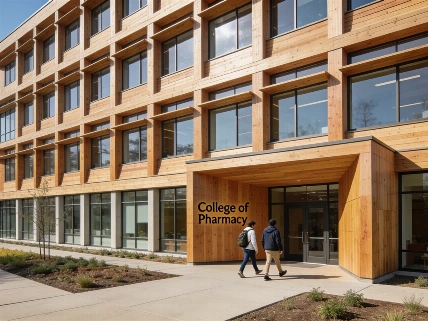
University of Michigan opens new College of Pharmacy building
The University of Michigan has opened a six-story, 142,000-square-foot College of Pharmacy building. The new facility uses mass timber construction and flexible labs to support research, teaching, and sustainability.

Pinckney bus driver leads students to safety after storm traps school bus
A Pinckney Community Schools bus driver used emergency training to get six students out safely after their bus was blocked by fallen trees during a strong storm in Livingston County on September 3.
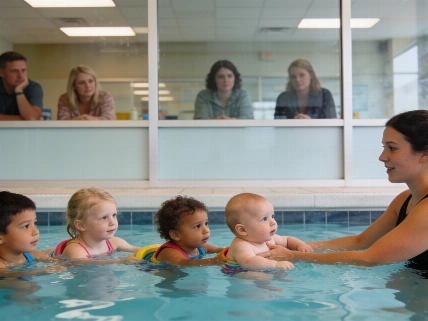
Goldfish Swim School opens in Brighton, bringing swim lessons to local families
Goldfish Swim School has opened its 13th Michigan location in Brighton, offering swim lessons for kids ages 4 months to 12 years. The new site features a 90-degree indoor pool and small class sizes for focused instruction.

Local Businesses Invited to Host Halloween Treat Stations at Ames Field
Michigan City Area Schools is looking for local businesses and organizations to sponsor treat stations at a free Halloween event at Ames Field on October 28, 2026. The event gives families a chance to connect with community partners.

Michigan Public School Attendance Reaches Highest Level Since 2022
Michigan public schools posted a 91.5% attendance rate for the 2025-2026 year, the highest in four years and part of a steady decline in chronic absenteeism across the state.

Security Checks Slow Down Access to WENG Radio Website
Visitors to www.wengradio.com are running into long waits at a security verification page, with delays often worse for those on older computers or slow connections.

ISKCON Detroit Sunday School Team Takes Second Place at Michigan Future City Competition
Students from ISKCON Detroit Sunday School earned second place at the Future City Competition in Novi, Michigan, and received five special awards for their city design, Vaikuntaville.
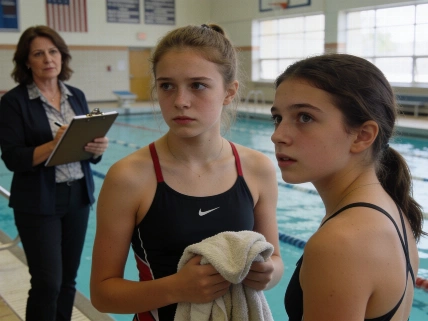
Michigan High School Faces Backlash Over Menstrual Cycle Policy
Lakeview High School in Michigan is under scrutiny after parents objected to a gym class rule requiring girls to report menstrual cycle details to make up missed swimming days, raising questions about privacy and fairness.
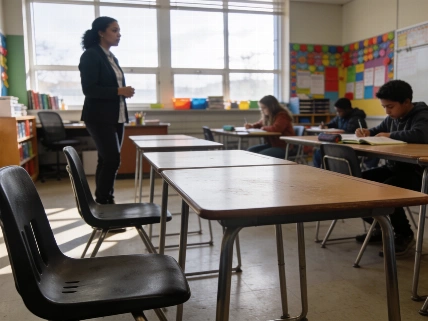
Chronic Absenteeism Still a Major Issue in Michigan Schools, Even as Rates Fall
More than a quarter of Michigan K-12 students missed at least 18 days of school last year. While chronic absenteeism has declined for the fourth year in a row, it remains a serious problem for schools and families across the state.
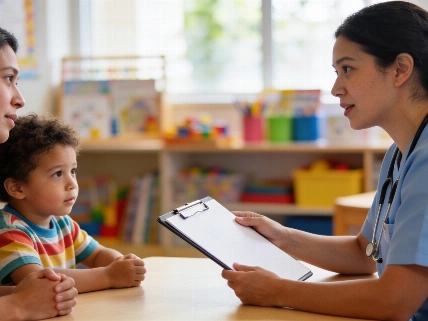
Michigan Kindergarten Vaccination Waivers Hit Decade High
Michigan's kindergarten vaccination waiver rate has climbed to 7.7 percent for 2025, the highest in a decade. Families can now check their local school's immunization data using a new online tool from Bridge Michigan.
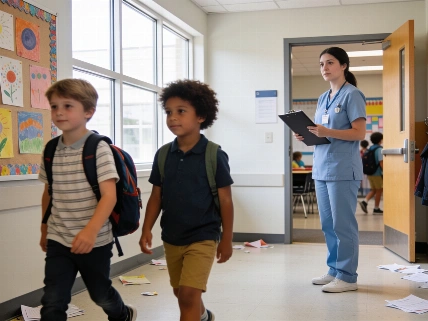
Michigan School Vaccine Exemptions Reach Highest Level in a Decade
Michigan's rate of school vaccine waivers has climbed to 7.1 percent, the highest in ten years, with nearly 25,000 students exempted in 2025. Health officials warn this trend could increase outbreaks of diseases like measles and whooping cough.
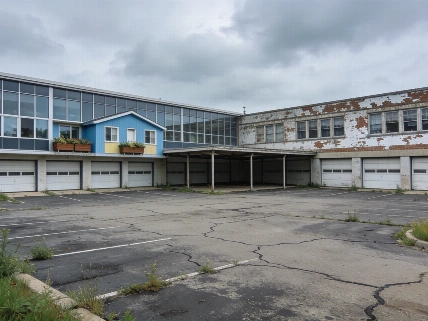
Former Gwinn School Building Listed for Sale After Partial Conversion
A 39,000-square-foot former school on the old K.I. Sawyer Air Force Base in Gwinn, Michigan is back on the market for $450,000 after partial residential redevelopment and years of work by its current owner.

Michigan Animal Agriculture Research Faces Uncertain Future Without State Funding
Michigan's $125.8 billion animal agriculture sector relies on the Michigan Alliance for Animal Agriculture for research and innovation. Farmers and industry leaders say losing this funding would threaten farm profitability and local food supply chains.
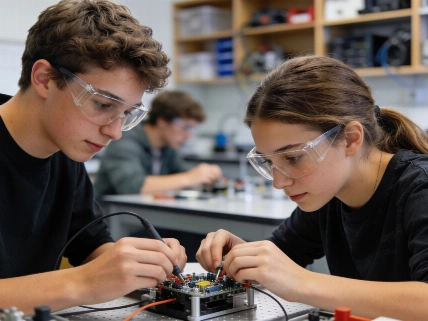
Michigan Schools Expand Career Tech as Debate Over College Value Grows
Michigan is investing millions to expand career and technical education in schools, but with most high-demand jobs still requiring a bachelor's degree, educators and policymakers are divided on how far to push the skilled trades path for students
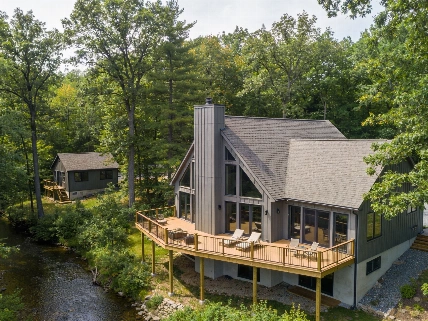
South Haven Lake Michigan Estate Lists Two Homes, Private Beach Access for $2.1M
A South Haven property with two finished homes on nearly two acres is on the market for $2.1 million. The listing includes a guest house, luxury features, and access to a private Lake Michigan beach in the Sylvan Shores neighborhood.

US Consumer Sentiment Drops as Fuel Prices and Inflation Weigh on Households
The University of Michigan's latest survey shows consumer sentiment has fallen to its second-lowest level on record, with rising fuel prices and inflation expectations driving the decline and raising the likelihood of a Federal Reserve rate hike.
