The ACLU of Michigan and its Voter Education Fund are putting $2.3 million into informing voters about civil liberties at stake in Michigan House, Senate, and Supreme Court races ahead of November.
Michigan voters will see a major push from the ACLU of Michigan and the ACLU Voter Education Fund this election season. The groups are spending $2.3 million to spotlight civil liberties in the state's most competitive legislative and Supreme Court races. Their goal is to make sure voters know where candidates stand on voting rights, reproductive freedom, and other core civil rights before heading to the polls in November. This campaign matters for people in Farmington and Farmington Hills, who are represented in several key legislative districts and vote in statewide judicial races run by the Oakland County Clerk's Elections Division.
This is one of the largest nonpartisan voter education efforts Michigan has seen in recent years. The ACLU is targeting both the Michigan House and Senate, as well as the state's Supreme Court. Their plan includes mailing voter guides and running paid digital ads to reach people in districts where the outcome could shape civil liberties across Michigan. The campaign also lines up with work by the Farmington Public Schools Board to boost civic engagement and voter awareness among students and families in the district.
Focus on key districts and the Supreme Court
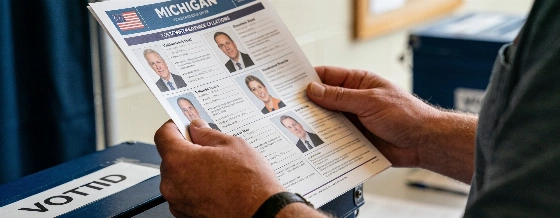
The ACLU of Michigan and its national affiliate are focusing on four Senate districts-4, 9, 13, and 30-and four House districts-27, 44, 46, and 109-where races are expected to be close. The Michigan Supreme Court race is also in the spotlight. Two seats are open, and six candidates are running for positions that will shape major legal decisions for years. The City of Farmington says local polling places will have updated voter information for these races. Supreme Court candidates-Megan Cavanagh and Noah Hood (incumbents), and Cassandra Morse-Bills and Michael D. Warren Jr. (Republican nominees)-are nominated by state parties but appear in the nonpartisan section of the November ballot, as set by Michigan's official election rules.
Of the $2.3 million total, about $1.9 million is going to select legislative races. Around $400,000 is set aside for the Supreme Court contest. The groups plan to reach voters with mailers and digital outreach, focusing on candidates' records on reproductive rights, voting access, and privacy. The City of Farmington Hills has also posted reminders about absentee ballot deadlines and early voting options for residents in these high-stakes races.
Why these races matter for civil liberties
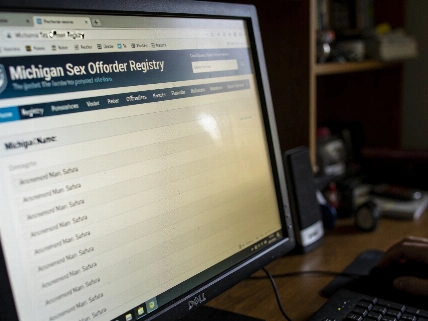
State lawmakers and Supreme Court justices have a direct hand in shaping Michigan's civil rights landscape. Their decisions can open up or restrict access to voting, reproductive healthcare, privacy, and other basic rights. The ACLU's campaign comes as Michigan voters have already shown strong support for reproductive freedom, including abortion rights, by amending the state constitution to protect them. Recent Supreme Court rulings, like the September 2026 decision limiting retroactive use of the Sex Offender Registration Act, have had immediate effects-over 20,000 people were removed from the registry without overturning convictions, according to regional news and the Michigan Supreme Court docket.
The ACLU of Michigan says its goal is to protect and build on these gains by making sure voters have clear, accessible information about each candidate's record. Political director Merissa Kovach says transparency on issues that affect people's rights and daily lives is essential. Local civic groups and the Farmington Public Schools Board have also called for strong voter education, especially as legislative oversight of the Bureau of Elections grows after the Michigan House set up a special investigative committee in August 2026.
Broader election context and next steps
This year's Michigan election could be one of the most important in recent memory. Control of the legislature and the direction of the state's highest court are both at stake. As reported earlier, statewide races are tight, making every vote and accurate information matter even more. The Oakland County administration has updated its online tools to help voters check their registration and find polling places for November.
Voters will pick two Supreme Court justices from six candidates, and the results could shape civil liberties for years. The ACLU's voter education campaign aims to give residents the facts they need to make informed choices. Michigan's system for judicial and legislative elections means even nonpartisan races can have big effects on policy and individual rights. The ACLU's investment shows the stakes are real and immediate for communities across the state. By focusing on contested districts and the Supreme Court, the group is betting that informed voters are the key to protecting and advancing civil liberties in Michigan's future.