Sixty-two percent of Michigan third graders failed to meet grade-level reading standards on the latest M-STEP exam. The results raise urgent questions about state education policy and the future of student achievement.
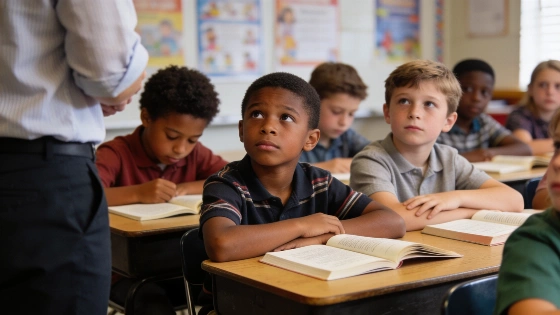
Michigan's latest M-STEP scores show a sharp drop in reading. Sixty-two percent of third graders are not reading at grade level. This is the lowest result since the test began twelve years ago. Two out of three students missed a basic academic milestone. The Michigan Department of Education reports that the share of third graders not meeting proficiency has climbed from 54.9% in 2019 to 61.1% in 2025. That's a clear decline, even compared to the years before the pandemic, as shown by The74.
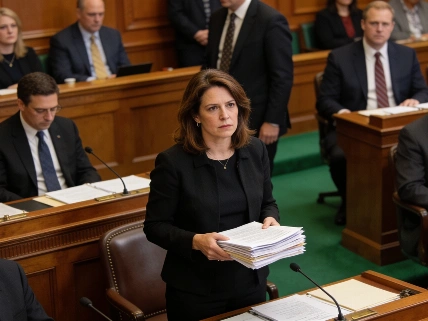
For families and teachers in Farmington and across Oakland County, these numbers are not just statistics. They point to real kids whose futures are on the line. The Farmington Public Schools board has talked about these results in recent meetings. Board members say targeted help and more community involvement are needed. State leaders and lawmakers are now under pressure. Many are questioning if Michigan's approach to reading and school accountability is working at all.
Policy changes and accountability
Michigan used to have a law that said students who could not read by the end of third grade had to get extra support instead of moving up automatically. In 2023, lawmakers dropped that rule. This removed a key way to hold schools and students accountable. Former U.S. Secretary of Education Betsy DeVos says this change left struggling students without a safety net. She points to the latest test scores as proof. The City of Farmington has also flagged the impact of state policy changes on local schools in its annual education report.
State education officials say they are working to improve results. But DeVos argues that effort alone is not enough when the numbers keep falling. Over the past ten years, reading scores have kept dropping despite new programs. The latest M-STEP data shows only about 38% of third graders are reading at grade level. That's the lowest rate in more than a decade. The rest are behind, according to Mining Journal.
Comparisons and national context
This reading crisis is not just a Michigan problem. Across the country, American 15-year-olds' reading scores on the international PISA exam have dropped to near a 25-year low. Other developed countries are seeing similar declines. Still, some states have managed to turn things around. Mississippi, for example, went from near the bottom in national rankings to the top three. They did it by using phonics-based teaching and strict accountability. Students who could not read by third grade got targeted help.
Now, states like Tennessee and Arkansas are following that model. Michigan, on the other hand, changed course. Its latest policy shift came as reading scores hit a new low. This has led to calls for a return to proven strategies and more open reporting for parents. The Michigan Department of Education has updated its literacy and dyslexia laws. As of July 2026, the state has approved four new screening and progress monitoring tools for K-3 students, including Amira ISIP Assess. These tools are meant to help districts like Farmington Public Schools spot and support struggling readers sooner.
What comes next for Michigan schools
DeVos says Michigan needs stronger science-of-reading training for teachers and a real safety net for students who are not ready to move up. She also wants the state to join the federal Education Freedom Tax Credit, which could give families more resources for other education options. Meanwhile, Michigan has announced more funding for literacy reforms in the FY27 budget. The state is putting $129.1 million into early childhood programs, $146.1 million into classroom instruction tools, and $195.6 million into targeted help like tutoring.
With the next governor and legislative elections coming up, education policy will be front and center. Voters in Farmington, Farmington Hills, and across Oakland County will get to judge candidates' plans for fixing the reading crisis and raising student achievement. Residents can check upcoming school board meetings and public hearings on the Farmington Public Schools board calendar.
Michigan's reading struggles are part of a bigger pattern. Chronic absenteeism and changing school rankings have also been reported earlier. The latest M-STEP results add new urgency to the debate over how to help students and hold schools responsible for progress. Independent reviews point out that Michigan is also debating how to balance reading reforms with math achievement. Only 35.5% of students in grades 3-8 are proficient in math, compared to 44% in literacy.
Michigan's schools are at a crossroads. The numbers are clear. The choices made by state leaders in the next few years will decide if Michigan can turn things around or keep leaving most of its students behind.