
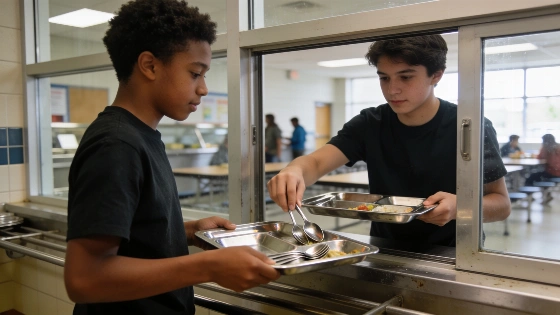
Five Michigan schools have cut out more than 440,000 single-use plastic items by switching to stainless-steel trays and utensils. The move saves thousands of dollars each year and keeps tons of waste out of landfills.
Five schools in Michigan have cut cafeteria waste and saved money by ditching disposable plastic utensils and Styrofoam trays. They now use stainless-steel trays and sporks. The Michigan Department of Environment, Great Lakes, and Energy (EGLE) says this change has already kept over 440,000 plastic items out of landfills. The schools are also seeing real savings.
Each school now saves about $3,116 a year, plus another $1,500 in hauling costs. These numbers come from EGLE. Since making the switch, the schools have kept 3,597 pounds of waste out of landfills. This shows that schools can cut costs and help the environment at the same time. The results fit with Michigan's bigger push to use less landfill space and support greener practices, as described in recent State of Michigan environmental initiatives.
How the program works
The program started with We ReUse, a national company that makes recycled stainless-steel foodware in the U.S. They gave schools a free waste audit and helped them set up the new system. GESU Catholic School and St. Suzanne in Detroit, Central Elementary in the Davison School District, Onekama High School, and New Branches Charter Academy in Grand Rapids joined the program. These schools were picked because they could wash dishes and wanted to cut cafeteria waste. We ReUse and EGLE both said that handling logistics and staffing was a key part of the selection.
The schools got stainless-steel trays and sporks, paid for by Plastic Free America. EGLE also gave a grant to make a special stainless-steel cup in Michigan, helping the move away from single-use plastics. New Branches Charter Academy alone got rid of 63,000 plastic sporks, according to We ReUse. This shows how much one school can do.
Beyond schools: Expanding reuse
The program is spreading outside of schools. The Capuchin Soup Kitchen in Detroit and Casey's Tavern in Ann Arbor now use stainless-steel cups. Casey's Tavern got help from the Michigan Business Sustainability Forum to stop using plastic cups on its patio. More Michigan groups are looking for reusable options instead of throwaway foodware. Michigan Stadium has also started using reusable cups in club zones in 2026, showing a bigger move toward reuse and less single-use plastic, as covered by local media and the Oakland County administration.
Switching to reusables took more than just buying new trays. Schools had to set up systems so students would return the trays and sporks. They also needed dishwashing equipment and enough staff. We ReUse says these details matter if you want the program to work and not lose items. School boards in places like Davison and Grand Rapids also talked about the need for good infrastructure and staff support.
Health and environmental benefits
Stainless steel does more than cut waste. Organizers say it's safer for kids. Stainless steel is tough, can be used again and again, and is recommended by the American Academy of Pediatrics as a better choice than plastic or Styrofoam, which can leach chemicals into food. Program leaders say moving away from single-use foodware helps lower the risk of students coming into contact with harmful substances. This concern has come up in recent Farmington Public Schools board meetings about student health and cafeteria safety.
The program's success depends on schools having the right setup and enough staff. Schools that can handle dishwashing and keep track of trays and utensils are more likely to make reusables work, as shown by the schools in this program.
Context and next steps
Michigan schools are still dealing with day-to-day challenges, like student attendance and managing resources. Chronic absenteeism is still a problem, as reported earlier. This makes it even more important to find solutions that help both students and school budgets. School boards in Farmington and other districts are watching these programs to see if they can help both the bottom line and the environment.
The experience of these five schools shows that with the right support, cutting cafeteria waste is possible and saves money. As more Michigan schools and groups look at making similar changes, these lessons offer a clear path for balancing environmental goals with daily needs. The results are plain: practical, reusable foodware can make a real difference for Michigan communities.