Governor Gretchen Whitmer has directed state regulators to reconsider the Line 5 tunnel permit and called on Enbridge to prepare for decommissioning the pipeline, citing risks to Michigan's water, wildlife and economy
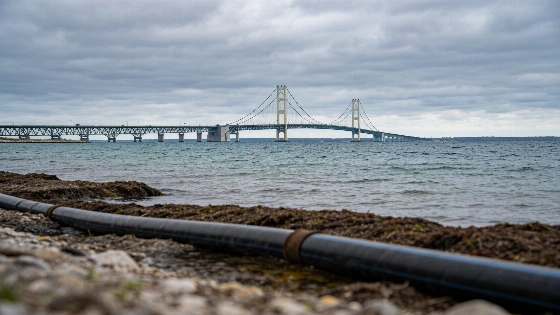
Michigan Governor Gretchen Whitmer has ordered state regulators to revisit the permit for the Line 5 tunnel project, signaling a major shift in the state's approach to the controversial oil pipeline that crosses the Straits of Mackinac. The move puts the future of Line 5 in doubt and raises the stakes for Enbridge, the Canadian energy company that operates the pipeline.
Whitmer's directive comes as concerns mount over the environmental risks posed by the aging pipeline, which transports oil and propane beneath the Great Lakes. The governor's office said the state will prioritize protecting water, wildlife and tribal resources, and called on Enbridge to develop a plan for an orderly transition to decommission Line 5.
State Action Targets Pipeline Risks
The Michigan Department of Environment, Great Lakes, and Energy (EGLE) has been instructed to reconsider its earlier approval of the tunnel permit, which would have allowed Enbridge to build a new pipeline segment beneath the lakebed. Whitmer's administration argues that the tunnel is no longer a viable solution, especially in light of recent spills and ongoing cleanup efforts in Wisconsin related to a Line 5 reroute.
Enbridge has maintained that the tunnel project would reduce the risk of a spill in the Straits, but state officials now say alternative methods for transporting oil and propane are available. According to state sources, options such as other pipelines, rail and waterborne shipping that do not cross the Great Lakes could meet Michigan's energy needs without the risks associated with Line 5.
Economic and Environmental Stakes
Line 5 currently carries up to 540,000 barrels of oil and natural gas liquids per day, supplying refineries and consumers in Michigan and neighboring states. The pipeline's future has become a flashpoint for environmental groups, tribal nations and business organizations, all of whom have raised concerns about the potential for a catastrophic spill in the Great Lakes, which supply drinking water to millions of residents.
Business leaders have acknowledged that Michigan's economy relies on stable energy supplies, but some have pointed to Enbridge's own analysis showing that alternative supply routes could replace Line 5's capacity if the pipeline is shut down. Clean energy advocates argue that the transition away from Line 5 could accelerate investment in renewable energy and create new jobs in the state.
Broader Regional Context
The debate over Line 5 is unfolding as other states in the region face their own water and energy challenges. For example, a recent report highlighted how water shortages along the Colorado River are forcing communities to rethink their long-term strategies. In Michigan, the focus remains on safeguarding the Great Lakes, which represent a critical natural and economic resource for the state and the broader Midwest.
EGLE's review of the tunnel permit is expected to include public input and further technical analysis. No timeline has been set for a final decision, but the governor's office has made clear that Enbridge must begin preparing for the possibility of decommissioning Line 5. The outcome will affect not only energy markets but also the future of environmental protection in the region.
Michigan's regulatory process for major infrastructure projects typically involves multiple rounds of review, public comment and coordination with federal agencies. The Line 5 case has drawn national attention due to the scale of the Great Lakes and the potential consequences of a spill. The state's decision to revisit the tunnel permit underscores the growing pressure on energy companies to address environmental risks and adapt to changing policy priorities.