A new federal plan to reduce Colorado River water use is forcing Arizona towns and farmers to reconsider their future, as reservoirs hit record lows and legal battles intensify over shrinking supplies
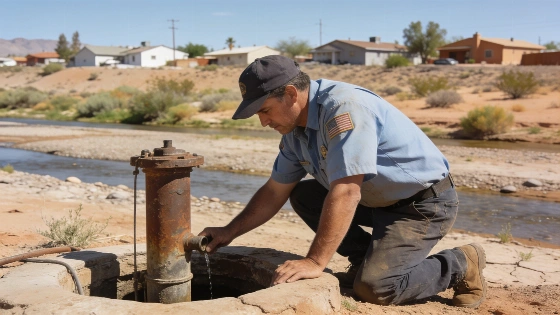
Communities across the U.S. West are bracing for more water restrictions as a new federal plan aims to cut usage from the severely depleted Colorado River. In Cave Creek, Arizona, a town of about 5,000 near Phoenix, officials have already capped growth, revived old wells, and negotiated water deals. Yet Mayor Robert Morris says these steps may not be enough to secure the town's future, as nearly all of its water comes from the Colorado River, which continues to shrink due to climate change, high demand, and overuse.
The latest federal proposal requires California, Nevada, and Arizona to collectively reduce their Colorado River water use by 1.25 million acre-feet annually over the next two years-enough to fill more than 600,000 Olympic-sized swimming pools. The cuts could grow if drought conditions persist. Meanwhile, Colorado, Utah, Wyoming, and New Mexico are not required to make reductions but may do so voluntarily.
Impact on Cities and Farmers
The uncertainty is affecting decisions across seven states, tribal nations, and Mexico. In Arizona, Phoenix could lose some municipal and industrial water for the first time, forcing the city to rely on backup supplies and potentially raising costs for residents. Farmers are also weighing which crops to plant, with some leaving fields fallow due to the unpredictable water outlook.
In Yuma, Arizona, which produces about 90% of North America's winter leafy greens, farmers with high-priority water rights may avoid immediate cuts but remain hesitant to invest in new crops. John Boelts, president of the Arizona Farm Bureau, notes that long-term planning is difficult when water supplies are uncertain. On the Colorado River Indian Tribes reservation, aging infrastructure and limited irrigation capacity mean that even with large water rights, not all water can be used for crops.
Legal Challenges and Record-Low Reservoirs
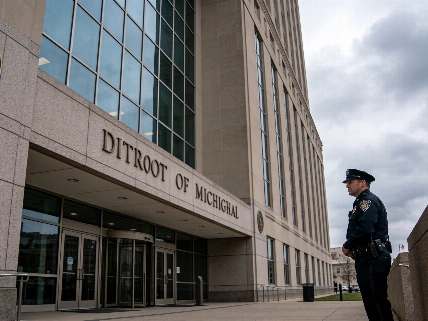
This week, Nevada escalated the situation by suing the U.S. Department of the Interior and the Bureau of Reclamation, arguing that planned reductions of up to 70% over the next decade could leave Las Vegas unable to meet basic needs. The Bureau of Reclamation declined to comment on the litigation.
Reservoirs across the West are at historic lows. Lake Mead and Lake Powell, the two largest in the country, both hit record lows this month. Eight other reservoirs managed by the Bureau of Reclamation, including Elephant Butte Lake in New Mexico and Guernsey Reservoir in Wyoming, have also reached their lowest levels in at least 30 years. A record snow drought has left less water to replenish these critical sources.
Looking Ahead
While weather patterns like El Niño could bring some relief in the coming months, experts caution that decades of drought cannot be reversed quickly. David Mocko, a senior research scientist who contributed to a recent U.S. Drought Monitor map, emphasized that droughts develop and recede slowly, making recovery uncertain.
As communities adapt to these changes, some are looking to data-driven approaches and regional cooperation to manage water and climate risks. For example, local governments are increasingly using external datasets and local expertise to strengthen infrastructure resilience, as highlighted in a recent Farmington Voice report on climate risk strategies.
The Colorado River crisis underscores the challenges facing Western towns, cities, and farms as they navigate shrinking water supplies, legal disputes, and the need for long-term adaptation. The next two years will be critical as the region tests new strategies to secure water for millions of residents and vital agricultural production.