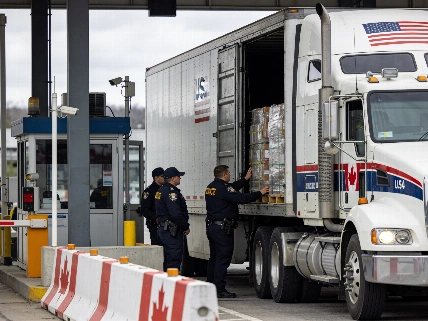
The United States and Canada have imposed new tariffs on each other's goods, escalating a trade dispute that could impact $20 billion in imports and key industries. Both governments say they are prepared for further action if negotiations fail.
The longstanding trade relationship between the United States and Canada is under strain as both countries have imposed steep new tariffs on each other's goods. The dispute, which escalated in recent days, now threatens to disrupt one of the world's largest trading partnerships and create uncertainty for businesses on both sides of the border.
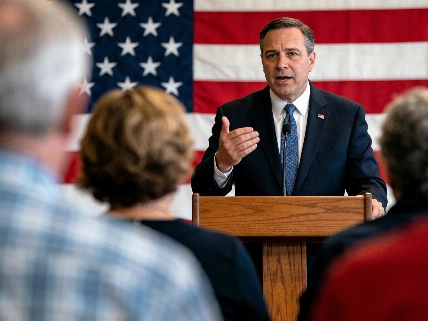
On Tuesday, Canadian Prime Minister Mark Carney announced retaliatory tariffs on approximately $20 billion worth of American imports, including steel, dairy products, appliances, and farm equipment. This move came in response to the United States imposing 50% tariffs on certain Canadian goods, a decision made by President Donald Trump. The Canadian tariffs are scheduled to take effect on September 8, giving both countries a short window to negotiate a resolution.
Escalating Tensions and Economic Impact
Ontario Premier Doug Ford indicated that his province could take further steps, such as halting shipments of electricity and critical minerals to the United States, if the dispute continues. President Trump, meanwhile, has threatened additional tariffs targeting the Canadian auto industry if Canada does not agree to U.S. demands. These actions have raised concerns among experts and business leaders about the potential for a broader trade war.
According to Oxford Economics, the current tariffs affect about 5% of Canada's exports to the United States and are expected to reduce Canadian economic growth only slightly next year, from a projected 1.6% to 1.4%. The United States and Canada conducted $880 billion in trade last year, with Canada sending 72% of its exports south of the border. Many U.S. communities rely on Canadian electricity, fertilizer, and oil, while American farmers and manufacturers depend on access to Canadian markets.
Negotiations and Political Stakes
Despite the heated rhetoric, analysts believe there is still time for both countries to reach a compromise. The U.S. tariffs were imposed using a rarely used provision of a Depression-era trade law, allowing for up to 50% tariffs on imports from countries deemed to have discriminated against U.S. businesses. The Canadian government has signaled it is unwilling to accept a one-sided deal, especially as public sentiment in Canada has hardened against further concessions to the United States.
Negotiations nearly produced an agreement last week, with the U.S. offering to reduce tariffs on Canadian steel, aluminum, autos, and softwood lumber. However, talks broke down when Canadian officials objected to U.S. demands that would have given Washington veto power over Canadian trade deals with other countries. The breakdown has left both sides facing economic and political pressure, particularly with the U.S. midterm elections approaching and voters expressing frustration over the cost of living.
What Happens Next
While the new tariffs are set to take effect in the coming weeks, there remains a possibility for a negotiated settlement. Some experts suggest that trusted intermediaries could help restart talks, as happened during the negotiation of the United States-Mexico-Canada Agreement (USMCA) eight years ago. For now, businesses and workers in both countries are bracing for continued uncertainty as leaders weigh their next moves.
The U.S.-Canada trade relationship has weathered disputes in the past, including disagreements over dairy, lumber, and other sectors. The current standoff highlights the complex economic ties between the two countries and the challenges of balancing domestic political pressures with the need for stable cross-border commerce.
Trade negotiations between the United States and Canada often involve multiple rounds of talks and periods of heightened tension before a resolution is reached. Both governments have used tariffs as leverage in the past, but the scale and scope of the current dispute are unusual. The coming weeks will be critical as officials seek to avoid further escalation and limit the impact on businesses and consumers.