
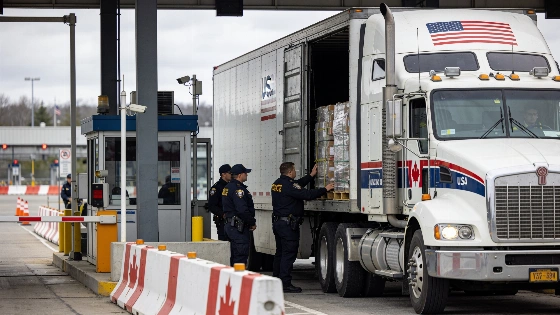
Canada has enacted retaliatory tariffs on a wide range of American products valued at $20 billion, escalating a trade conflict with the United States and raising concerns for businesses and consumers ahead of the U.S. midterm elections.
Canada has implemented new tariffs on approximately $20 billion worth of American imports, intensifying a trade dispute with the United States that threatens to disrupt one of the world's largest cross-border trading relationships. The tariffs, which took effect Tuesday, target a broad array of goods including steel, dairy products, appliances, and farm equipment.
The move comes in response to earlier U.S. trade actions and marks a significant escalation between the two neighboring countries. Canadian officials say the tariffs are intended to defend national economic interests after the U.S. imposed its own duties on Canadian products. The dispute has placed additional strain on the longstanding alliance between the two nations.
Wide Range of Products Affected
The Canadian tariffs extend beyond industrial materials, impacting everyday consumer items such as seafood, cheese, clothing, cosmetics, and toilet paper. Some of these products now face duties as high as 50 percent, which could lead to higher prices for American exporters and Canadian consumers alike. The affected goods represent a substantial portion of U.S. exports to Canada, a key market for many American businesses.
With the tariffs in place, U.S. companies that rely on Canadian buyers may see reduced demand, while Canadian importers and retailers could face increased costs. The timing of the tariffs, less than three months before the U.S. midterm elections, adds political pressure as both countries navigate the economic fallout.
Potential Impact on Businesses and Consumers
Industry groups and economic analysts warn that the ongoing trade conflict could raise costs for manufacturers, retailers, and consumers on both sides of the border. American businesses exporting to Canada may experience decreased sales, while Canadian companies could pass higher import costs on to shoppers. The tariffs also affect sectors such as agriculture and manufacturing, which are closely linked between the two countries.
According to Canadian officials, the decision to impose tariffs was not taken lightly. Finance Minister François-Philippe Champagne described the situation as an "unprecedented challenge imposed on Canada," emphasizing that the country did not seek out the conflict but felt compelled to respond to U.S. trade measures.
Background and Next Steps
The Canada-U.S. trade relationship is one of the largest in the world, with billions of dollars in goods and services crossing the border daily. The current dispute began after the United States introduced tariffs on Canadian steel and aluminum, prompting Canada's retaliatory response. Both governments have indicated a willingness to negotiate, but no resolution has been reached.
As the trade dispute continues, businesses and consumers in both countries are advised to monitor developments closely. Further negotiations or additional trade actions could alter the situation in the coming months, especially as political and economic pressures mount ahead of key elections in the United States.
Canada's tariff measures are administered by federal trade authorities and are subject to ongoing review. The government has stated that it will adjust its approach as needed based on future U.S. actions and the outcome of any negotiations.