Meta will pay up to $17.1 billion to 47 states and U.S. territories over claims its platforms are addictive and harmful to children, with new safety rules for young users on Facebook and Instagram set to take effect over the next decade.
Meta, the parent company of Facebook and Instagram, has reached a settlement with 47 states, the District of Columbia, and several U.S. territories, agreeing to pay up to $17.1 billion in penalties related to allegations that its social media platforms are addictive and pose risks to children. The agreement, announced Wednesday, also requires Meta to implement new safety measures for young users on its platforms.
The settlement follows a lawsuit filed in 2023, in which states accused Meta of intentionally designing addictive features, exposing children to mental health risks, and misleading the public about the safety of its products. While Meta has not admitted wrongdoing, the company has committed to significant changes aimed at reducing the time young people spend on Facebook and Instagram.
New Safety Measures for Young Users
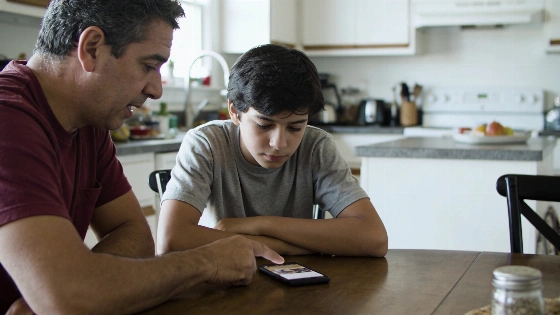
Under the terms of the settlement, Meta will introduce several new features for users under 18, including daily time limits, automatic pauses, and nighttime restrictions that block access from midnight to 6 a.m. The company will also strengthen protections against bullying and harmful content. Most of these changes must remain in place for at least ten years.
However, Meta has stated that the strictest daily time limits for teens will only be enforced if competitors TikTok and YouTube agree to adopt similar rules. If those companies do not participate, Meta will pay out 70% of the settlement funds-about $12.7 billion-to the states. The remaining 30%, or $5.3 billion, will be paid if TikTok and YouTube also implement comparable measures and each agrees to pay states about $5.3 billion.
Settlement Details and State Participation
The settlement is being described by state officials as the largest consumer protection agreement since the tobacco settlements of the 1990s. Payments to states and territories will be distributed annually over a decade, based on population.
Three states-Florida, New Mexico, and Texas-are not part of the agreement. New Mexico previously won a separate lawsuit against Meta, resulting in a $375 million jury award. Texas negotiated its own settlement, which includes a $1 billion payout and additional safety commitments from Meta.
Ongoing Concerns and Next Steps
While many officials have praised the settlement as a step forward for child safety online, some civil rights advocates have raised concerns about privacy and free expression. Critics warn that the new age verification and content restrictions could impact all users, not just minors.
Meta and other social media companies still face thousands of lawsuits from individuals and school districts nationwide, alleging that their platforms use addictive algorithms and fail to protect young users. Among these is a case brought by a South Carolina lawmaker whose son died by suicide after being targeted by a scammer on Instagram.
The new safety measures are expected to be rolled out over the coming months, with ongoing oversight to ensure compliance. State officials say the agreement could set a precedent for industry-wide reforms if other major platforms follow suit.
The settlement highlights the growing role of state attorneys general in regulating technology companies and protecting young users online. As the implementation process begins, families and schools across the country will be watching to see how these changes affect the digital experiences of children and teens.