
Tariffs
3 storiesTariffs are customs duties imposed on imported goods and used as an instrument of federal trade policy. They can alter the cost of products and industrial inputs, affect import decisions, trigger retaliatory measures and change competitive conditions for manufacturers and consumers. For Michigan, the subject is especially relevant when trade measures reach autos, parts, machinery or other supply chains tied to the state economy. Farmington Voice coverage may examine tariff schedules, exemptions, enforcement or price effects, while keeping the broader tariff concept distinct from Auto Tariffs and from taxes imposed on domestic income or sales.

G20 Finance Leaders Meet in Asheville Amid U.S. Tariff and Iran Tensions
Treasury Secretary Scott Bessent is hosting G20 finance ministers in Asheville, North Carolina, as the U.S. seeks support on Iran and faces strained trade relations with key allies. The meetings follow renewed hostilities and recent hurricane recovery efforts.
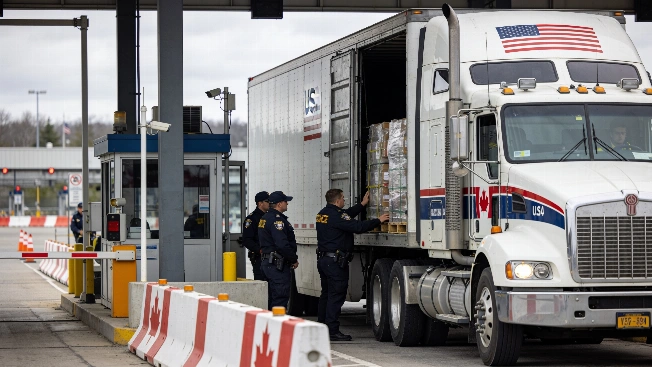
Canada Imposes $20 Billion in Tariffs on U.S. Goods Amid Trade Dispute
Canada has enacted retaliatory tariffs on a wide range of American products valued at $20 billion, escalating a trade conflict with the United States and raising concerns for businesses and consumers ahead of the U.S. midterm elections.

US-Canada Trade Dispute Raises Tariffs and Uncertainty for Businesses
The United States and Canada have imposed new tariffs on each other's goods, escalating a trade dispute that could impact $20 billion in imports and key industries. Both governments say they are prepared for further action if negotiations fail.