Michigan's $40 trillion national debt burden is forcing rural communities to make tough choices as interest payments crowd out funding for bridges, broadband and hospitals. Local leaders warn that essential projects may be delayed or cut as federal dollars shrink.
As the U.S. national debt passed $40 trillion in August 2026, rural communities across Michigan are facing tighter budgets. The federal government's annual interest payments reached about $1.17 trillion by early September, up more than 15% from the previous year. Some estimates now put the yearly interest cost near $1.2 trillion. This rapid increase, confirmed by the Congressional Budget Office and reported by Reuters and others, is making it harder to fund local projects like bridge repairs, broadband expansion, and hospital support (Reuters).
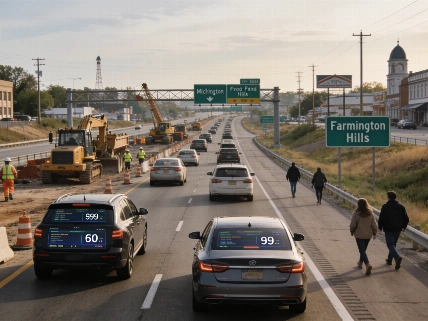
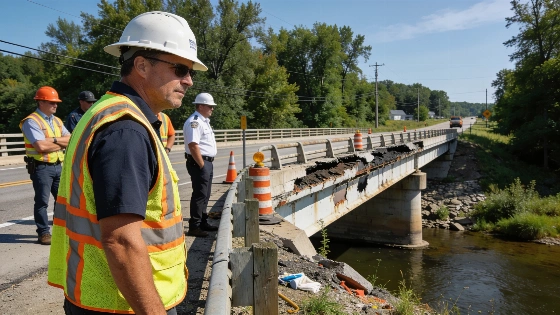
In Benzie County, the Reynolds Road bridge over the Betsie River was recently replaced, but only because pandemic-relief funds allowed the county to combine it with other rural projects. The bridge cost $2-3 million, a large share of the county road commission's $8 million annual budget. Without extra federal help, many small communities would not be able to afford these upgrades. The City of Farmington and nearby Farmington Hills have faced similar problems. Local officials say federal grants are now more competitive and often fall short of what's needed for infrastructure.
Federal spending shifts and local impact
Michigan has received targeted federal support, including a $1.6 billion broadband program for underserved areas. But as more of the federal budget goes to interest payments, future projects are at risk. Local officials worry that the next bridge replacement, broadband expansion, or emergency response may not get the same level of help. The Farmington City Council has discussed these concerns in recent meetings, stressing the need to carefully prioritize local projects.
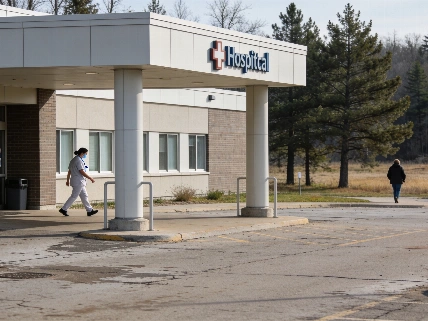
Healthcare access is also under pressure. Sturgis Hospital in St. Joseph County closed after more than a century, citing years of declining reimbursement and rising costs. The closure isn't only about federal debt, but it shows how vulnerable rural hospitals are. National reporting tied to the 2026 federal budget confirms that Medicaid and Medicare spending pressures, along with high interest costs, are squeezing rural providers. Michigan received $173 million in the first year of a new Rural Health Transformation Program, but this help is temporary and much smaller than the projected Medicaid cuts. The Oakland County Health Division has warned that more cuts could affect emergency and preventive care for thousands of residents.
Choices narrow for rural communities
Rural areas often lack the financial and political clout to absorb funding cuts. When a rural hospital closes, the next closest option may be several counties away, creating real hardship. The same is true for infrastructure: local budgets are usually too small to cover major repairs or upgrades without federal support. Farmington Public Schools, for example, have relied on a mix of state and federal funding to maintain buildings and expand technology, but future upgrades may be delayed if federal dollars keep shrinking.
Congress and the president decide how much to tax, spend, and borrow, but as interest payments take up more of the budget, there's less room for discretionary spending. This leaves communities like Grand Marais, Sturgis, and Benzie County with fewer options and more uncertainty about the future of their roads, hospitals, and internet access.
Long-term consequences and public responsibility
The debt has built up over decades of tax cuts, spending increases, wars, emergency measures, and entitlement promises from both parties. Politicians have often claimed that growth or efficiency would avoid tough choices, but the gap remains. As of September 2026, 10-year Treasury yields briefly rose above 5%, highlighting the higher borrowing costs now facing local and state governments (Reuters).
Voters also play a part. Many say they want fiscal discipline, but few reward candidates who talk about real trade-offs. Resistance to higher taxes or cuts to valued programs has made it hard for leaders to match expectations with reality. As a result, the nation's ability to respond to emergencies, invest in struggling communities, or maintain basic services is slowly eroding.
Michigan's situation is not unique. As reported in a recent analysis, even well-meaning infrastructure expansions can leave gaps when funding is limited or priorities change. The growing cost of interest payments threatens to make these gaps permanent, especially in places least able to make up for lost federal support.
For Michigan's rural towns and counties, the reality is clear: unless voters and leaders are willing to make difficult fiscal decisions, the rising national debt will keep narrowing the options for future investment. The math is unavoidable, and the effects are already showing up in the roads, hospitals, and services that communities depend on every day.