The Kirk Gibson Center for Parkinson's Wellness is seeking $30 million to expand its free programs in Farmington Hills. Membership has already passed the center's early forecast, and the organization expects demand to keep growing.
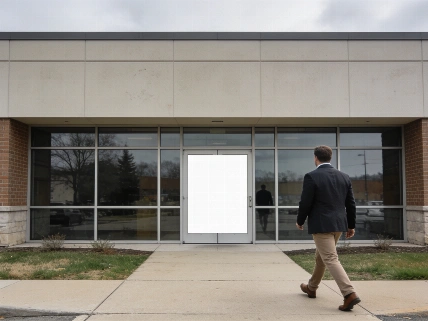
The Kirk Gibson Center for Parkinson's Wellness opened in October 2025 at 31440 Northwestern Highway in Farmington Hills. It now reports more than 1,200 members and expects that number to pass 1,500 by the end of 2026.
The center says it has raised $15.5 million for its Inspiring Hope campaign and is seeking $30 million in total. Those fundraising and membership figures come from the organization's campaign materials. An independent update confirms the opening and the continued free-program model, but it does not independently verify the reported fundraising total.
An Hour Detroit update described the center's first year as successful. The facility serves people with Parkinson's disease as well as people with other movement disorders.
Membership has passed the early forecast
The center had expected to reach 800 members by the end of 2026. It has already moved past that figure, and the organization expects participation to nearly double again over the next several years. The campaign is meant to help the center scale up without ending the no-cost access offered since its launch.
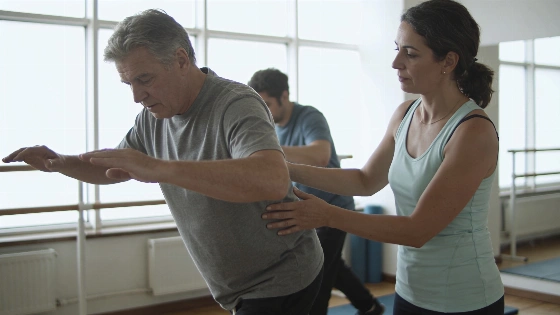
The Kirk Gibson Center said the rapid enrollment shows demand for programs designed specifically for people living with Parkinson's disease. Its schedule combines movement activities with education about cognitive health, professional guidance, social connection and ongoing wellness support.
Parkinson's patients were the center's original focus, but its first-year service population also included people with progressive supranuclear palsy, Lewy body dementia, corticobasal degeneration and multiple system atrophy. That wider reach matters to residents of Farmington Hills, the City of Farmington and Oakland County who need specialized support for movement disorders beyond Parkinson's disease.
Members pay nothing for the programs. The center helps participants stay active and independent, while families receive information, practical support and contact with a community familiar with movement disorders. The facility is a nonprofit wellness center created through the Kirk Gibson Foundation for Parkinson's. It is not a government medical center, a Farmington Public Schools program or a State of Michigan departmental facility.
Parkinson's disease can affect movement, balance, cognition, independence and quality of life. The center focuses on regular wellness programming rather than relying only on clinical treatment. Members can keep coming back for services and community support instead of receiving only a one-time medical consultation.
What the campaign would fund
The $30 million campaign would increase the center's capacity without giving up the individualized experience members receive now. More members would mean greater demand for programs, services and infrastructure as additional people and families seek access.
Center leaders say the campaign is about more than adding classes or enlarging the building. The planned funding would support the organization's mission for the next decade. It would also build a long-term financial structure based on annual fundraising and a future endowment.
The center has already shown that people want the service. Its membership has moved well beyond the original projection. The next task is to expand carefully enough to serve thousands more people without cutting back the guidance and personal attention members currently receive.
Residents seeking basic municipal information about the Farmington Hills location can use the City of Farmington Hills portal. The center is operated by the Kirk Gibson Foundation and is not a city-run service.
Early member results
The center said members who completed six-month and one-year reassessments reported better function and confidence, stronger social connections and greater hope about managing daily life with Parkinson's disease.
The organization reported those findings. They are not presented as the results of a formal clinical study in the campaign announcement. They still give the center an early view of how members experience the programs as participation grows.
Mary Lynn Foster, CEO of the Kirk Gibson Center for Parkinson's Wellness, said members show what can happen when people with Parkinson's have access to disease-specific programs, expert guidance and a supportive community. She said the campaign would help the center reach more people earlier and keep the work going over the long term.
From foundation to center
The Kirk Gibson Foundation for Parkinson's was established after former professional baseball player and Detroit Tigers standout Kirk Gibson was diagnosed with Parkinson's disease in 2015. The foundation focuses on improving quality of life through activity-based programs.
That mission led to the center's opening in October 2025 at 31440 Northwestern Highway. The organization describes it as the first Michigan facility of its kind focused on Parkinson's-specific wellness programming at no cost to participants.
The location gives the campaign a direct local purpose. This is not a proposal for a distant research project or a short-term awareness effort. It would fund the next decade of operations at a facility that is already open and serving more members than expected.
A long-term access question
Steve Annear, CEO of the Kirk Gibson Foundation, said the campaign should be viewed as an investment in the health, independence, resilience and hope of the Parkinson's community. He said the organization must grow carefully so members continue to receive the experience that defines the center.
The financial goal is large, but the immediate need is clear. The center reports faster growth than planned and needs more money to keep free services available as enrollment rises. Annual fundraising and a future endowment would spread the funding base beyond the launch phase of philanthropy.
For Farmington Hills and the wider Oakland County movement-disorder community, the campaign shifts the focus from opening a new program to sustaining one that has quickly attracted more members than expected. Demand is already established. The fundraising effort will determine how broadly the center can respond while protecting its free, individualized access.