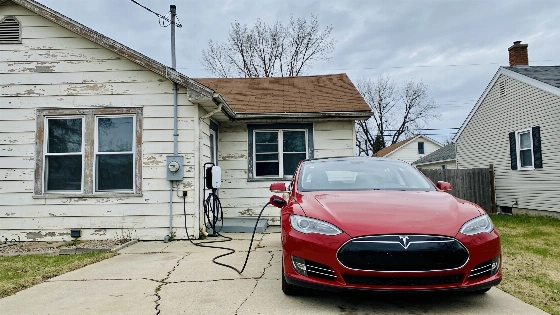
Michigan is rapidly adding electric vehicle charging stations but a new study finds that many low income households remain unable to benefit from the transition due to affordability and home infrastructure barriers
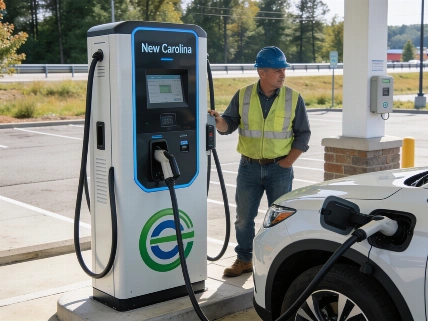
Michigan's push to build out electric vehicle charging stations is moving fast, but a new study reveals that the state's most vulnerable residents are still being left out of the electric mobility revolution. Despite a surge in public charging infrastructure, many low income households face barriers that make owning and operating an electric vehicle out of reach.
Researchers from the University of Wisconsin-Madison analyzed 76 state and federal policies related to electric vehicles in Michigan between summer 2024 and summer 2025. Their findings show that while Michigan's policies prioritize expanding charging networks and boosting EV adoption, they offer little direct support for low income families who want to participate in the transition.
Affordability and Home Charging Gaps
The study, led by Vincent Edache Idoko and Chelsea Schelly, found that most state incentives focus on reducing the upfront cost of electric vehicles or building public charging stations. However, these measures do not address the hidden costs that come with EV ownership-especially the need for home charging readiness. Many Michigan homes, particularly older ones, require expensive electrical upgrades before a resident can safely charge an EV at home. For families already struggling with high energy bills, these extra costs can be prohibitive.
According to the research, the gap between formal access to charging infrastructure and the real ability to use it is especially wide for low income households. While public charging stations are more visible than ever, the majority of EV owners still rely on home charging for daily use. Without targeted programs to help with home upgrades or to offset ongoing energy costs, the benefits of Michigan's EV expansion remain out of reach for many.
Policy Focus Misses Equity Goals
The research team reviewed policy documents, EV adoption data, household income statistics, and regional differences across Michigan. They found that while the state's official goals include an equitable energy transition, most enacted policies do not directly address affordability or access for disadvantaged communities. Instead, the bulk of support is funneled toward infrastructure and vehicle purchase incentives that primarily benefit those who already have the means to participate.
"Access to an electric vehicle is not just the ability to buy a vehicle. It is access to the entire system that makes using that technology possible," said Chelsea Schelly, one of the study's authors, in the report. The researchers argue that without addressing home charging readiness and the specific needs of low income residents, Michigan's EV policies risk deepening existing inequalities.
Broader Impacts and Next Steps
The study does not suggest that every Michigan resident should own an electric vehicle. Instead, it calls for policymakers to align their actions with the state's stated equity goals by designing programs that help low income households overcome the practical barriers to EV adoption. This could include grants for home electrical upgrades, targeted rebates, or expanded support for renters and residents of multi-unit buildings.
Michigan's EV infrastructure boom is a visible sign of progress, but the benefits are not being shared equally. As the state continues to invest in electric transportation, the challenge will be ensuring that the transition does not leave the most vulnerable residents behind. Without concrete action to address affordability and home charging barriers, the promise of a cleaner, more equitable transportation future will remain out of reach for many Michigan families.
Context for Residents
Michigan's EV policies are shaped by both state and federal initiatives, with funding often tied to infrastructure projects and vehicle incentives. The Michigan Department of Environment, Great Lakes, and Energy, along with federal agencies like the U.S. Department of Energy, play key roles in setting priorities and distributing resources. Residents interested in EV adoption should review available programs carefully, as eligibility and support levels can vary widely depending on income, housing type, and location.