A new national survey shows nearly half of Americans oppose new data centers in their neighborhoods, with concerns over energy, water use, and AI growth driving resistance. Support for other developments remains much higher.
Data centers have become the least favored type of new development among Americans, according to a recent national survey that highlights growing public resistance to these facilities. The joint poll, conducted by the Information Technology and Innovation Foundation and consulting group Public First, found that only 26% of respondents would support a new data center in their community, while 46% would oppose it. This places data centers well behind other projects such as new housing, roads, and even power plants in terms of public support.
The survey presented participants with ten types of potential developments. New housing received the highest support at 58%, followed by roads or highways at 48%, and solar farms at 47%. Even new power plants or electrical infrastructure were more popular, with 35% support. Notably, 49% of those surveyed said they would prefer to leave nearby land undeveloped rather than see a data center built, even if no other viable use existed for the property.
Community Concerns and Policy Responses
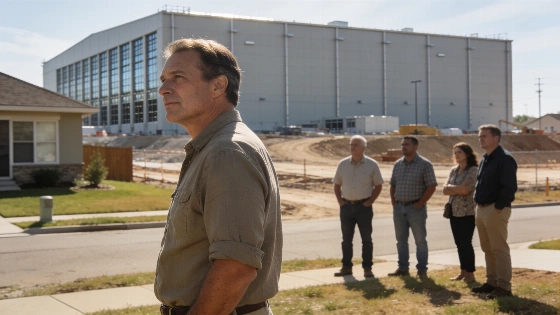
Opposition to data centers has intensified as these facilities have become more visible in local debates across the United States. Residents have raised concerns about increased electricity and water usage, noise, and potential impacts on local utility rates. These worries have led to policy responses in many areas, including moratoriums, new legislation, and development agreements aimed at regulating or slowing the construction of new data centers.
Survey organizers noted that the backlash is not solely about environmental or utility concerns. According to Seb Wride, head of research and insights at Public First, the rapid growth of artificial intelligence-and the role data centers play in supporting AI-has contributed to public unease. Wride explained that developers now face not just local resistance to large buildings, but also broader anxieties about the pace of AI adoption.
National and International Perspectives
The survey found that the depth of opposition to data centers is currently a uniquely American phenomenon. In contrast, countries such as Nigeria, Vietnam, India, and Indonesia showed strong support for building more data centers. The poll also revealed a significant increase in the number of Americans who believe data centers raise electricity bills, deplete water supplies, and harm the environment, with these concerns growing notably between January and July of this year.
During a webinar hosted by ITIF, experts emphasized the need for the data center industry to improve its relationship with local communities. Jarrett Catlin, a policy advisor at TechNet, said that building public trust will be essential for future projects, especially as industry leaders seek to demonstrate their commitments to responsible power and water use.
Political and Policy Implications
Data centers have also become a topic in political campaigns, with candidates in states like Wisconsin and Pennsylvania airing ads criticizing opponents for supporting new facilities. The survey found broad support for several potential statewide policies, including requiring data centers to pay full electricity costs, funding new infrastructure, and giving local residents a binding vote on proposed projects. Temporary moratoriums, repealing state tax breaks, and setting minimum distances between data centers and homes or schools also received strong backing. A permanent statewide ban on data centers was less popular but still had a net approval of +20.
Supporters of data centers argue that these facilities are essential for the United States to remain competitive in artificial intelligence and technology. Daniel Castro, president of ITIF, compared data centers to highways for the automobile era, warning that blocking their development could limit investment, opportunities, and national security in the long run.
As local governments and residents continue to debate the future of data centers, the issue reflects broader questions about infrastructure, technology, and community priorities. For more on how local governments are navigating data and technology challenges, see this report on how agencies are using data to address climate risks.
While the debate over data centers is likely to continue, the survey results suggest that developers and policymakers will need to address both practical concerns and deeper public anxieties as they plan for future growth.