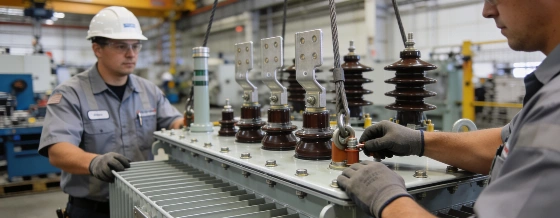
GM will install IONATE's Hybrid Intelligent Transformer at its Romulus facility. The goal: better power quality and stronger energy resilience as the plant's electricity needs grow.
General Motors is getting ready to put a new Hybrid Intelligent Transformer system into its Romulus, Michigan plant. This will be the first time IONATE's grid technology is used in the U.S. GM wants real-time control over power quality and energy use as it ramps up production at the 900,000-square-foot site. The plant sits in Wayne County and is managed under the City of Romulus and regional planning rules.
The Romulus plant builds 10-speed transmissions for GM's full-size trucks and SUVs. It recently got a $300 million boost to increase output. Industry reports now show GM has set aside up to $340 million for gas-car operations in Romulus and Toledo. This is part of a bigger push to grow and modernize GM's powertrain manufacturing in southeast Michigan. The investment fits with the City of Romulus's economic development plans and supports local jobs, as shown in recent City Council records.
With IONATE's Hybrid Intelligent Transformer-called HIT-GM expects to get sub-millisecond data on its electricity. This should help spot and fix power-flow problems before they hit production or the wider grid. But independent industry coverage says the 3 MVA IEEE-standard units are still being built and tested. The Romulus plant has not yet finished installation, according to Reuters and Industrial Briefs.
How the technology works
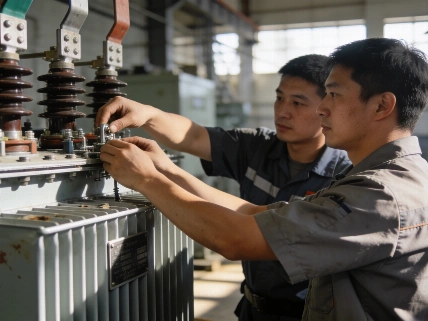
IONATE's HIT system updates the old transformer by adding real-time sensors and active controls to the usual transformer setup. The HIT sits between the grid and the plant's electrical load. It watches power conditions and can spot, study, and react to problems as they happen. IONATE says the system runs at over 99% efficiency and works with current substations and industrial setups. This means less need for big upgrades or long shutdowns. These numbers come from the company and have not yet been checked by outside testers, as noted in Industrial Briefs.
The system runs on IONATE's Aurora software, which manages each HIT as a control point. When more units are added, Aurora can sync their actions to boost capacity, power quality, and grid resilience. IONATE claims typical setups can handle 33% more distributed energy, move 25% more electricity without new poles or wires, and cut wasted power by about 6%. These claims still need outside confirmation.
Addressing grid challenges
This project comes as factories and AI-driven demand put more strain on Michigan's aging grid. The State of Michigan's Department of Environment, Great Lakes, and Energy has called for grid upgrades in recent public hearings. Local school districts like Farmington Public Schools have also talked about energy resilience in board meetings as part of community planning.
IONATE says electricity needs have gotten more complex, but much of the grid's core tech is decades old. By adding smart, active control at the transformer, the company wants to help manufacturers, data centers, and grid operators handle higher demand without waiting for big utility upgrades. GM and IONATE engineers have worked together on this project. The U.S.-standard 3 MVA IEEE units are finishing build and testing before installation. Both companies plan to work together on the first rollout. If things go well in Romulus, they may bring the technology to other GM sites.
Potential impact for industry
GM is one of the first U.S. manufacturers to try IONATE's smart grid tech. The company expects the system to make the Romulus plant more resilient, efficient, and reliable. IONATE sees this as a possible model for other manufacturers and data centers facing grid limits. The Romulus project follows IONATE's work on European grids and marks its entry into the U.S. industrial market. As manufacturers look for ways to boost electrical capacity and reliability without rebuilding everything, the results here could shape future smart grid investments.
Michigan's energy sector is changing fast as demand rises. New ideas for grid upgrades and power generation are on the table. For example, as reported earlier, Michigan engineers are looking at advanced nuclear reactor projects to meet growing electricity needs. Residents and businesses can track updates on local energy projects and public hearings through the Oakland County energy programs portal.
Understanding the process
IONATE's Hybrid Intelligent Transformer is built to fit into current industrial and utility setups, so installation causes less disruption. The Aurora software lets each HIT device work as part of a network, making it easier to scale up grid improvements. This could give manufacturers and utilities a practical way to meet rising power needs without the long waits and costs of traditional upgrades. Community members who want to know more about how these projects affect local infrastructure and emergency planning can check Farmington Public Schools board minutes and City of Farmington public notices for related updates.