
Data Center Power Demand
8 stories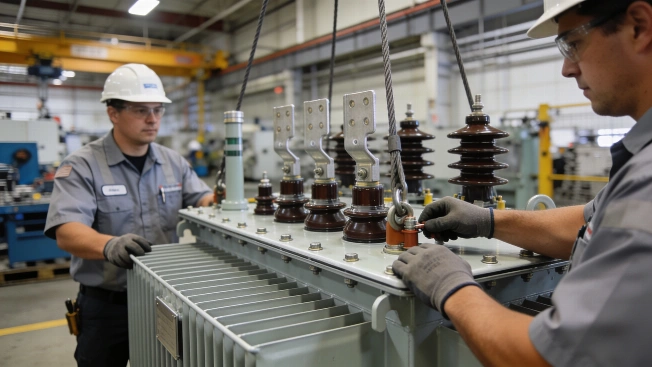
General Motors to bring smart transformer tech to Romulus plant
GM will install IONATE's Hybrid Intelligent Transformer at its Romulus facility. The goal: better power quality and stronger energy resilience as the plant's electricity needs grow.
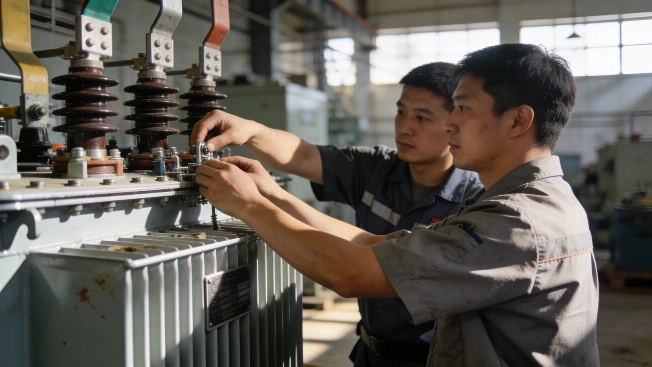
GM to Install Smart Transformer System at Romulus Plant
General Motors plans to bring IONATE's Hybrid Intelligent Transformer to its Romulus, Michigan plant, aiming to improve power quality and manage rising electricity demand at the facility.
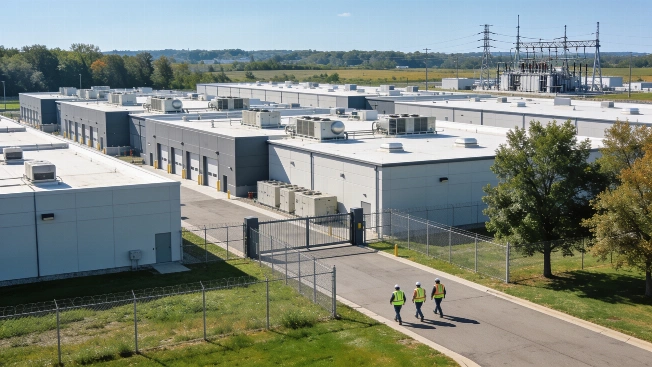
Michigan Data Center Campus Valued Up to $1.25 Billion as Hyperscale Data Weighs Next Move
Hyperscale Data is considering a sale, IPO, or further expansion after its Michigan data center campus was valued at up to $1.25 billion. A new long-term contract and expansion options are shaping the company's decision.
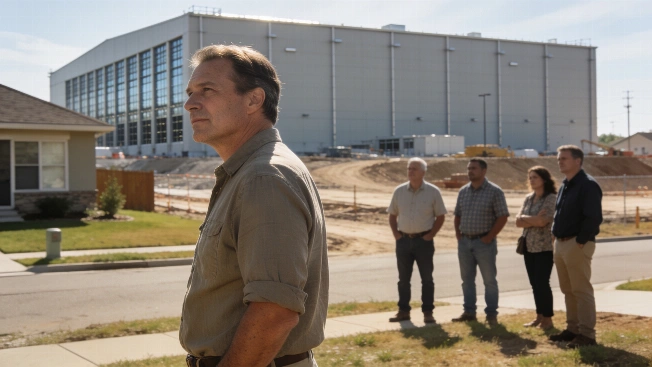
Poll Finds Data Centers Least Supported by U.S. Communities
A new national survey shows nearly half of Americans oppose new data centers in their neighborhoods, with concerns over energy, water use, and AI growth driving resistance. Support for other developments remains much higher.
Alabama Data Centers May Outpace Statewide Home Power Use
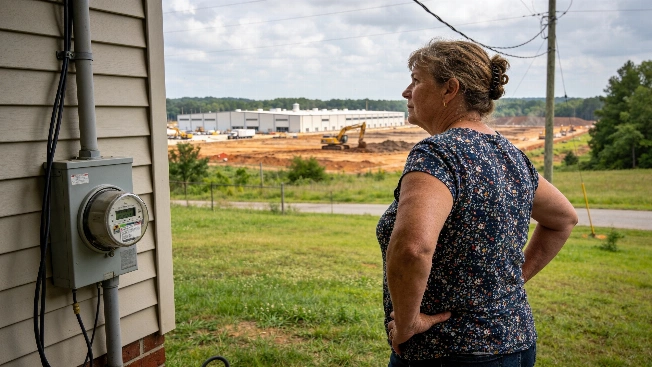
A wave of proposed data centers in Alabama could consume more electricity than all residential homes combined. Alabama Power says rates won't rise, but residents and experts question whether new laws and oversight will truly protect customers.

Michigan Lawmaker Proposes Guardrails for Data Center Expansion
A Michigan House representative is urging the state to adopt clear rules for new data centers, focusing on land use, water, electricity, and noise, as Michigan seeks to attract AI-driven industry while protecting local resources.
Senator Proposes New Federal Tax on AI Data Centers
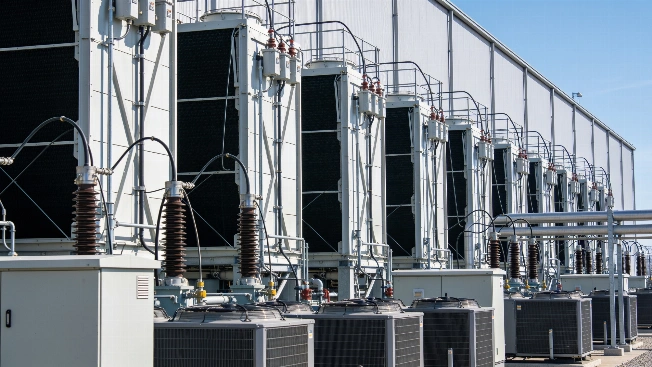
A draft proposal from Sen. Ron Wyden would remove current tax breaks for new data centers and introduce an excise tax on facilities handling AI workloads, aiming to address rising energy costs and community impacts. Public feedback is open through August 31.
Utah Enacts First State Law Requiring Data Center Water Reporting
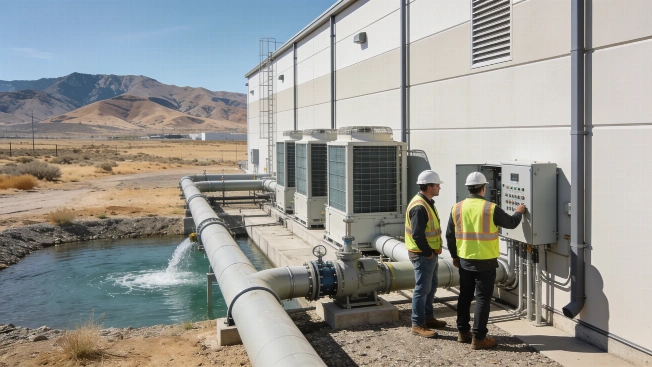
Utah now requires large new data centers to publicly report annual water use, aiming to increase transparency as water demand grows. The law, signed in March, is already influencing similar efforts in other states.