Oklahoma is installing private digital access pods in up to 175 libraries statewide, aiming to bridge the digital divide for rural and underserved residents by 2026. The $14.5 million project is funded by federal COVID-era relief.
Oklahoma has launched a statewide initiative to expand digital access by installing private technology pods in public libraries, a move officials say is the first of its kind in the nation. The Oklahoma Broadband Office (OBO) is leading the $14.5 million project, which aims to help residents-especially in rural areas-connect to essential online services they may not have at home.
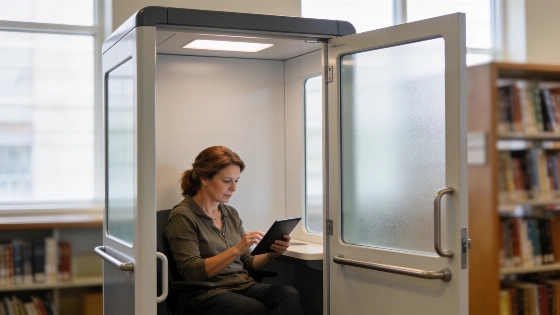
The new community access pods, funded through the federal American Rescue Plan's Capital Projects Fund, are being rolled out in municipal libraries across the state. Each pod provides a private space equipped with a tablet and monitor, allowing users to access telehealth, job applications, educational resources, and other digital services. The initiative is scheduled to be completed by December 2026, in line with federal spending requirements.
Expanding Library Services
According to the Oklahoma Broadband Office, up to 175 community access portals will be installed in libraries statewide. As of this spring, 40 libraries in 32 counties have joined the program. The first pods became available last month at Kingfisher Memorial Library, about 50 miles northwest of Oklahoma City. The library received funding for two pods, including one designed to meet Americans with Disabilities Act standards.
Library staff are being trained to assist users, and the pods feature an artificial intelligence tool to help residents navigate device menus and prompts. The service is free to the public, and is intended to benefit those who lack reliable internet or digital devices at home, as well as people who previously had to travel long distances for services like medical appointments.
Federal Funding and Local Impact
The Capital Projects Fund was created during the COVID-19 pandemic to help state and local governments close the digital divide through infrastructure investments. By partnering with libraries-trusted community institutions-Oklahoma officials hope to make digital services more accessible to residents who need them most. The OBO will continue to work with its technology partner, Ready.net, to install and maintain the pods and provide ongoing staff training for at least five years.
Offering digital access pods is part of a broader trend of libraries expanding their services beyond traditional book lending. Across the country, libraries have begun lending non-traditional items such as kitchenware and museum passes, and some have launched technology-focused programs. For example, San Jose, California, opened an AI education center at a local library, while Osceola County, Florida, created a "library without books" focused on digital learning labs.
Monitoring and Next Steps
The Oklahoma Broadband Office will monitor how residents use the new pods, tracking interactions and time spent on the devices to assess community needs. The agency expects the program to improve access to telehealth, education, and employment opportunities, particularly in areas where home internet remains limited.
As libraries take on a larger role in bridging the digital divide, officials emphasize the importance of privacy, security, and accountability in managing new technology services. These concerns echo recommendations from experts who have called for stronger safeguards as governments expand digital access, as discussed in a recent analysis of government data-sharing practices.
For Oklahoma residents, the expansion of digital access through local libraries represents a practical step toward greater connectivity and opportunity, with the potential to make everyday tasks-from seeing a doctor to applying for a job-more accessible for all.