AT&T plans to shut down most copper landlines in Michigan's Lower Peninsula by 2029. Customers will move to fiber and wireless networks, keeping access to 911 and regular phone features.
AT&T has set a clear deadline. By the end of 2029, most copper landlines in Michigan's Lower Peninsula will be shut down. Customers will move to fiber and wireless networks. This is part of AT&T's national plan. Susan Johnson, who leads Wireline Transformation, said in December 2023 that the company expects to stop copper-based services in most areas by 2029, according to Ooma. AT&T says the change is needed because copper lines are less reliable, cost more to maintain, and parts are getting harder to find.
For people and businesses in Michigan, this means leaving behind the old phone lines that have been in use for decades. AT&T says less than 2 percent of eligible customers still use these legacy copper services. Most have already switched to newer options. The company promises that the change will not cut off voice service or 911 calls. Most people will keep their phone numbers and devices. The City of Farmington and Farmington Hills have talked about broadband upgrades in recent city council meetings. Reliable communication is key for emergency services and public safety planning.
Fiber and wireless expansion
AT&T has put more than $2.7 billion into Michigan's infrastructure from 2021 to 2025. AT&T Fiber now reaches over 860,000 customer locations in 120 communities across the state. The company is also building out its 5G wireless network and rolling out products like AT&T Phone-Advanced. This service keeps traditional landline features but offers clearer calls and better security. AT&T says these upgrades will reach both cities and rural areas, including hard-to-reach places and homes at all income levels. The Farmington City Council has discussed how these changes affect local businesses and schools. They stress the need to keep working with utility providers.
During the switch, AT&T is offering free technical support and advice. The company says moving to fiber or wireless is usually simple and could even lower monthly bills. Customers with questions can get direct help to make the change easy. Farmington Public Schools have also told families why reliable phone and internet service matters for student safety and remote learning, especially during bad weather or emergencies.
Why copper is being retired
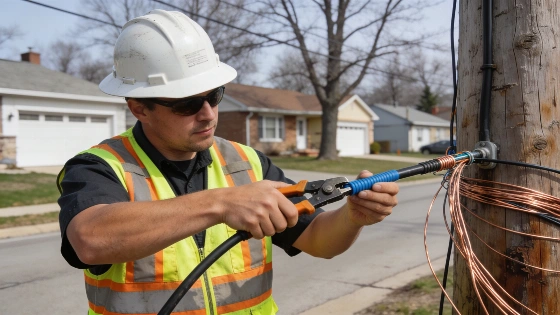
Several reasons are behind the move away from copper landlines. Copper networks break down more often in bad weather and are targets for theft as copper prices rise. This can disrupt services like 911. Replacement parts for old systems are hard to find, so repairs take longer and are less reliable. AT&T says fiber is faster, uses less energy, and is more dependable. It's a better fit for today's communication needs. In July 2026, AT&T filed new applications with the FCC to end legacy TDM/POTS services in parts of 55 wire centers across 13 states. The earliest shutoffs could start October 16, 2026, if regulators approve, according to Ooma.
This change is happening across the country. Phone companies everywhere are moving away from copper as people choose digital services and new infrastructure becomes the norm. The Federal Communications Commission and state leaders back these efforts. They want to modernize communications and improve service for everyone. Oakland County officials have also talked about the need for better broadband in public hearings, pointing out its role in economic growth and public health.
What residents should expect
AT&T says 98 percent of eligible customers in its area have already switched from copper. For those who haven't, the company is reaching out directly to explain what's next and answer questions. Most people will keep their phone numbers and, in most cases, their current devices. The company says 911 and other key services will keep working without a break. The State of Michigan keeps a list of approved telecom providers and has published advice for residents on how to get ready for these changes, especially for vulnerable groups and small businesses.
As Michigan towns and cities adjust to new technology, the main goal is to keep connections strong for families, businesses, and emergency services. This move is part of a bigger push to modernize infrastructure across the state, much like other recent upgrades to local services and utilities, as reported earlier.
AT&T's plan to end copper landlines by 2029 is a big change for Michigan's phone system. The company's investment in fiber and wireless shows how technology and customer needs are shifting. For most people, the switch will be smooth, with no loss of key services and the promise of faster, more reliable connections. As Michigan moves ahead, upgrading infrastructure will stay at the center of efforts to support communities and the state's economy.