The fate of Enbridge's Line 5 pipeline in the Straits of Mackinac could shift after November's elections, as Michigan's next governor, attorney general, and U.S. senator may set new legal and policy directions for the controversial project
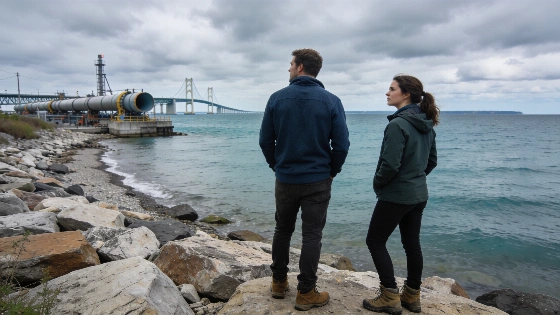
The future of Enbridge Energy's Line 5 petroleum pipeline in the Straits of Mackinac is once again in the spotlight as Michigan prepares for pivotal elections this November. With Governor Gretchen Whitmer and Attorney General Dana Nessel actively pursuing a shutdown of the pipeline, the outcome of the races for governor, attorney general, and U.S. Senate could determine whether the state continues its legal battle or changes course.
Line 5, which transports petroleum products beneath the Straits, has been the subject of years of legal and political wrangling. In 2018, Enbridge reached an agreement with then-Governor Rick Snyder to build a concrete tunnel encasing the pipeline under the lakebed, but the project has faced ongoing permitting delays and court challenges.
Where the Candidates Stand
Governor Whitmer and Attorney General Nessel, both Democrats, have made shutting down Line 5 a central part of their environmental agenda. Nessel filed a lawsuit in 2019 seeking to close the pipeline, and Whitmer ordered its shutdown in 2020. Enbridge responded with its own legal action, resulting in a series of court battles that remain unresolved.
Republican gubernatorial candidate John James has pledged to end Michigan's litigation against Enbridge and supports moving forward with the tunnel project. In contrast, Democratic candidate Jocelyn Benson has not taken a clear position on the pipeline or the tunnel, instead emphasizing a broader commitment to protecting the Great Lakes and diversifying Michigan's energy sources. Benson's campaign has proposed a statewide audit of aging pipelines, including Line 5, and a plan to replace those deemed hazardous or polluting.
On the attorney general side, Republican Doug Lloyd has said he would halt the state's efforts to shut down Line 5 if elected. Democratic candidate Eli Savit has not publicly stated his position on the issue.
Senate Race Could Influence Pipeline Policy
The U.S. Senate race between Democrat Abdul El-Sayed and Republican Mike Rogers could also shape the debate over Line 5, even though Congress does not directly control the pipeline's operation. Lawmakers have previously introduced bills and applied public pressure to influence the pipeline's fate. For example, Republican U.S. Representatives Tim Walberg, John Moolenaar, and Jack Bergman introduced legislation to prevent future presidents from shutting down Line 5, while Democratic Representative Debbie Dingell led calls for a temporary shutdown after the pipeline was damaged in 2020.
El-Sayed has called for a "responsible shutdown of Line 5 in its current form," while stopping short of endorsing or opposing the tunnel proposal. He has also called for a more thorough environmental review of the project. Rogers, who did not respond to recent questions, has previously expressed support for the tunnel.
Legal and Environmental Stakes
The outcome of these elections could have significant consequences for Michigan's legal strategy and the future of energy infrastructure in the region. The state's ongoing court cases, including appeals in both state and federal courts, hinge on the priorities of the governor and attorney general. If new officials take office with different views, Michigan could shift its approach to the pipeline, potentially ending litigation or changing its stance on the tunnel project.
For more on how the Senate race is shaping up, including candidate positions on other key issues, see this recent analysis of the Michigan Senate campaign.
Line 5 remains a critical issue for communities along the Great Lakes, with environmental groups warning of the risk of a major oil spill and business interests emphasizing the pipeline's role in regional energy supply. The next round of state and federal elections will likely determine whether Michigan continues its current legal fight or pursues a new direction for the controversial pipeline.