Fourteen Michigan farms and agricultural businesses will receive Farm to Family grants for soil-health practices and infrastructure. The awards will help producers store, market and sell food.
The projects cover both of Michigan's peninsulas. The Michigan Department of Agriculture and Rural Development announced them Sept. 29 through its Farm to Family Program.
The grants will help newer and expanding operations pay for refrigerated storage, wash-pack facilities, farm retail spaces, marketing projects and renewable-energy upgrades. The MDARD grant announcement lists individual awards from $9,091 to $50,500.
Practical work comes first.
Projects target farm operations
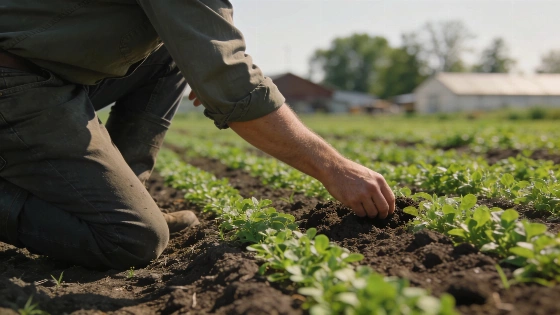
The funding comes through MDARD's Regenerative Value Chains Grant Program. It supports producers who use methods intended to improve soil health, including cover crops and livestock integration.
The awards also address the business side of farming. Better storage can extend the usable life of products. Wash-pack facilities can help farms prepare goods for sale. Retail spaces and marketing support can give producers more direct access to customers without changing the program's agricultural focus.
MDARD Director Tim Boring said the department is emphasizing regenerative agriculture because "science-driven land practices consistently deliver better outcomes." The department's announcement lists individual awards. It does not state one total allocation for the round.
Recipients and award amounts
Recipients in western and northern Michigan include Green Things Farm Collective in Washtenaw County, Yooper Country Farms in Alger County, Whispering Wild Market Farm in Houghton County, Harbor Springs Vineyard & Winery in Emmet County and Weinrich Farm in Grand Traverse County. Confirmed awards include $24,964 for Yooper Country Farms, $27,529 for Whispering Wild Market Farm, $50,391 for Harbor Springs Vineyard & Winery and $50,500 for Weinrich Farm.
West Michigan awards went to The Woven Trifecta, The Pasturage and Tortoise & Hare Farm in Muskegon County. Campbell Crossing Farm in Mason County also received an award. Central Michigan recipients are JNelson Farms in Midland County and Thornton Agriculture in Osceola County.
Other awards went to Silly Goose Acres in Allegan County, Willowbrook Farms in Cass County and Dream Again Gardens in Tuscola County.
JNelson Farms received $50,500 for additional solar generation, energy storage and backup power. The upgrades are intended to protect refrigerated storage from losses during outages, according to MDARD and regional reporting by WNEM.
Farmington is not on the list.
The release does not identify a recipient in Oakland County or a project in Farmington. The awards are administered by the state, not the City of Farmington, the City of Farmington Hills or the Oakland County administration. The Farmington Public Schools board is also not identified as a participant in this grant round.
Fourth Farm to Family funding round
The regenerative agriculture awards are the fourth funding opportunity offered through the Farm to Family Program since it launched in fiscal year 2025. Earlier rounds supported food hubs and farm stops, refrigerated transportation projects and farmers market businesses.
The program now reaches several parts of the food chain. This round focuses on farms and agricultural businesses that are building capacity through equipment, facilities, sales channels and energy improvements. It is not limited to field production.
MDARD's role places the awards within a broader State of Michigan effort to support agricultural businesses and promote soil-health practices. The department's agriculture funding work is separate from other state regulatory questions, including those discussed in an earlier state policy report.
What the grants change
The recipients now have support for projects that can improve how they handle, store, promote and sell their products. The announcement does not establish construction schedules, completion dates or projected production increases for any individual farm.
That limit matters. A grant award is not a completed facility or a guaranteed market outcome.
Its immediate value is more concrete. Fourteen Michigan operations can invest in the infrastructure and business systems the state says are needed to expand regenerative agriculture.
Michigan is linking soil-health practices with storage, retail and market access. That makes regenerative agriculture both a land-management approach and a farm-business challenge. The funding round focuses on physical bottlenecks that can decide whether smaller and growing farms turn responsible cultivation into a durable operation.