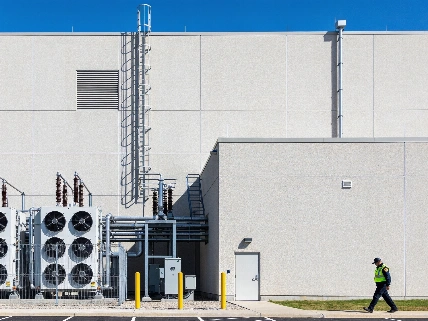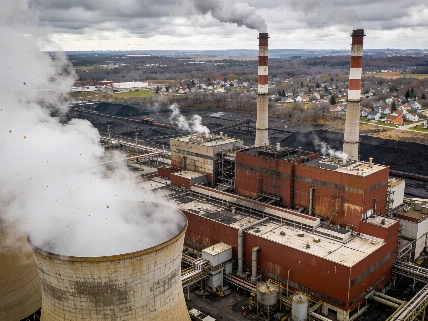
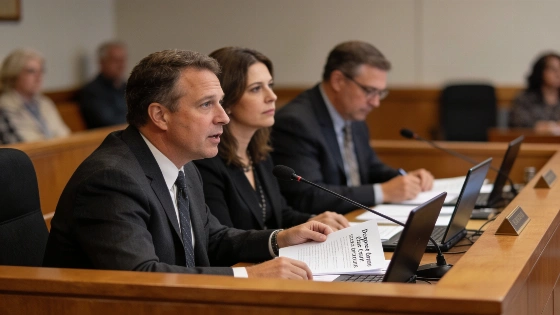
At least 76 local governments across the U.S. have moved to restrict or ban new data centers, with most efforts succeeding. The trend is driven by concerns over electricity, water use, and community impact, according to new tracking data.
Local governments across the United States are increasingly taking action to limit or ban the construction of new data centers, according to a new tracker released by the National League of Cities (NLC). At least 76 cities, counties, and towns have either attempted or successfully enacted moratoriums or permanent bans on data center development, with most efforts resulting in restrictions being put in place.
While state governments have drawn attention for imposing strict rules, conducting audits, or removing tax incentives for data centers, the NLC's findings highlight a significant wave of local-level policy responses. The group's new Data Center Local Action Tracker, launched last week, compiles these local decisions and provides a resource for communities navigating the complex issues surrounding data center growth.
Permanent Bans and Temporary Moratoriums
Among the 76 local governments identified, three-Marshall County, Indiana; Monterey Park, California; and St. Charles, Missouri-have enacted permanent bans on new data centers. The majority of other jurisdictions have opted for temporary moratoriums, often to allow time for further study or to address resident concerns about infrastructure and environmental impacts.
Georgia stands out as a leading state for local data center moratoriums. According to the NLC and a separate tracker from Georgia Tech's Energy Policy and Innovation Center, nearly 40 local governments in Georgia have approved some form of moratorium, with several set to remain in effect into next year. Illinois and North Carolina have also seen at least 10 localities each propose or adopt moratoriums, including major cities like Charlotte, where the city council unanimously approved a 150-day pause on new data center projects in June 2026.
Community Concerns and Policy Responses
Local leaders have cited rising electricity and water costs, as well as potential impacts on neighborhoods and the environment, as key reasons for imposing restrictions. In some communities, resident-led petitions have called for public votes on data center projects, and a few local officials have even faced recall elections over their positions on the issue.
While most proposed moratoriums have passed, a handful have failed, including efforts in Cheyenne, Wyoming; Gardner, Kansas; and Pulaski County, Alaska. The NLC notes that more localities are expected to vote on data center-related measures later this year, including zoning changes and tax incentives.
Beyond Moratoriums: Ordinances and Agreements
In addition to outright bans and moratoriums, at least 28 city and county governments have adopted ordinances regulating data centers, often by updating zoning or development laws. Some cities have negotiated comprehensive development agreements with data center developers. For example, St. Louis, Missouri secured approximately $15 million in community benefits-including digital inclusion, environmental justice, and transportation improvements-in exchange for supporting a proposed data center project. These agreements may also include requirements for local hiring, wage standards, job creation, and transparency.
Debate continues over whether data centers should be singled out for regulation or addressed as part of broader energy and infrastructure planning. Some policy experts argue that local communities are best positioned to weigh the tradeoffs and benefits of data center development, while others call for more comprehensive state or national approaches.
What Comes Next for Local Data Center Policy
The NLC's tracker is not exhaustive, as local decisions can move quickly and new proposals continue to emerge. However, it provides a snapshot of how communities are responding to the rapid expansion of data centers and the challenges they pose. For local officials, the tracker offers a way to learn from peers and consider a range of policy tools beyond simple moratoriums.
This trend reflects a broader shift in how local governments are using data and policy to address infrastructure and environmental challenges. As seen in other areas-such as the use of external datasets to strengthen climate resilience, highlighted in recent reporting on local climate strategies-cities and counties are increasingly proactive in shaping their own futures amid rapid technological change.
As more communities weigh the costs and benefits of data center development, residents can expect continued debate, new ordinances, and evolving approaches to balancing economic growth with infrastructure and environmental concerns.