A federal appeals court has ordered the J.H. Campbell coal plant in Michigan to shut down, ruling that repeated emergency orders to keep it open were unlawful. The decision ends years of delays that left local families paying extra costs and exposed to ongoing pollution.
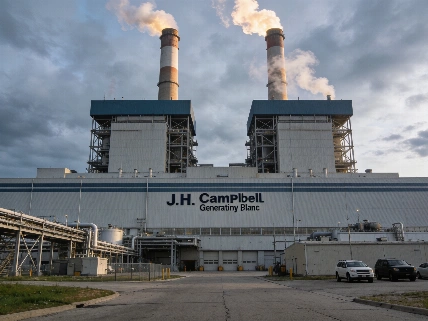
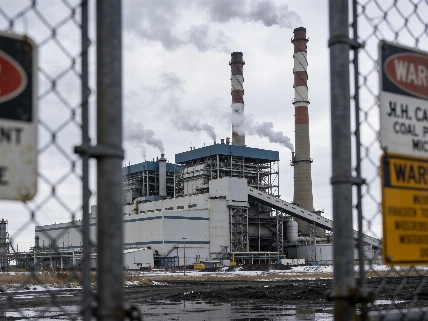
The J.H. Campbell coal-fired power plant in Ottawa County, Michigan, will close after the U.S. Court of Appeals for the D.C. Circuit ruled that the Trump administration's emergency orders to keep it running went beyond federal authority. The court found that the Department of Energy (DOE) misused Section 202(c) of the Federal Power Act, which is meant for true emergencies, not for long-term planning or reliability concerns. (Reuters) The ruling follows years of delays that forced residents in places like Farmington and Farmington Hills to keep paying for a plant originally set to close in May 2025.
Consumers Energy operates the Campbell plant, which produces about 1,500 megawatts. Its closure was postponed six times through a series of 90-day DOE orders, with the latest extension set to expire in November 2026. The first DOE order in May 2025 cited an "energy emergency," but the court said that pointing to long-term reliability risks and NERC materials did not justify emergency action. Michigan Attorney General Dana Nessel challenged the extensions, arguing they saddled families and businesses with hundreds of millions of dollars in extra costs.
The court stressed that states like Michigan are responsible for planning power generation and managing reliability risks, and that federal intervention should only happen as a last resort. Local governments, including the City of Farmington, have raised concerns about the impact of keeping coal plants open on air quality and public health, especially for people living near major energy sites. The Farmington Public Schools board has also discussed the need to reduce student exposure to air pollution, reflecting growing concern about environmental health in the community.
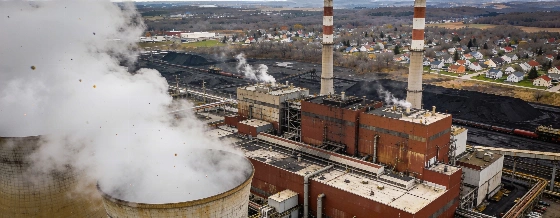
Coal plants like J.H. Campbell are major sources of air and water pollution. Delaying their closure means continued exposure to pollutants linked to asthma, heart disease, and other health problems. The financial burden also grows as utilities pass the costs of running outdated plants on to customers. According to the Michigan Department of Attorney General, the repeated extensions forced local families and businesses to pay for a facility that should have closed more than a year ago.
Consumers Energy says it will follow the law and continue to operate under the current 90-day DOE order until it expires, while reviewing the court's decision. State agencies and local officials, including those in Oakland County, will monitor the company's compliance. Residents can find updates on environmental initiatives and public hearings through the City Council agendas portal.
This court decision highlights the role of judicial oversight in making sure federal agencies do not override state authority or public health protections. As Michigan moves away from coal, replacing old plants with cleaner energy and investing in grid reliability will remain priorities for state and local leaders. The J.H. Campbell case shows the need for open decision-making and strong community involvement to protect both public health and economic stability.