Arkansas will gain at least $172 million from a multistate settlement with Meta over online child safety, while several lawsuits against other social media companies-including TikTok, Google, and Snapchat-remain active in state and federal courts
Arkansas is set to receive a minimum of $172 million as part of a multistate settlement with Meta, the parent company of Facebook and Instagram, over allegations related to online child safety. The agreement, which involves 51 attorneys general nationwide, requires Meta to implement new safety measures on its platforms. The settlement still awaits final court approval.
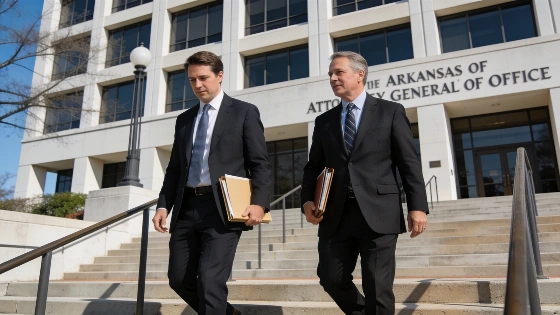
State officials, including Attorney General Tim Griffin and Governor Sarah Huckabee Sanders, have made online child protection a legislative and legal priority. They described the Meta settlement as a significant step in holding social media companies accountable for the safety of young users.
Ongoing Lawsuits Against Social Media Platforms
While the Meta case moves toward resolution, Arkansas continues to pursue several lawsuits against other major social media companies. In 2023, Attorney General Griffin filed lawsuits against TikTok in Cleburne and Union counties, alleging the platform misled parents about the availability of mature content and violated the state's Deceptive Trade Practices Act. TikTok argued that federal law shields it from such lawsuits, but a Cleburne County judge denied the company's motion to dismiss. A trial is scheduled for March 2027, while the Union County case remains pending without a set trial date.
In 2024, Arkansas filed suit in Phillips County against YouTube, Google, and their parent companies, accusing them of intentionally targeting minors with addictive and harmful content. The companies' attempt to dismiss the case based on federal protections was rejected by a judge, and the decision is now under review by the Arkansas Court of Appeals. Similar legal action has been taken against Snap Inc., the parent company of Snapchat, with the state alleging that the platform is designed to addict minors. Snap has sought to move the case to federal court, while the state is working to return it to Phillips County.
Additional Legal Actions and Legislative Efforts
Arkansas has also filed a lawsuit in Los Angeles against Discord and Roblox, claiming the social gaming platforms put children at risk of sexual predation and violated state laws. A hearing in that case is scheduled for November. These lawsuits are part of a broader national trend, as seen in other states such as Pennsylvania, where officials have also taken legal action against TikTok for similar concerns about app design and content, as reported in coverage of Pennsylvania's lawsuit against TikTok.
In addition to litigation, Arkansas is defending new laws aimed at restricting minors' access to social media. A 2023 law requiring age verification for new accounts was struck down as unconstitutional, and a revised version approved in 2025 was temporarily blocked by a federal judge in April. The state has appealed to the 8th U.S. Circuit Court of Appeals, which is expected to hear arguments next month. Another law, making it easier for parents to sue social media companies if their children are harmed by online content, was also blocked by a federal judge in December 2025, and that decision is under appeal.
What Happens Next
The Meta settlement, if approved, will bring Arkansas a substantial financial award and require the company to adopt new safety protocols. Meanwhile, the state's lawsuits against TikTok, Google, Snapchat, Discord, and Roblox continue to move through the courts, with trial dates and hearings scheduled over the next several years. The outcomes of these cases, along with the fate of Arkansas's social media laws, will shape how online platforms operate for minors in the state.
Arkansas's approach reflects a growing national focus on regulating social media companies and protecting children online. The state's legal and legislative actions are being closely watched by other states and advocacy groups as courts and lawmakers grapple with the balance between online safety and constitutional rights.