Michigan Farm Bureau President Ben LaCross is urging federal officials to take a clear stand for American farmers, citing policy confusion and growing imports as threats to Michigan agriculture and food security.
Michigan Farm Bureau President Ben LaCross is calling on federal officials to stop sending mixed signals to American farmers. With U.S. beef cattle numbers at their lowest in decades and more than half of the country's fresh fruit now imported, LaCross says it's time for decisive action to protect local agriculture. According to the latest USDA data, the U.S. beef cattle herd was 86.2 million head as of January 1, 2026, with beef cows at 27.6 million-the lowest since 1961. Michigan producers are feeling the effects of these national trends and the uncertainty that comes with shifting federal policies.
LaCross, a second-generation fruit grower from northern Michigan, says the lack of steady federal support makes it hard for farmers to plan for the future. He points to recent policy changes and court decisions that have left producers unsure about what comes next. One example is a Department of Labor rule that could have saved farmers $2.4 billion a year but was struck down by a California judge. The court found the Department had acted unlawfully and too quickly in changing the H-2A wage formula, leaving the current system in limbo until a new approach is set. As of September 2026, the issue remains unresolved, adding to the uncertainty for Michigan growers and their workers.
Rising imports and policy uncertainty
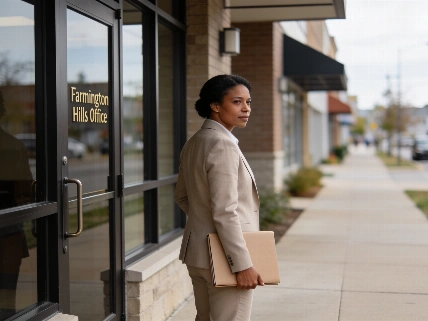
LaCross says federal trade and import policies have changed the outlook for Michigan farmers. Thirty years ago, only 14% of fresh fruit eaten in the U.S. was imported. Today, that number is over 50%, according to the USDA Economic Research Service, and could reach 70% by 2040 if current trends continue. LaCross warns this shift puts local farmers and national food security at risk-a concern also raised by the City of Farmington Council in recent talks about food resilience and emergency planning.
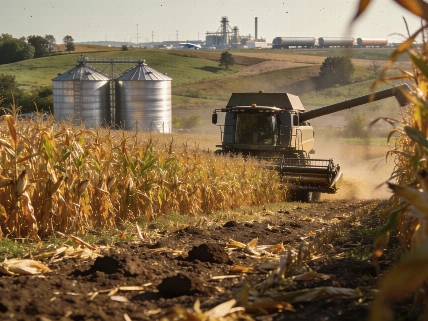
He also points to past federal initiatives, like support for "Meatless Mondays" and the Green New Deal, which he says have cast doubt on the future of American beef production. Combined with severe droughts, these signals have contributed to the lowest beef cattle inventory in modern U.S. history. The USDA's July 2026 report showed 94.2 million head of cattle and calves nationwide, with beef cow numbers down 1% from the previous year, confirming the ongoing decline and the pressure on beef producers.
Farmers seek clear federal commitment
LaCross is asking President Donald J. Trump and other federal leaders to make public, unambiguous commitments to American agriculture. He notes that presidential statements and social media posts can influence markets and the decisions of farmers and ranchers across the country. LaCross has even drafted suggested Truth Social posts for the president, urging support for rebuilding the national beef herd, moving forward with the Securing Agriculture's Workforce Act, and addressing high fertilizer costs. The Farmington Public Schools Board has also stressed the need for stable agricultural policy in its recent planning for school meal programs, highlighting the importance of reliable local food sources.
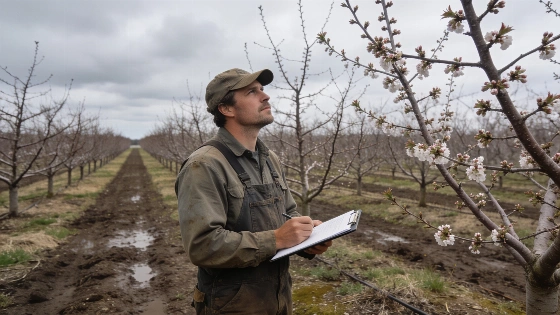
Farmers, LaCross says, need certainty to make investments that may take years to pay off-especially in Michigan's cherry orchards, where a new tree can take six years to produce a full crop. Without clear signals from Washington, young farmers may question whether agriculture is a viable career. Ongoing uncertainty around labor rules, like the unresolved H-2A wage formula, makes it even harder for the next generation to plan.
Broader economic and security implications
LaCross argues that food security is a national security issue, and relying on imported produce and beef exposes the U.S. to unnecessary risks. He points to a recent federal decision to import 300 million metric tons of lean ground beef as an example of a move that might lower prices for consumers now but could hurt American cattle producers in the long run. The USDA projects U.S. beef production for 2026 will fall to 24.877 billion pounds, a 4.3% drop from 2025, reflecting tight supply and tough market conditions for producers.
Michigan's agriculture sector is unusually diverse, producing a wide range of fruits, vegetables, dairy, and protein. The state's farmers rely on a network of suppliers, processors, agronomists, and truckers. Changes in federal policy can ripple through this system, affecting jobs and local economies across the state. Oakland County officials note that agriculture remains a key part of the county's economic base, supporting both rural and suburban communities.
Context and next steps
Federal agricultural policy is shaped by laws, executive orders, and regulatory decisions. The Michigan Farm Bureau, the state's largest general farm organization, regularly advocates for policies that support local producers. As national debates over trade, labor, and environmental rules continue, Michigan's farm leaders are pushing for a seat at the table to make sure their concerns are heard. For more on how global economic pressures are affecting Michigan's industries, see this earlier report.
LaCross's message is direct: without clear, ongoing support from Washington, Michigan's farmers face an uncertain future. The next generation will be watching federal actions closely to decide whether to invest in farming or look elsewhere. Michigan agriculture needs a firm federal commitment to survive.