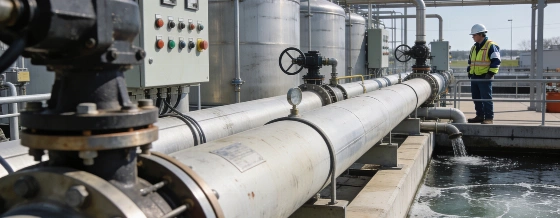
The U.S. House has approved the Water Resources Development Act 2026, which includes $115 million for water infrastructure projects in Kent, Ottawa, and Muskegon counties, along with new support for Muskegon Heights and the Muskegon River.
West Michigan is set to receive a major boost for its water systems after the U.S. House passed the Water Resources Development Act 2026 (WRDA 2026). The bill directs $115 million toward environmental infrastructure projects in Kent, Ottawa, and Muskegon counties. Congresswoman Hillary Scholten, who supported the measure, said the funding will help upgrade water systems, create jobs, and strengthen the region's ability to handle environmental challenges. The House approved the bill on September 15, 2026, with a strong bipartisan vote of 415-9, according to the Congressional Budget Office and Bloomberg Government.
Scholten pointed to specific authorizations for Muskegon Heights and the Muskegon River, noting that the bill addresses both immediate needs and longer-term planning. It also includes provisions for Great Lakes priorities, such as changes to dredging practices and new rules for dam safety and management. These efforts match ongoing work by local governments and the State of Michigan to modernize water infrastructure and protect natural resources, as seen in recent state water initiatives.
Funding and Project Focus
The $115 million is set aside for environmental infrastructure, with the goal of improving water systems and supporting local economies. Scholten said the bill includes not only direct funding but also language for studies that could lead to future projects in Muskegon Heights and along the Muskegon River. These investments are intended to update aging infrastructure and improve water quality for residents. WRDA 2026 authorizes 14 new water infrastructure projects and 133 feasibility studies across the country, but actual funding for each project will depend on annual appropriations, mainly through the Energy and Water Development process, as outlined in the BGOV Bill Analysis.
The bill also supports broader Great Lakes efforts. Dredging reforms are designed to keep waterways navigable while reducing environmental harm, and new dam provisions aim to improve safety and resilience as weather patterns shift. The U.S. Army Corps of Engineers, which manages many of these projects, works with local and county governments to set priorities and coordinate work.
What Happens Next
With House approval, the bill now moves to the Senate. Scholten said she plans to work with senators to keep the bill moving and secure its benefits for West Michigan. The timing and details of funding will depend on the Senate's actions and how quickly federal agencies set up the process. The City of Muskegon Heights and other local governments are watching the bill's progress and preparing for possible grant applications once federal guidelines are released.
Federal investment in water infrastructure has become a regular topic in Michigan, as shown in recent reporting on the state's push for major projects. WRDA 2026 is a targeted effort to address both environmental and economic needs at the local level. Local school districts, including those under the Farmington Public Schools board, have also stressed the need for safe and reliable water systems for student health and community well-being.
What It Means for Residents and Local Governments
The Water Resources Development Act is a federal bill passed every two years to authorize funding and studies for water infrastructure across the country. Once the bill becomes law and federal agencies release guidelines, local governments in Kent, Ottawa, and Muskegon counties will be able to apply for funding. Residents can expect updates from their city and county leaders as projects are chosen and scheduled. The inclusion of study language for Muskegon Heights and the Muskegon River shows a commitment to ongoing review and possible future investment in these areas. For more on local water planning, residents can visit the Kent County Department of Public Works.
Congressional action on water infrastructure is key to keeping drinking water safe, supporting economic growth, and protecting natural resources in the region. The House's passage of WRDA 2026 is an important step, but the final impact will depend on the Senate and how quickly federal agencies act. For West Michigan, continued investment in water systems remains essential for public health and long-term community stability. Local officials, including those from the City of Farmington and Oakland County, are following federal developments closely to match local priorities with new funding opportunities.