Federal prosecutors have charged six individuals in Michigan with COVID-era loan fraud totaling $8.2 million as part of a national crackdown that has identified over $245 million in intended losses.
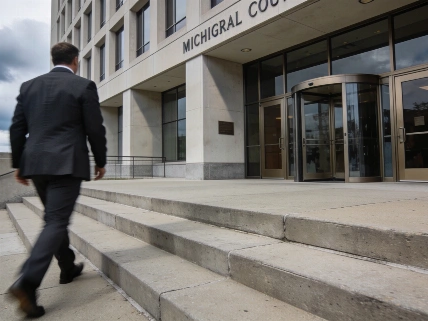
Six people in Michigan face federal charges for COVID-era loan fraud schemes that led to about $8.2 million in losses, according to the U.S. Attorney's Office for the Eastern District of Michigan. These cases are part of a national enforcement effort by the Department of Justice, which ran from June 12 to September 1, 2026. The sweep targeted more than 160 defendants across the country, including about 80 new cases. The DOJ estimates that intended losses nationwide total around $245 million, with Michigan's cases making up a notable share. (DOJ announcement)
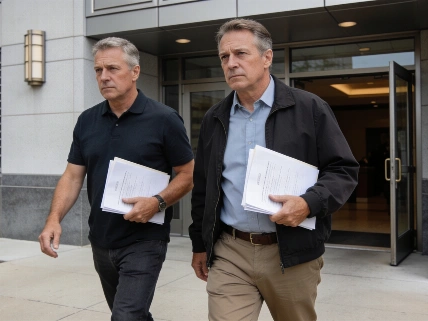
Prosecutors say the Michigan defendants took advantage of pandemic relief programs meant to help small businesses and workers during lockdowns. Peter Valente and Angela Toma are accused of using inactive companies to get more than $2.6 million in fraudulent loans. Toma has pleaded guilty. Valente is charged with wire fraud and money laundering. These cases were brought in the Eastern District of Michigan, which covers communities like Farmington and Farmington Hills, both served by the City of Farmington and the Farmington Public Schools district.
Details of the Michigan cases
Patrick McNulty and Joseph Gastorf are charged in connection with 18 fraudulent Paycheck Protection Program (PPP) and Economic Injury Disaster Loan (EIDL) applications, totaling over $2.7 million. In a separate case, Tauheed Wilder was sentenced to 72 months in prison for using stolen identities to obtain about $1.96 million in unemployment and PPP funds. Karl Fultz pleaded guilty after allegedly inflating payroll numbers at Wheel Effects to secure an $866,688 PPP loan. These prosecutions involved cooperation between federal agencies and local law enforcement, including the Oakland County Prosecutor's Office, which often works with federal partners on financial crime cases in the region.
SBA Administrator Kelly Loeffler announced on September 14, 2026, that the agency had suspended 870,000 U.S. borrowers linked to an estimated $39 billion in suspected PPP and COVID EIDL fraud. Michigan accounted for 30,923 suspended borrowers tied to $1.24 billion in suspected fraud, highlighting the scale of the problem in the state. The suspensions were announced in Kansas City alongside Vice President JD Vance, Attorney General Todd Blanche, and other federal officials, as part of the largest SBA fraud action to date.
National enforcement and local impact
The Michigan crackdown is part of a broader federal push to recover misused pandemic relief funds and hold offenders accountable. The cases show how fraud emerged as emergency programs distributed large sums with limited oversight. According to the U.S. Attorney's Office, Michigan's prosecutions are part of a coordinated national response to protect taxpayer resources and restore trust in government aid programs. The Farmington Public Schools board and other local agencies have kept a close watch on federal relief funding, since fraud and misallocation can affect local budgets and essential services.
While Michigan's financial losses are a small part of the national total, the cases reveal how relief programs can be abused. These enforcement actions come amid increased scrutiny of federal spending, as communities across the country weigh funding for infrastructure, health services, and other needs. As reported earlier, rising national debt and fraud have direct effects on local budgets and public services.
How pandemic relief fraud was detected
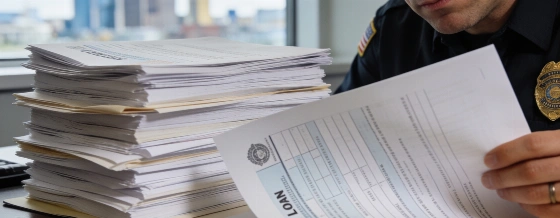
Investigators found fraud by spotting patterns like the use of inactive companies, inflated payrolls, and stolen identities. The PPP and EIDL programs, launched quickly to address the economic fallout of COVID-19, became targets for people looking to exploit gaps in oversight. Federal agencies have since stepped up audits, suspended suspicious borrowers, and brought criminal charges where appropriate. Michigan's Department of Attorney General has also given local governments guidance on reporting suspected fraud and protecting relief funds.
The SBA says ongoing reviews of pandemic relief loans have led to the suspension of hundreds of thousands of borrowers and the identification of billions in questionable activity. The Michigan cases show how local enforcement supports the national effort to recover funds and prevent future fraud. Residents can find updates on public safety and financial oversight through Oakland County's official channels and the City of Farmington's civic calendar.
Federal prosecutors say investigations will continue as authorities work to close loopholes and strengthen safeguards for future emergency programs. The recent charges and sentences in Michigan are meant to show that pandemic relief fraud carries serious legal consequences, and that public agencies are focused on protecting taxpayer dollars from abuse.