Recent polling shows Michigan's top statewide races for governor and U.S. Senate are still highly competitive with no clear frontrunner as the November election approaches. Voters will decide between John James, Jocelyn Benson, Mike Rogers and Abdul El-Sayed
With just eight weeks left until Michigan voters cast their ballots, the contests for both governor and U.S. Senate remain locked in a statistical dead heat. No candidate has managed to break away from the pack, according to the latest polling data released this week.
Both races feature well-known names and high stakes for the state's political direction. The governor's race pits John James against Jocelyn Benson, while the Senate contest features Mike Rogers and Abdul El-Sayed. Each candidate has maintained a strong base of support, but none has established a decisive lead as the campaign enters its final stretch.
Polling Shows No Clear Leader
Recent statewide polls indicate that voter preferences are nearly evenly split in both marquee races. The margin between candidates in each contest falls within the margin of error, signaling that Michigan's electorate remains deeply divided. This level of competition means that even small shifts in turnout or late-breaking developments could determine the outcome.
Election Day is scheduled for November 3, giving campaigns limited time to sway undecided voters. Early voting and absentee ballot options are available across Michigan, and both parties are ramping up outreach efforts to maximize participation. The close polling numbers have prompted increased advertising, campaign stops, and volunteer mobilization in key regions.
Key Candidates and Voter Impact
John James and Jocelyn Benson, both familiar to Michigan voters from previous statewide campaigns, are vying for the governor's office. In the Senate race, Mike Rogers brings experience as a former congressman, while Abdul El-Sayed is known for his background in public health and previous runs for office. The outcome of these races will shape Michigan's approach to issues such as education, infrastructure, health care, and economic development for years to come.
According to recent polling, no candidate in either race has surpassed 50 percent support, underscoring the importance of turnout and last-minute campaigning. Voters who have not yet made up their minds could play a decisive role, especially in closely contested counties and urban centers.
Understanding Michigan's Election Process
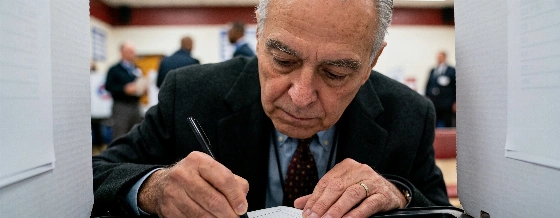
Michigan conducts its general elections on the first Tuesday in November. Registered voters can participate in person on Election Day, vote early at designated locations, or submit absentee ballots by mail or drop box. The state has implemented measures to ensure ballot security and accessibility, including expanded early voting hours and clear procedures for verifying absentee ballots.
Election officials encourage all eligible residents to check their registration status, review polling locations, and make a plan to vote. With both the governor's office and a U.S. Senate seat on the line, turnout is expected to be high, and results may not be immediately available if races remain as close as current polls suggest.
Michigan's reputation as a battleground state is once again on display, with both parties investing heavily in outreach and voter engagement. The next eight weeks will test the candidates' ability to connect with undecided voters and mobilize their supporters. As the campaigns intensify, Michigan residents can expect a surge in political activity, advertising, and direct voter contact leading up to Election Day.