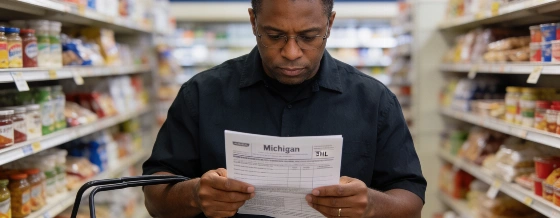
This November, Michigan voters face Proposal 2, a plan to curb political donations from utilities and big contractors. But with rising costs hitting families now, the real impact of the measure may not show for years.
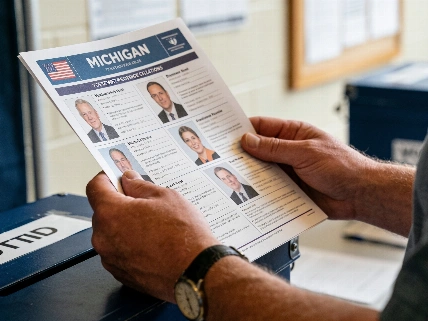
This fall, Michigan voters will decide on Proposal 2. The measure would block regulated electric and gas utilities, along with government contractors earning over $250,000 a year, from making campaign donations. It also targets people and groups closely tied to those companies. The law would expand disclosure rules for political ads, including those online, even if the ads don't directly tell people how to vote. Details are laid out in the official ballot summary and the Votebeat Michigan voter guide. But for many, the real question isn't whether Proposal 2 passes. It's whether anyone will notice a difference, especially as families deal with more urgent problems.
Across Michigan, from Farmington to Farmington Hills, people are feeling the pinch. Grocery bills, utility rates, and insurance costs keep climbing. These aren't distant policy debates-they hit at the checkout and in monthly statements. In this climate, a campaign finance law that might take years to show results can feel far removed. Local officials, including Farmington City Council members, keep hearing about these money worries during public meetings and budget talks.
Long-term reforms versus daily realities
Supporters call Proposal 2 "Money Out of Politics." They say it will cut the power of special interests and big utilities like DTE Energy. The United Auto Workers (UAW) backs the measure. Critics aren't convinced it will make a real difference. The proposal would also require more donor disclosure for political messages that name candidates or ballot issues, even if they don't urge a yes or no vote. These rules would cover internet ads too. Even if the law works as planned, the effects will come slowly-over several election cycles. Voters won't see much change right after November. It could take years before the impact is clear. The Michigan Health & Hospital Association points out that if voters reject Proposal 2, nothing changes. If it passes, the new rules kick in without the governor's signature and can only be changed by a three-quarters vote in both chambers of the State Legislature.
This gap between slow reforms and urgent needs isn't just about campaign money. Michigan's infrastructure tells the same story. The state has 6,765 locally maintained bridges. Sixty-seven are closed because they're in bad shape. More than 1,000 have weight limits as of last year. In rural towns, one bridge can be a lifeline for farms and families. But money for upkeep often gets pushed aside for emergencies, and when prevention works, no one notices. The Oakland County Road Commission and cities like Farmington Hills keep reporting on these problems and the need for steady investment in public works.
Why prevention is a hard sell
Preventing problems in government rarely gets attention. If a bridge stays open because it was fixed, or a water main never bursts, there's no headline. People notice only when things break. This pattern shows up in housing, shrinking populations, school changes, the national debt, and climate change. The costs of ignoring these issues build up slowly. Fixing them takes sacrifice now. Farmington Public Schools, for example, has held board meetings about long-term building needs and enrollment drops. They're trying to plan ahead before things get worse. Meeting notes and agendas are posted on the Farmington Public Schools board portal.
Psychologists call this "present bias." People focus on what matters now, not what could go wrong later. Democracy didn't create this bias, but it can make it stronger. Elected officials feel pressure to fix today's problems, not tomorrow's. So, decisions that could prevent trouble often get put off until the crisis hits and the fix costs more.
Today's votes, tomorrow's consequences
Michigan's struggles with roads and budgets aren't unique. As reported earlier, the rising national debt has already forced towns to make tough choices about funding for bridges, broadband, and hospitals. These aren't just policy arguments-they shape daily life and the future of local economies. Election notices from the City of Ypsilanti and Oakland County confirm that Proposal 2 will be on the statewide ballot November 3, 2026. Every Michigan community has a stake in the outcome.
Proposal 2 is just one example of a policy that, if it works, will take time to show results. Michigan's leaders now face the job of convincing voters that choices made today-on campaign money, roads, or schools-will shape the state's future, even if the payoff isn't immediate. Ignoring long-term problems doesn't make them go away. It just means the fix will be harder and costlier when the time comes.
Michigan's democracy is built to answer the needs of the moment. But real leadership means looking past the next election. The state's future-its roads, towns, and finances-depends on acting before problems turn into crises. Voters are right to care about today's bills. Still, the decisions they make this November will quietly shape Michigan for years ahead.