A wave of proposed data centers in Alabama could consume more electricity than all residential homes combined. Alabama Power says rates won't rise, but residents and experts question whether new laws and oversight will truly protect customers.
Alabama is seeing a surge in proposed data center developments that, if built to full capacity, could use more electricity than all the state's homes combined. Alabama Power, the state's largest utility, has assured residents that their bills will not increase as a result. However, many residents and energy experts remain skeptical, pointing to a lack of transparency and the complexity of new regulations.
As developers target sites from Bessemer to the Black Belt, questions are mounting about who will ultimately pay for the massive increase in energy demand. The answer may depend on how state regulators implement a new law, SB 270, which requires the Alabama Public Service Commission (PSC) to review whether utility contracts with data centers are in the public interest and ensure that all incremental costs are covered by the data center operators.
Residents Voice Concerns Over Costs
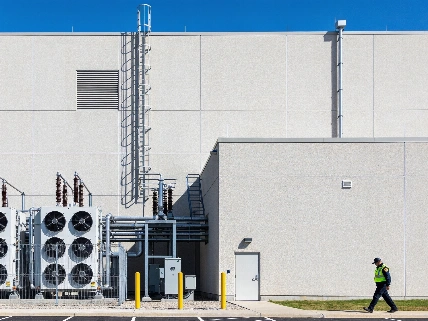
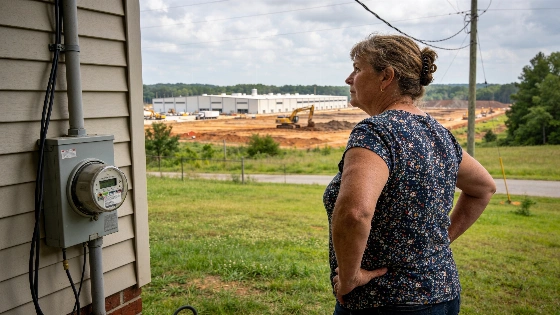
Many Alabama residents have expressed doubts about Alabama Power's promises. In Westover, southeast of Birmingham, residents discovered plans for a 14-building hyperscale data center after months of rumors and little information from local officials. In Bessemer, the proposed Project Marvel campus is expected to use 90 times more energy than all local homes combined, while in Lowndes County, Project Red Clay would require enough power for about a million homes and significant water resources from a small rural utility.
Access to details about these projects has been limited, with some local officials signing non-disclosure agreements that prevent them from sharing information. Residents worry that, despite assurances, they will end up paying higher bills to support these large-scale developments. One resident near the Bessemer site told Inside Climate News that she expects customers will "foot the bill," echoing concerns raised in other communities.
Regulatory Oversight and Transparency
SB 270, which takes effect October 1, directs the PSC to consider whether data center contracts recover all incremental costs and potentially lower costs for other customers. The PSC is currently reviewing public comments on how to enforce the law. Energy Alabama, a nonprofit advocating for clean energy, supports the law's intent but warns that its effectiveness depends on how rigorously the PSC applies its provisions.
Transparency remains a major issue. Alabama Power has submitted heavily redacted contracts to the PSC, obscuring key financial terms such as minimum bills, term lengths, and pricing. Residents and environmental groups argue that without full disclosure, it is impossible to verify that ratepayers are protected. Some fear that projects already approved locally may avoid the new scrutiny altogether, creating what they call a loophole in consumer protections.
Rate Freeze and Future Increases
Alabama Power has also promoted a rate freeze through 2027, claiming it will provide stability for customers. However, critics argue that the freeze locks in already high rates and merely delays future increases. The company recently reported a 15 percent rise in second-quarter profits, attributing the gain to lower expenses and increased customer charges. A planned rate hike to cover a $622 million natural gas plant, purchased to meet data center demand, has been postponed until 2028, when average bills are expected to rise by about $3.32 per month.
Some experts say the freeze is more of a delay tactic than real relief, shifting costs to later years while allowing Alabama Power to maintain high profits. The debate over whether the freeze truly benefits customers continues as new data center projects move forward.
Political and Regulatory Changes Ahead
The future of data center oversight in Alabama may soon shift as the PSC expands from three to seven members under the new Power to the People Act. Much of the commission's authority will transfer to a newly created state energy secretary, appointed by the next governor. The upcoming governor's race has become a focal point for debates over data center regulation, with candidates offering sharply different views on environmental impacts and the need for a moratorium on new facilities.
As Alabama faces these changes, the outcome will determine whether residents are shielded from higher energy costs or left to absorb the financial burden of powering the state's growing data center industry. The situation echoes broader concerns about government transparency and public accountability, as highlighted in a recent Farmington Voice report on data sharing safeguards.
For now, residents, regulators, and advocates are watching closely to see how the PSC enforces new rules and whether Alabama Power's guarantees will hold up as the state's energy landscape evolves.