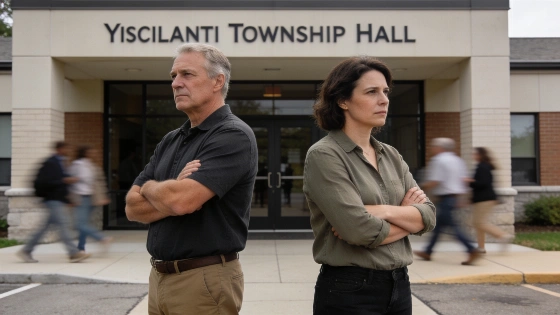
At a second town hall on Oct. 1, Ypsilanti Township residents pressed the University of Michigan for more openness about its proposed Los Alamos computing center and possible effects on local infrastructure.
Protesters gathered outside a University of Michigan town hall Thursday. Many Ypsilanti Township residents said they first heard about the proposed data center through Local 4's reporting, not through an earlier public outreach effort. The complaint was direct.
The university held its second public meeting about the proposal on Oct. 1, 2026. Michigan Public reported that the project has not received final approval. Discussions and more meetings are still underway. The facility is being considered with Los Alamos National Laboratory as a collaborative research computing center for University of Michigan researchers and students.
For residents inside and outside the meeting, the dispute was about more than what the university might build. They also questioned how the community entered the discussion. Township Supervisor Brenda Stumbo has challenged the transparency of the process and called for a joint town hall with university and local government officials.
Residents can track municipal notices and meeting details through the Ypsilanti Township website. The township's public engagement work and the university's project discussions are separate processes.
Residents demand earlier input
Some residents said they had too little time to weigh in before the plans reached a second town hall. They asked why officials had not informed them sooner. They also questioned why public input did not start earlier. The dispute now centers on transparency and participation, not just on a university expansion.
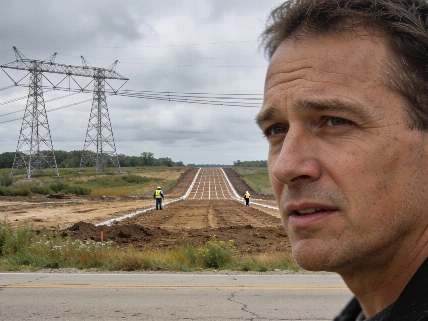
The proposed site is on Textile Road in an industrial area near existing power transmission lines, according to local reporting. It is not along the Huron River. MLive reported that a full environmental assessment had not been completed because the university had only recently settled on the location. Future regulatory review and public scrutiny will therefore matter.
Large computing facilities can affect nearby communities. They may require more electricity and water. They can also bring questions about roads, noise controls and emergency planning. Available reporting does not establish the project's final size or its eventual effect on local water systems, utility service, property taxes or traffic. Those details remain unsettled.
The university held the meeting to hear those concerns. That did not erase the frustration of residents who said news coverage gave them their first notice. Stumbo has said the township was initially misled about the project's scale. University officials continue to describe the proposal as subject to further planning.
Project remains under development
The proposed Los Alamos computing center would serve University of Michigan researchers and students. Public reports have put the planned investment at about $1.25 billion. BridgeDetroit reported that estimate. It is not a final construction budget, and university officials have not presented it as a completed project cost.
That distinction matters to residents who want to know what they can still influence. The second town hall gave them another chance to ask questions. Available information does not identify a final approval date, a construction schedule, a completed environmental review or binding infrastructure commitments.
University spokesperson Paul Courlis said officials were still developing the details and timing of future meetings. He directed residents to send questions and suggestions through the project's official university email. More meetings could give residents a way to examine the proposal with local leaders and independent experts. An invitation alone is not enough if major decisions already appear to be underway.
The planning questions reach beyond Washtenaw County. Officials and residents in Farmington and Farmington Hills routinely use public meetings, planning notices and school board proceedings to assess how major decisions affect infrastructure and neighborhoods. Timely notice matters when a regional project could affect utility demand, transportation or environmental review.
Readers following the issue from Farmington should note that the City of Farmington, the City of Farmington Hills and the Farmington Public Schools board are separate local government bodies. None is a decision maker for the Ypsilanti Township proposal. Oakland County administration and State of Michigan departmental registries may offer broader regional or regulatory context. Neither fact shows that the data center has been approved.
Why data centers draw scrutiny
Communities across Michigan and the country are asking similar questions about large data centers. At the Oct. 1 meeting and in later reports, residents raised concerns about environmental risk, noise, water impacts and the fairness of locating the facility in their community. Those questions exist before construction. Residents need to know how a proposed facility could fit into the place where they live.
A related Michigan analysis examined concerns from local officials about data center expansion. It discussed water use and utility costs. That broader context does not determine what will happen in Ypsilanti Township. It does explain why residents want detailed information before the University of Michigan proposal advances.
The next phase will concern disclosure as well as design. University officials have said they will continue discussions with residents, local leaders and independent experts. Township officials have sought a joint public meeting. Residents opposed to the project have asked for more chances to present their concerns directly.
The research facility remains a proposal, not a finished project. Residents should not be treated as an afterthought. Based on the available facts, the planning process should explain the project's size and costs. It should also address environmental effects, utility demands and the approval pathway before construction decisions are made.