The proposed University of Michigan and Los Alamos National Laboratory computing center remains unapproved after residents raised concerns about classified nuclear-weapons research, electricity demand, water use, taxes and emergency-response costs.
The University of Michigan Board of Regents approved the purchase of two Ypsilanti Township parcels totaling about 124 acres in June 2025. Earlier descriptions placed the proposed site at 144 acres. The $1.25 billion project would create a large computing and research complex. Los Alamos would control 90% of the computing capacity, while U-M would receive 10% under the proposed partnership.
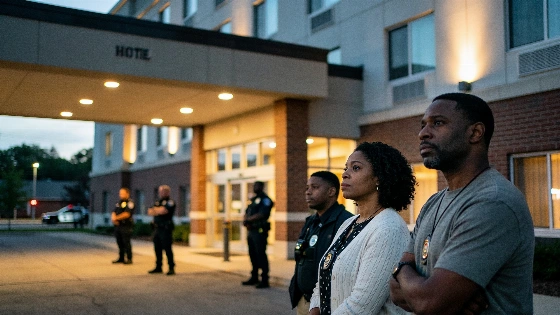
Roughly 200 people attended an October 1 town hall at the Ann Arbor Marriott Ypsilanti. Residents questioned the facility's military purpose, its classified work and the effect of a major industrial development on nearby neighborhoods. University officials described a wider research effort that would include medicine, materials science, clean energy, engineering and national security.
The project is still awaiting approval.
As of October 2, 2026, no final approval had been issued. The university said it would keep consulting residents, local officials and independent experts. It had not set a schedule for more discussions. The U-M Board of Regents has final authority. Ypsilanti Township officials have adopted multiple resolutions opposing the proposal. U-M has tentatively linked construction to late 2027.
The property's history has become part of the dispute. On June 12, 2025, the Board of Regents unanimously approved the purchase of two parcels totaling approximately 124 acres at $65,000 per developable acre. Regents had approved the acquisition of other parcels for $2.6 million in October 2024. Meeting materials and official records are available on the Board of Regents meetings page.
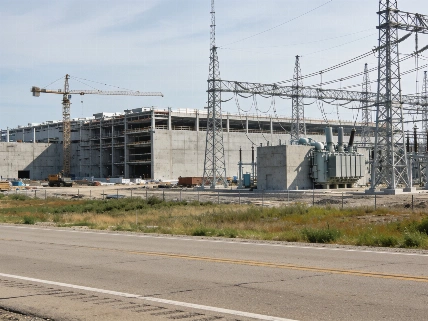
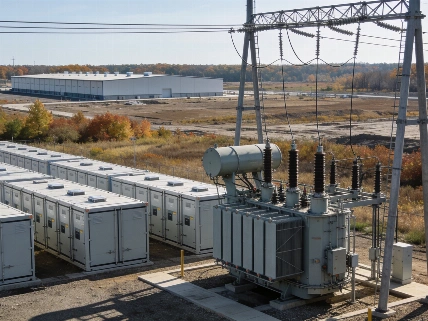
The proposed site sits near Textile Road, across from the Ford Rawsonville Plant. U-M points to nearby high-voltage transmission lines, water infrastructure and industrial zoning as reasons for choosing the area. A full environmental assessment was not complete as of October 2. The Textile Road location had only recently been finalized.
Opponents call the project a military installation by design. An IYSSE statement describes a 50,000-square-foot academic research facility attached to a 240,000-square-foot classified national-security installation. The statement says Los Alamos would use the system to simulate, modernize and develop nuclear-weapons capabilities. That is the group's political analysis. U-M says nuclear-arsenal modeling would help maintain the safety and reliability of existing weapons without full-scale testing.
At a January open house, Los Alamos Deputy Director J. Patrick Fitch acknowledged that the facility would be used for nuclear-weapons research, according to the earlier account. At a September 9 town hall, university officials said Los Alamos would receive 90% of the computing capacity and U-M 10%. Project Lead Steven Ceccio, a U-M engineering professor, said the arrangement was the best balance the university had found between its research goals and community interests.
Electricity and water remain major points of disagreement. U-M estimates that the center could need about 100 megawatts at full capacity. The university says the project would not draw water from or discharge water into the Huron River. It also says residents' electricity bills should not rise because of the center.
The water estimate is disputed.
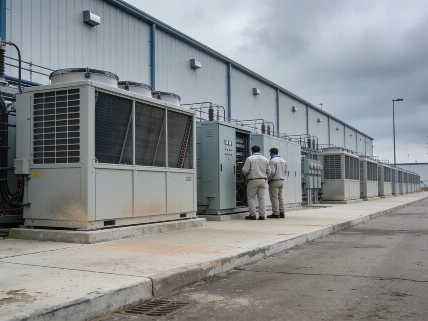
Opponents have raised separate concerns about the fresh water required by large cooling systems. One estimate puts possible use at up to one million gallons per day. That figure comes from opposition or project assumptions. It should remain qualified until engineering and environmental documents establish the final cooling design.
Public revenue and local services are also unresolved. Opponents say Ypsilanti Township would receive no conventional property-tax revenue. They also say the project might not directly support local schools, roads or emergency services while creating possible response obligations. Public employment estimates have changed as well. The site grew from an earlier 20-acre concept to roughly 124 to 144 acres. Projected permanent employment reportedly fell from about 200 positions to as few as 30 or 35.
Michigan is also expanding its digital infrastructure. A separate earlier cloud report described a statewide school program backed by AWS. That civilian education system differs from a classified national-security facility.
For Farmington Voice readers, this is not a City of Farmington, City of Farmington Hills or Farmington Public Schools board project. Those local bodies would not decide the Ypsilanti Township land-use question. Ypsilanti Township is the relevant local government. Washtenaw County and state agencies may also become involved as applicable. Residents can track township agendas and notices through the Ypsilanti Township portal. Permit and environmental filings may later appear in State of Michigan departmental registries.
The political dispute reaches beyond land use. IYSSE links the proposal to the University of Michigan's handling of campus protests and federal security matters. Its statement includes allegations about the prosecution of pro-Palestinian students and employees, restrictions on student organizations and investigations of activists. The material available for this article has not independently established those claims.
IYSSE also alleges that U-M mistreated Chinese scholars. The statement connects those allegations to the death of Danhao Wang and to congressional testimony about security clearances and visa terminations. These are serious allegations about identifiable people and institutions. Court records, university documents and official government filings would be needed before treating them as established facts.
IYSSE says artificial intelligence itself is not the issue. The group argues that computing could support medical research, energy planning and other civilian purposes. It says corporate and military control directs advanced systems toward exploitation and war. IYSSE instead calls for democratic control of data centers, computing systems and artificial intelligence by working people.
Opponents want the U-M and Los Alamos data center canceled. They also call for an end to nuclear-weapons research and simulation in Ypsilanti Township and elsewhere, along with an end to classified research and military-intelligence collaboration at the university. They want U-M to disclose communications with township officials. They are urging workers, students and residents to organize against the project.
U-M says it plans more engagement with township leaders, elected officials and residents as the proposal moves forward. Paul Corliss, a university representative, said the format and timing of future meetings were still being developed. No final schedule has been announced.
The project remains a proposal, not an operating facility. Its size, classified mission and possible demand for electricity and cooling resources warrant continued scrutiny. Several disputed figures still need technical, financial and environmental records from the university, township and relevant state agencies. Those figures include water consumption, tax effects and employment.