Twin Falls, Idaho, police have ended outside agency access to their license plate reader network after records showed hundreds of immigration-related searches, raising questions about compliance with state law and local policy.
The Twin Falls Police Department in Idaho has changed how it shares automated license plate reader (ALPR) data after public records revealed that outside law enforcement agencies conducted hundreds of immigration-related searches on its system, despite state law and local policy prohibiting such use.
According to records obtained by the activist group DeFlock Idaho, at least 631 immigration-related searches were performed on the Twin Falls ALPR network between March and June 2026. These searches were initiated by agencies across the country, including the Indiana State Police, Georgia's Lawrenceville Police, and several Florida law enforcement offices, through Flock Safety's national network sharing feature.
Idaho law restricts the use of ALPR data to investigations involving felony or misdemeanor crimes, traffic accidents, or missing persons. Local policy in Twin Falls also bars the use of ALPR cameras for immigration enforcement. However, the national data-sharing system allowed outside agencies to search Twin Falls data for immigration purposes, bypassing these restrictions.
How the ALPR Network Works
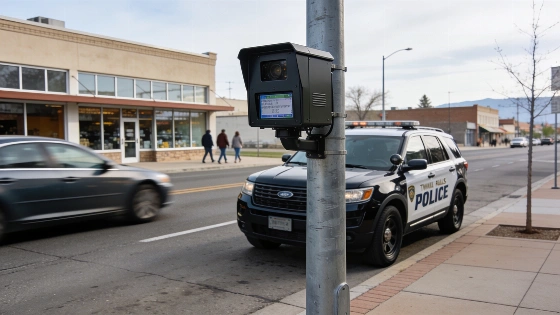
ALPR systems, such as those provided by Flock Safety, use artificial intelligence to scan and record vehicle license plates, car makes, models, and colors. When a vehicle passes an ALPR camera, the system captures its details and can alert police if the vehicle is linked to a crime or missing person report. Officers can also search the network for specific license plates, and the national lookup feature allows agencies to access data from other jurisdictions if they participate in the sharing agreement.
Participation in the national network is reciprocal: agencies can only access national data if they share their own. This arrangement can undermine local restrictions, as outside agencies may conduct searches for reasons not permitted by the originating jurisdiction. In the case of Twin Falls, immigration-related searches were conducted even though local and state rules prohibit such use.
Lieutenant Steven Gassert of the Twin Falls Police Department said that while the immigration searches did not result in any data being pulled from Twin Falls cameras, the system would have automatically shared information if a matching license plate had been detected. He also noted that the department regularly denies direct access requests from federal immigration agencies and the FBI.
Twin Falls Ends National Data Sharing
After the immigration-related searches were identified in network audits, the Twin Falls Police Department ended its participation in Flock's national lookup feature on July 22, 2026. This change means that outside agencies can no longer search Twin Falls ALPR data through the national network.
Gassert stated that the department continually reviews its technology programs and made the change to better align with community expectations and legal requirements. The Idaho Attorney General's Office did not comment on whether the searches by outside agencies could be considered a violation of state law.
Privacy and Oversight Concerns Grow
ALPR technology is increasingly used by police departments nationwide to track vehicles and investigate crimes. However, the ability to share data across jurisdictions has raised concerns about privacy, oversight, and compliance with local laws. Communities using these systems may need to navigate a complex mix of local, state, and national regulations to ensure that data is used appropriately.
In Idaho, ALPR use is limited by state law to specific criminal investigations and missing person cases. Local agreements, such as those in Twin Falls, may impose even stricter rules. The recent policy change in Twin Falls highlights the challenges of maintaining local control over data in a national law enforcement network.