A new analysis places Rhode Island among the top safer states for drivers aged 65 and older, with the state ranking 13th out of 48 based on recent traffic fatality data. The findings highlight regional differences in senior driver safety across the U.S.
Rhode Island has been recognized as one of the safer states for senior citizen drivers, according to a recent study that analyzed traffic fatality data from the past three years. The research, conducted by Coverage Axis, examined how often drivers aged 65 and older were involved in fatal crashes across the 48 contiguous states.
The study found that Rhode Island ranked 13th safest for older drivers, based on the percentage of traffic fatalities involving seniors. Over the three-year period, the state recorded 273 fatal crashes involving senior drivers out of a total of 980 traffic fatalities. August was identified as the month with the highest number of these incidents in Rhode Island.
Study Highlights Regional Differences
According to the analysis, the share of fatal crashes involving older drivers varies widely across the country. West Virginia was identified as the most dangerous state for senior drivers, followed by North Dakota and Minnesota. In contrast, California was ranked the safest, with Texas and Maryland also among the top three safest states for older motorists.
The study compared each state's percentage of all traffic fatalities that involved a driver aged 65 or older. Researchers also identified the month when fatal crashes involving seniors occurred most frequently in each state, providing additional insight into seasonal trends.
Senior Driver Safety Remains a Priority
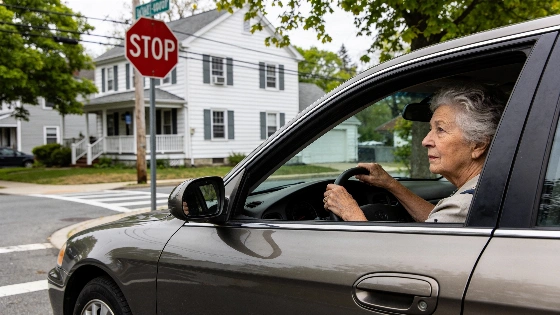
As more older adults continue to drive later in life, safety remains a key concern. While many seniors benefit from years of driving experience, age-related changes such as slower reaction times and reduced vision can increase crash risk. The study's findings underscore the importance of ongoing efforts to support safe mobility for older residents.
Rhode Island's relatively strong ranking suggests that local factors-such as road design, traffic enforcement, and public awareness-may contribute to safer outcomes for senior drivers. However, the data also highlights the need for continued attention to senior driver safety, especially during peak months like August.
State and local agencies often use this type of data to inform public safety campaigns, infrastructure improvements, and driver education programs. By understanding when and where risks are highest, officials can better target resources to help reduce serious crashes involving older adults.