A statewide ballot proposal could bar major utilities and large state contractors from making political donations in Michigan, raising questions about free speech and campaign finance rules ahead of the November 3 election.
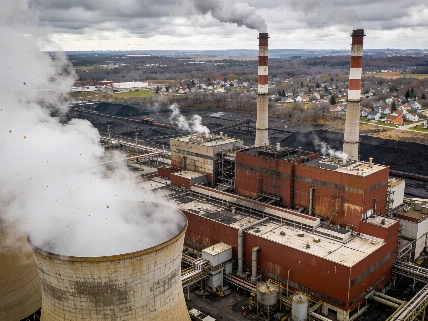
Michigan voters will have the chance this November to decide whether to prohibit major utilities and large state contractors from making certain political donations, a move that supporters say would reduce the influence of corporate money in state politics. The proposal, certified for the ballot this week, targets companies such as DTE Energy, Consumers Energy, and other businesses with significant government contracts, along with their top executives and board members.
The initiative, known as Michiganders for Money Out of Politics, would ban specific political contributions from individuals with substantial ties to regulated electric and gas utilities or companies holding more than $250,000 in annual state contracts. The measure is set for the November 3 ballot, though opponents have asked the Michigan Supreme Court to block it, and the Legislature could still act before the election.
Who Would Be Affected
If approved, the proposal would extend Michigan's existing ban on direct corporate contributions to candidates by also restricting donations from company presidents, CEOs, treasurers, board members, and those with significant ownership stakes. Immediate family members of these individuals would also be barred from donating to statewide and legislative candidates, party committees, and certain other political committees. The ban would also apply to contributions supporting officials who oversee utility regulation, such as members of the Michigan Public Service Commission.
Additionally, the measure would prohibit affected individuals and their families from donating to organizations affiliated with elected officials or candidates that pay for travel, meals, or other expenses. While corporations are already restricted from direct candidate donations, many have contributed through employee-funded political action committees (PACs) and so-called "dark money" nonprofits that do not disclose donors. The proposal would require disclosure for groups that reference candidates or ballot issues in issue ads, but would not ban contributions to independent expenditure super PACs, which remain legal under the U.S. Supreme Court's Citizens United decision.
Debate Over Free Speech
Opponents argue that the proposed restrictions would violate First Amendment rights by limiting political association and speech. DTE Energy and Consumers Energy have both raised concerns, with DTE describing the measure as an attempt to silence lawful participation in political issues. Supporters counter that the proposal is designed to curb pay-to-play politics and does not prevent anyone from expressing their views or volunteering for campaigns.
Legal experts note that while the U.S. Supreme Court has generally protected political spending as a form of speech, especially for corporations and unions, courts have also upheld more narrowly tailored restrictions aimed at preventing corruption. Some states, including Illinois and South Carolina, already have laws limiting political contributions from government contractors to officials who approve contracts. Michigan's proposal is expected to face legal challenges if it passes, and its fate may ultimately be decided in court.
What Happens Next
The ballot measure's approval would likely trigger a lawsuit, with courts determining whether the restrictions are constitutional. The proposal includes a severability clause, meaning that if any part is struck down, the remaining sections would stay in effect. If enacted, the law would not prevent utilities or contractors from publicly supporting candidates or issues, but would limit their ability to make direct financial contributions to certain political campaigns and committees.
This proposal comes as Michigan voters have faced other high-profile ballot questions in recent years, including a recent effort to tighten voter ID requirements that failed to reach the ballot, as reported in coverage of the citizenship proposal's signature shortfall. The outcome of the utility donation ban could set a precedent for future campaign finance reforms in the state.
Michigan's campaign finance laws are overseen by the Secretary of State and enforced by the Bureau of Elections. The Board of State Canvassers is responsible for certifying ballot proposals and ensuring they meet legal requirements before appearing on the ballot. If the Legislature does not act and the Supreme Court allows the measure to proceed, voters will have the final say on November 3.