A $300 million solar project planned for Zeeland and Jamestown townships could power 34,000 homes but faces pushback from residents and a township lawsuit as Michigan shifts approval authority to the state.
A proposed $300 million solar farm in Zeeland and Jamestown townships has set off a fight over land use and who gets to decide what happens to nearly 1,900 acres of farmland just outside Holland, Michigan. The Silver Maple Solar Project, put forward by German energy company RWE, would cover farmland in both townships-an area with deep agricultural roots and tight-knit rural communities Zeeland Township.
At a recent public meeting, RWE outlined its plans: a 200-megawatt facility that could supply electricity to about 34,000 homes and generate $31.6 million in tax revenue for local governments over the project's lifetime. The company expects to create 250 construction jobs, with work starting in fall 2027 and commercial operation by mid-2029. Despite these numbers, many local farmers and residents are pushing back, questioning whether their community should absorb the impact of Michigan's push for renewable energy (FOX 17 West Michigan News).
State authority and local resistance
The dispute escalated after Michigan's Public Act 233 shifted final approval for large renewable energy projects from local governments to the Michigan Public Service Commission (MPSC), reducing the power of townships to block these developments. Zeeland Township responded with a lawsuit, arguing that local government should keep real control over land use decisions, especially when farmland and the rural character of the area are at stake. Township representative Kerry Bosma has been clear about this position (MLive).
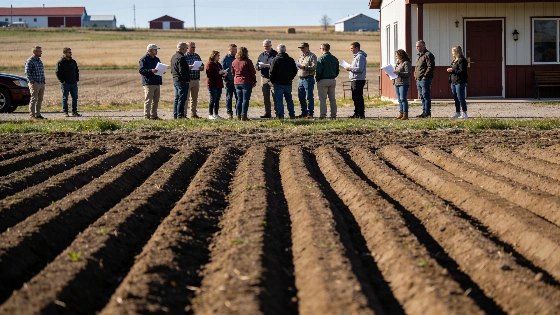
For many in Ottawa County, the issue is less about clean energy in theory and more about the future of farmland and the community's identity. Hundreds of residents have turned out at public hearings, worried about losing agricultural land and the effect on families who have farmed here for generations. The Ottawa County Board of Commissioners and local planning commissions have become important forums for these debates, showing how much local engagement matters.
Balancing energy goals and community impact
Michigan lawmakers say statewide clean energy targets are hard to meet if every community can block major projects. Still, township meetings and planning commissions are where residents expect to have a say-especially when projects of this size are proposed nearby. The Silver Maple Solar Project isn't the only development facing resistance; similar fights have broken out in other Michigan towns over battery plants and data centers, with residents organizing petitions and raising questions about how these projects are sited. The Michigan Public Service Commission keeps a public docket for these projects, where residents can submit comments and review filings Michigan Public Service Commission.
Opponents of the Zeeland project say their objections aren't about renewable energy itself. They want a process that gives local people real influence over where and how these projects are built. The difference between being anti-development and wanting responsible development has become a central point in the debate. At a public hearing on September 10, 2026, residents raised concerns about preserving farmland and the possible disruption to rural life-issues that remain at the top of township board agendas.
What happens next
After the first public hearing on September 10, 2026, RWE paused its application to the MPSC to allow more time for talks with local stakeholders, with plans to refile within a month. A second required public meeting was set for September 11, 2026, at Patmos Library in Hudsonville, showing that the public participation process is still underway (FOX 17 West Michigan News). The results of these hearings and the ongoing lawsuit will test how Michigan balances its clean energy goals with the rights of local governments and property owners.
Michigan's approach to renewable energy development now depends on whether state officials can move forward without sidelining the communities most affected. The Silver Maple Solar Project has become a test case for this new phase of energy policy, where the voices of landowners, local officials, and residents are weighed alongside the state's push for a cleaner grid. The project's next steps will depend on the outcome of legal proceedings and whether all sides can reach an agreement, as documented in the records of the Michigan Public Service Commission and local township boards.