A proposed Michigan constitutional amendment requiring photo ID for all voters was blocked from the November ballot after a state board deadlocked. The group behind the initiative is now seeking urgent intervention from the Michigan Supreme Court.
The group Americans for Citizen Voting is asking the Michigan Supreme Court to intervene after a proposed constitutional amendment requiring all voters to present photo identification was excluded from the November statewide ballot. The move follows a deadlock by the Board of State Canvassers, which left the initiative off the ballot despite the group submitting more than 700,000 petition signatures-well above the 446,198 required for consideration.
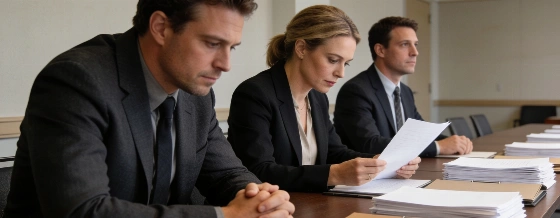
The Board of State Canvassers, a four-member panel, spent nearly seven hours on Monday reviewing a sample of 1,000 petition signatures. According to the Michigan Bureau of Elections, the sample fell just short of the 629 valid signatures needed to advance the measure, resulting in a 2-2 split vote. Without a majority, the initiative was not certified for the November 3 ballot.
Legal Challenge and Next Steps
In response to the board's decision, Americans for Citizen Voting filed a lawsuit with the Michigan Supreme Court, seeking immediate relief to place the amendment before voters this fall. The group stated it would pursue all available legal avenues to ensure the signatures are recognized and the measure appears on the ballot. The deadline to finalize the November ballot is September 4, leaving a narrow window for court action.
Paul Jacob, chairman of Americans for Citizen Voting, emphasized the group's commitment to the process and argued that a partisan deadlock should not override the constitutional rights of Michigan citizens. The organization maintains that the state must be accountable for recognizing valid signatures and allowing voters to decide on the proposed amendment.
State Review and Legislative Response
The Michigan House of Representatives voted this week to establish a new committee to review the state's signature verification process. Lawmakers cited concerns about the rigor and transparency of the current system, especially in light of the board's split decision on the Americans for Citizen Voting initiative.
Signature verification has become a recurring issue in election administration across the country. In a recent example, a federal judge dismissed a Department of Justice lawsuit seeking access to Minnesota's full voter registration list, marking another instance where courts have weighed in on election procedures. For more on how courts are handling election-related disputes, see this recent federal court decision on voter data access.
Understanding the Ballot Initiative Process
In Michigan, proposed constitutional amendments can reach the statewide ballot if supporters collect a sufficient number of valid signatures from registered voters. The Board of State Canvassers is responsible for certifying whether initiatives meet the requirements. A deadlock on the board, which is evenly split between political parties, can prevent measures from advancing even when signature thresholds are met. Legal challenges are sometimes necessary to resolve disputes and ensure initiatives receive a fair review before ballot deadlines.