Michigan is now competing with regions in the South, Mexico, Europe and China for automotive projects as companies weigh costs, speed and site readiness before investing in new or existing facilities
Michigan's status as the historic center of the U.S. auto industry no longer guarantees it a seat at the table for new automotive investment. Companies making billion-dollar decisions are now comparing Michigan directly with fast-growing regions in the American South, Mexico, Europe and China, where aggressive strategies are reshaping the competitive landscape.
Automakers and suppliers are not waiting for the industry to stabilize. Instead, they are pouring resources into sites, infrastructure and workforce systems designed to attract the next wave of automotive growth. Michigan's legacy in engineering and manufacturing remains a strength, but it is no longer enough to secure future projects without a clear plan to address new challenges.
Key Factors in Site Selection
According to a recent competitive assessment, Michigan continues to lead in automotive engineering, research and supplier concentration. However, the state faces mounting pressure in areas that directly influence investment decisions. Industrial electricity costs, property tax burdens, permitting timelines, regulatory coordination and site readiness are now critical factors for companies deciding where to build or expand facilities.
States competing for automotive projects have demonstrated the value of coordinated economic development. Many have prepared industrial sites in advance, streamlined approval processes, aligned workforce training and offered predictable incentives. These steps have allowed them to move quickly when opportunities arise, often outpacing Michigan in project delivery speed and predictability.
Modernization and Retention Challenges
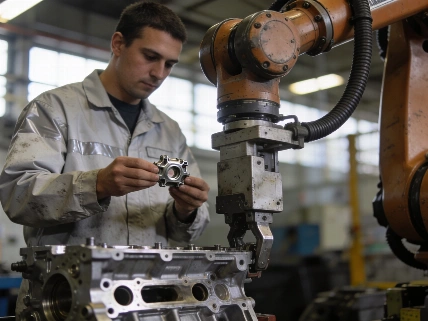
The competition is not limited to attracting new plants. Retaining and modernizing Michigan's existing automotive assets-plants, suppliers and engineering centers-has become just as urgent. Companies are looking for locations that can support automation, artificial intelligence, new propulsion systems and software-defined vehicles. Without targeted support for reinvestment and modernization, Michigan risks losing ground even in its traditional strongholds.
To remain competitive, Michigan must update its incentive structures, improve permitting predictability and ensure that energy and infrastructure systems can meet the demands of advanced manufacturing. The roadmap calls for a coordinated strategy that leverages Michigan's strengths while addressing its vulnerabilities in cost, speed and regulatory complexity.
What's at Stake for Michigan
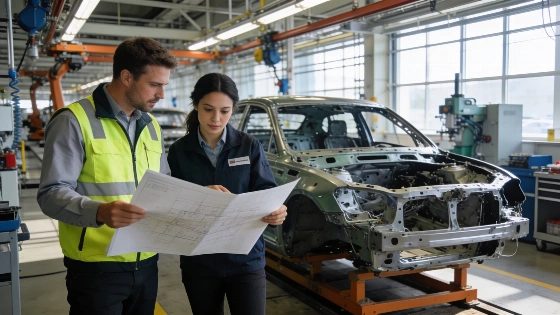
These are not abstract policy debates. The outcome will determine whether new automotive facilities are built in Michigan, whether existing plants receive future product allocations and whether suppliers can justify reinvesting in the state. Billions of dollars in investment and thousands of jobs are on the line as companies weigh their options in a global market.
Michigan's approach must shift from relying on its legacy to actively earning its place in the next generation of automotive manufacturing. The state's ability to move quickly, reduce unnecessary complexity and create a business environment that supports both new investment and reinvestment will decide its future role in the industry.
Michigan's economic development process typically involves coordination between the Michigan Economic Development Corporation, local governments and private industry. Site readiness, infrastructure capacity and workforce training are evaluated before incentives are offered. Competing states have increasingly adopted similar models, but with greater emphasis on speed and predictability. As the global race for automotive leadership intensifies, Michigan's challenge is to modernize its approach without losing the expertise and supplier networks that have defined its economy for generations.