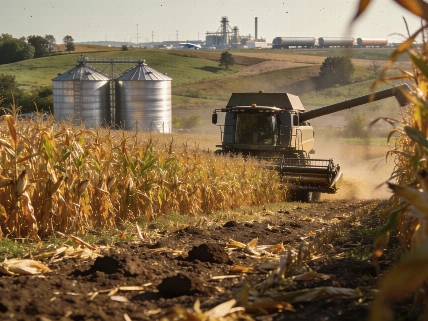
Michigan is seeing a steady decline in family-owned farms, but more farmland is being protected through conservation programs as land values rise and development pressures increase, especially in northern regions.
Family-owned farms across Michigan are declining in number, but a growing share of the state's farmland is being preserved through conservation programs as land values rise and development pressures mount. Farmers are weighing difficult decisions about the future of their land, with many seeking ways to keep it in agriculture for future generations.
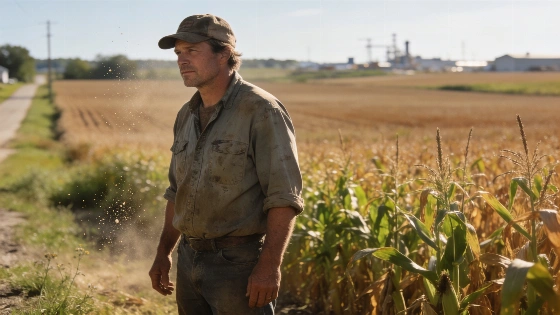
John Boyer, who grew up on 131 acres of farmland in East Jordan, repurchased his family's property after it changed hands several times. He said his motivation was to prevent development from overtaking the farming community and to maintain the land's agricultural use.
Farmland Ownership and Preservation Trends
According to the U.S. Department of Agriculture, Michigan had about 9.5 million acres devoted to farming in 2022, down from 9.8 million acres in 2017-a decrease of roughly 3%. The amount of farmland owned by farmers fell by about 208,000 acres, or 3.6%, over the same period. Leased or rented farmland also declined at a similar rate. Despite these losses, the number of acres protected by conservation programs has increased, reflecting a national trend toward farmland preservation.
Farmers face mounting pressure to sell due to high land prices, the effects of climate change, and a shortage of younger people entering the profession. In 2023, Michigan farmland was valued at approximately $6,800 per acre, up 7.8% from the previous year and outpacing the national average. These rising values make it tempting for owners to sell to developers or for non-agricultural uses.
Conservation Easements and Leasing Options
To protect his land, Boyer entered a conservation easement with the Little Traverse Conservancy, selling the development rights while retaining ownership. This arrangement ensures the land remains in agriculture even if it is sold or passed to heirs. However, conservation easements can be a difficult choice for farmers, as they typically pay less than the land's full market value due to development restrictions.
About 6,000 of the conservancy's 30,000 protected acres in northern Michigan and the Upper Peninsula are farmland. Interest in these programs is growing, but financial considerations and timing remain challenges for many landowners.
Leasing is another tool for keeping farmland in production. Rebecca Carlson, who operates Overlook Orchards in Northport, has expanded her family's farm to 1,300 acres by purchasing and leasing land, often from multi-generational farmers without successors. Leases, which in her case last up to 30 years, allow land to remain in agriculture without the full costs of ownership. However, high lease rates and finding suitable land are common concerns among Michigan farmers, according to a 2026 Michigan State University survey.
Development Pressures and Renewable Energy
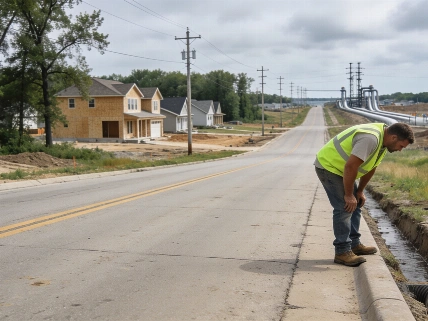
Development remains a significant threat to Michigan farmland, especially as demand grows for industrial, residential, and renewable energy projects. In some areas, landowners are approached by solar and wind developers offering long-term leases. While solar installations currently occupy only 0.09% of USDA prime farmland in Michigan, local opposition to such projects is strong, particularly when they threaten productive fields.
In Wexford County, for example, plans to install solar panels on nearly 1,500 acres of farmland have sparked debate about the long-term impact on agriculture. Some farmers, like Carlson, argue that renewable energy projects should be sited on less productive land or existing infrastructure rather than farmland needed for food production.
Context and Next Steps
As more farmland changes hands in the coming decades, Michigan farmers and landowners are exploring a mix of conservation easements, leasing, and other strategies to keep land in agriculture. The state's preservation efforts mirror a broader national movement to balance economic pressures with the need to protect farmland for future generations.
These trends are part of a larger shift in how Michigan communities manage land use and development. For example, local libraries are also adapting to changing community needs by expanding outdoor and educational programs, as seen in recent initiatives described in this report on library services. As rural and urban areas alike face new challenges, the choices made by farmers, landowners, and local institutions will shape Michigan's landscape for years to come.