The Michigan Department of Agriculture and Rural Development is distributing $2.3 million in grants to help farms and food businesses across the state increase production and create new jobs in local communities.
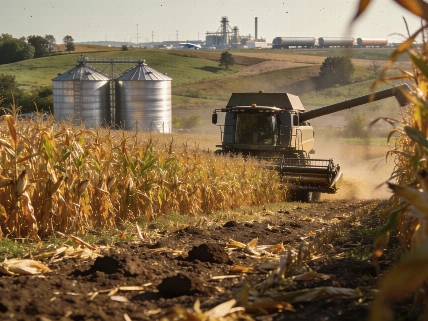
Michigan is investing $2.3 million in its food and agriculture sector, directing funds to farms and businesses that can increase the supply of locally grown food and create jobs. The Michigan Department of Agriculture and Rural Development (MDARD) has launched a new round of Underserved, Value-Added, Regional Food Systems and Supply Chain Grants. The goal is to help businesses grow and strengthen food systems across the state. According to the State of Michigan, this effort is part of a larger push to support local economies and improve food access in regions like Oakland County and the Thumb.
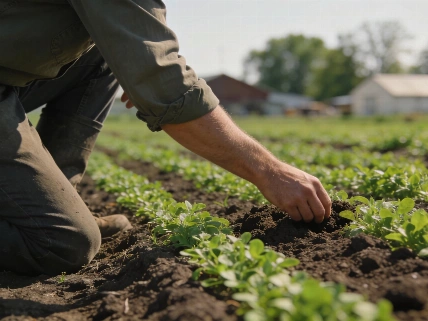
The grants are meant to do more than just raise production numbers. They aim to help communities get more Michigan-grown food and to support economic opportunities for farmers and food businesses. MDARD says the funding will create both full-time and part-time jobs in several regions. Projects include greenhouse expansions, better cold storage, and hands-on agricultural training. The program focuses on infrastructure and value-added processing, not just growing more crops, following the direction of recent state agricultural policy.
Where the money is going
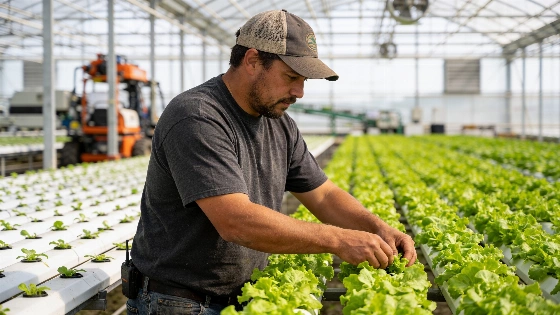
In Mid-Michigan, Blue Mitten Farms in Okemos will receive $100,000 for infrastructure upgrades to expand greenhouse production, which will add one part-time job. In northern Michigan, Lakeview Hill Organic Farm LLC in Traverse City is set to get $99,744 to build climate-controlled hoophouses, supporting year-round organic produce and creating one full-time and one part-time job. Z&N Farm in Bear Lake will use $89,921 to expand cold storage, upgrade post-harvest systems, and install a new greenhouse, increasing the supply of fresh produce for Manistee County and nearby rural communities. These are among 28 organizations statewide receiving support, with confirmed projects in Southeast Michigan, West Michigan, and the Upper Peninsula as well.
Southeast Michigan is also seeing investment. Forget Me Not Farms in Lambertville will receive $100,000 to build three hoop houses, expanding fresh cut flower production and improving supply chain reliability during winter. This project is expected to create one part-time and two full-time jobs. Dutton Farm, Inc. in Rochester Hills will use its $100,000 grant to expand its horticultural program, providing more access to agricultural training and creating 20 part-time jobs. The City of Farmington and Farmington Hills, both in Oakland County, have previously highlighted the importance of local food initiatives in their planning and public health strategies.
How projects are selected
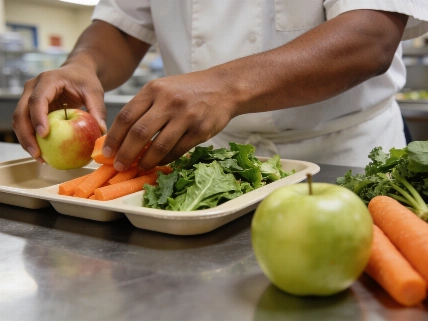
MDARD's grant program uses a competitive review process. A joint evaluation committee reviews each application based on the project's potential impact and measurable outcomes for Michigan's food and agriculture industry. The focus is on expanding production, strengthening supply chains, and increasing community access to healthy, locally grown foods. Local school districts, such as Farmington Public Schools, have also shown interest in partnerships that could bring more Michigan-grown produce into cafeterias, which matches the goals of these grants.
These investments come as Michigan continues to address gaps in local food systems and supply chains. The state's approach differs from other infrastructure projects, such as expanding electric vehicle charging stations, which have sometimes left low-income residents out, as reported earlier.
What this means for Michigan communities
This round of grants shows a clear focus on supporting both rural and urban areas. By funding projects that directly increase production capacity and job opportunities, MDARD is backing practical improvements that can be measured in new jobs and more food on local shelves. The agency's attention to underserved areas and value-added agriculture points to a shift toward more resilient and equitable food systems across the state. Residents can follow upcoming public meetings and grant updates through City Council agendas and official notices.
For Michigan residents, these grants mean better access to fresh, locally produced food and new job opportunities in agriculture and food businesses. The state's investment in infrastructure and training at the community level is a practical step toward building a stronger, more reliable food system that benefits both producers and consumers in every region. As of the latest updates, there have been no reports of changes or cancellations to the announced grant awards, so the planned projects are set to move forward as scheduled.