Youth for Christ's lawsuit against Leland Township over a denied permit for a youth center has stirred debate among residents, many of whom support the township's zoning decision and question the group's approach.
Residents in Leland Township, Michigan, are voicing frustration after Youth for Christ, an international Christian organization, sued the township for denying a permit to open a youth center in a commercial area. Many locals say the group is ignoring established zoning rules and asking for special treatment. The case has also drawn attention from people who follow land use disputes in Leelanau County and across Michigan.
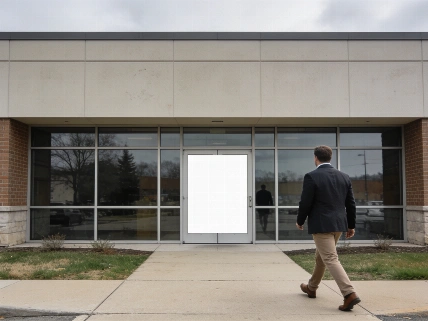
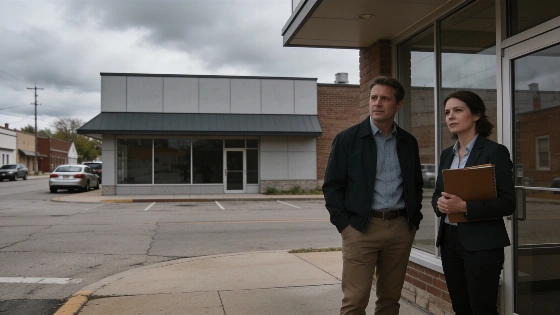
The dispute centers on a property bought for $1.2 million in February 2025 by Apollos Properties, owned by James and Elizabeth VanSteenhouse. They, along with missionaries Micah and Kya Cramer, are among the five plaintiffs in the lawsuit. Their plan was to open a ministry-focused youth center in a business district. Township zoning rules, however, do not allow clubs in the business district unless they serve food and drinks in a seated setting, like a supper club. In April 2026, the Leland Township Planning Commission, led by Lee Cory, voted 4-1 against the special use permit, citing these zoning restrictions. Meeting minutes and statements from township officials confirm the decision was based on zoning, not the religious nature of the group.
Community response to the lawsuit
Many residents have spoken out online and at public meetings, criticizing the lawsuit. According to Bridge Michigan, locals argue that Youth for Christ is not being targeted for its religious affiliation but is subject to the same zoning laws as any other group. Some point out that the organization could have opened a Christian bookstore or another business that fit the zoning rules, but instead chose a use that was clearly restricted. The Planning Commission has emphasized that its decision was based only on the township's zoning ordinance, not the group's religious mission.
Comments from residents show a common view that the lawsuit goes too far. People have repeated that all applicants, whether religious or nonprofit, must follow the same zoning standards. This is reflected in public records and meeting summaries from the Leland Township Board.
Details of the permit denial
The property at the center of the dispute was bought to create a youth ministry space. But Leland Township's zoning ordinance bans clubs in the business district unless they operate as food and beverage establishments with seated service. The Planning Commission's decision was based on this rule, not on Youth for Christ's religious mission. The group filed its lawsuit on August 10, 2026, in federal court, assigned to Judge Paul Maloney, claiming the township's actions violate the First Amendment and their right to religious freedom. Township officials say the denial was strictly about zoning compliance, a position supported by the Planning Commission and the township's legal counsel.
As of September 2026, Youth for Christ's appeal is moving forward, according to local civic calendars and updates from the Leelanau County administration. It is still unclear whether the group will get the permit or if the township's zoning rules will stand in federal court.
Zoning rules and local impact
Zoning ordinances regulate land use and help define the character of business and residential districts. In Leland Township, the planning commission enforces these rules and reviews permit applications for compliance. This case highlights the tension that can arise when organizations seek exceptions to established zoning laws, especially when they have significant resources or national backing. The Michigan Department of Licensing and Regulatory Affairs oversees municipal zoning practices to ensure local ordinances follow state law.
For residents and officials, the outcome of this lawsuit could set a precedent for how strictly zoning rules are enforced and whether exceptions are made for religious or nonprofit groups. The case also shows the importance of understanding local regulations before buying property for a specific use, a topic often discussed at township board meetings and public hearings. Other Michigan towns, including those in the Farmington area, are watching the legal proceedings as they consider how to balance land use policy with constitutional rights.