The proposal sets hourly credits of up to $25 after 72 hours and adds payments for repeat interruptions. Renters could qualify even when landlords hold the utility account.
For widespread outages, Michigan's current rules can leave customers waiting four days before credits begin.
Michigan Senate Democrats have introduced bills that would start outage credits in the first hour and increase payments as an interruption drags on. The package would also offer credits for frequent outages and cover renters whose landlords pay the electric bill.
The proposals would replace the smaller credits now required by the Michigan Public Service Commission, or MPSC. NewsBreak independently described the measures as introduced bills. Available information does not establish that they have been approved or taken effect.
Under the proposed schedule, credits would start at $5 an hour in the first hour without electricity. They would reach $25 an hour after 72 hours. Customers with four service interruptions in a 12-month period would receive $100. Those with more than four would receive $200.
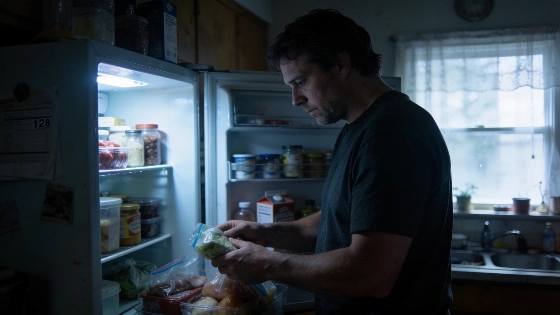
Renters could qualify even when the utility account is in a landlord's name. After four hours without power, the proposed credit would be $50 for spoiled food or lodging. Other costs would also qualify, and the payment could be higher if the actual loss exceeds $50. After 24 hours, the credit would rise to $200, with a higher amount possible if documented losses exceed that figure.
The current MPSC requirement is narrower. During a widespread outage, a customer receives $44 a day, but credits do not start accruing until four days after power is lost. Six or more outages in a 12-month period qualify for an additional $44. No confirmed MPSC decision or utility announcement has been identified that would immediately change those existing credits.
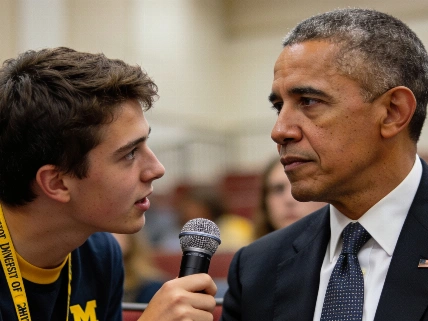
State Sen. Stephanie Chang, a Detroit Democrat and one of the bill sponsors, said the plan is meant to push utilities to restore service faster and reduce outages. She said the credits should better reflect household costs, including the expense of replacing food after a prolonged power loss.
Other bills in the package would require regulated utilities to report to the MPSC on what causes interruptions and on their tree-trimming plans. Reports would also cover grid-hardening projects and other reliability work. Utilities would have to identify the 20% of circuits with the worst performance in each service territory. The filings would give regulators more specific information about outage locations and utility plans.
Consumers Energy said it is reviewing the legislation and follows the outage-credit requirements established by the MPSC. The company said it invests in reliability and prioritizes restoring service safely and quickly. DTE Energy said it is investing in infrastructure upgrades. Its plans include tree trimming and grid modernization, with a stated goal of fewer and shorter outages while keeping energy affordable.
The proposals would put customer compensation alongside utility reliability reporting in the same legislative package. Chang said the MPSC already addresses both outage credits and reliability. She described the bills as lawmakers' work alongside the regulator.
For Farmington-area readers, the bills concern state utility regulation, not a local ordinance or school-board action. The City of Farmington and City of Farmington Hills publish municipal information. Farmington Public Schools' board and Oakland County administration are separate public bodies, and neither is identified as setting these utility-credit rules. The proposal assigns the regulatory role to the MPSC.
Michigan lawmakers have also discussed infrastructure proposals in other areas. A separate proposed gas-tax pause concerns road funding rather than electric service, as covered in this road funding debate.
The outage-credit package would pair earlier payments with circuit-level reporting. That reporting is intended to show regulators recurring trouble spots and what utilities plan to do about them. The proposed credits would recognize household losses, while reporting could give regulators a clearer view of reliability problems and utility plans.
A separate, broader measure known as the Michigan Midterm Voter Approval proposal, or MMOP, concerns accountability for large utilities during prolonged outages. Yahoo News reported that the Michigan House voted in August 2026 to send it for legislative approval. The Senate did not take it up, leaving the question to voters. Senate Majority Leader Winnie Brinks said the Senate would not override voters' choice on a proposal headed to the ballot.