Maryland is distributing 500,000 chip-enabled EBT cards to residents and aid facilities after a successful pilot, aiming to reduce benefit theft and improve security for SNAP and cash assistance recipients across the state
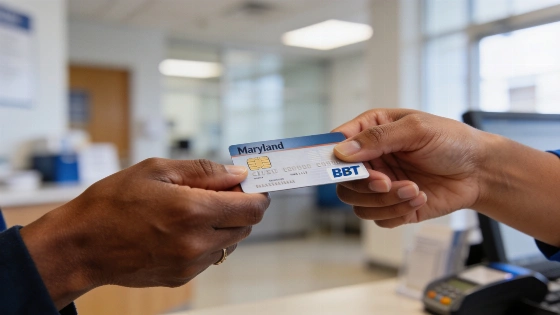
Maryland is moving forward with a statewide rollout of chip-enabled electronic benefit transfer (EBT) cards, following a pilot program that showed strong results in reducing benefit theft. The Maryland Department of Human Services (DHS) has begun sending approximately 500,000 of the new cards to residents and local aid organizations, making Maryland the fourth state in the country to adopt this technology for public assistance programs.
The updated cards are designed to enhance security for recipients of the Supplemental Nutrition Assistance Program (SNAP) and other cash assistance services. According to DHS, the primary goal is to address the ongoing problem of benefit fraud, which has remained a significant issue nationwide since a surge in thefts began in 2022. Traditional magnetic-stripe EBT cards are vulnerable to skimming devices that can steal card data and drain benefits, prompting states to seek more secure alternatives.
Since March 2023, Maryland DHS has replaced $52 million in stolen benefits, including SNAP and pandemic-era EBT funds. Nationally, government benefit fraud has increased by 182% since fiscal year 2021, according to the U.S. Sentencing Commission. The new chip cards are intended to make it much harder for criminals to steal benefits through skimming or cloning.
During the recent pilot, DHS distributed about 1,500 chip-enabled cards to residents in Anne Arundel and Dorchester counties and Baltimore City. Of those, 1,049 cards were activated, and roughly half of the transactions used tap-to-pay or chip insertion features. DHS reported that 92% of transactions during the pilot were securely approved, generating over $191,000 in retailer activity. Nearly all participants lived within 10 miles of a retailer equipped for chip transactions.
DHS officials monitored activation rates and the speed at which recipients began using the new cards. The agency set a target activation rate of 70% and exceeded that goal during the pilot. The cards were also used for ATM withdrawals and online purchases, demonstrating their versatility for benefit recipients.
Maryland joins Alabama, California, and Oklahoma in adopting chip-enabled EBT cards. California reported an 83% drop in EBT theft by November 2025 after introducing chip cards and other anti-fraud measures. Alabama and Oklahoma began mailing chip cards to residents in 2026, following their own pilot programs.
Other states are preparing to follow suit. New Jersey is launching a chip card pilot in three counties this summer, while New York and Pennsylvania have announced plans to begin issuing chip EBT cards in 2027. Pennsylvania's budget for next year includes $7 million to replace magnetic-stripe cards with chip technology.
Maryland DHS will continue to track card activation and usage rates, as well as retailer participation in the chip card program. The agency says the new cards should provide greater peace of mind for benefit recipients, many of whom have experienced theft at the checkout line when using older cards.
Chip-enabled EBT cards are part of a broader effort by states to strengthen the integrity of public assistance programs and protect vulnerable residents from fraud. As more states transition to this technology, officials hope to see a continued decline in benefit theft and improved security for families relying on these essential services.