Lyon Farm and Vineyards in Traverse City continues to adapt as the Lyon family introduces new crops and livestock while maintaining one of Michigan's oldest fruit farms. The operation now spans 100 acres and five generations
Michigan's cherry industry faces unpredictable weather, new pests, and shifting markets, but Lyon Farm and Vineyards in Traverse City is meeting these challenges head-on. The Lyon family, now in its fifth generation, is not only preserving a century-old tradition but also expanding the farm's operations to secure its future.
Each year, the Lyons harvest about 500,000 pounds of cherries, apples, and grapes on their 100-acre property. Much of their cherry crop is processed into Lucky Leaf cherry pie filling, distributed to grocery stores across the country. Their grapes are used for cool-climate wines produced at Left Foot Charley, a local winery.
Engineering Drives Farm Innovation
John Lyon, a chemical engineering graduate, manages the farm alongside his brother Frank, wife Gloria, and son Chris. The family's engineering background has shaped their approach to farming, emphasizing technical problem-solving and diversification. John applied his expertise to transform 12 acres into a vineyard, focusing on soil health and vine growth. He describes grapevines as systems that require careful calibration to avoid both overgrowth and underperformance.
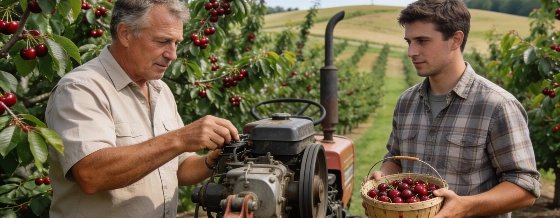
On a farm where machinery breakdowns can threaten an entire harvest, John's experience in diagnosing and repairing equipment has proven essential. The ability to troubleshoot under pressure, developed during his years at the University of Michigan and Dow Corning, remains central to the farm's daily operations.
Adapting to Modern Pressures
Michigan produces about 70% of the nation's tart cherries, with most farms concentrated in the northwest region. In strong years, the state's growers harvest more than 180 million pounds of cherries, generating significant economic activity. However, late frosts and changing climate conditions have made cherry farming increasingly risky. To reduce vulnerability, the Lyons have diversified their crops and added livestock, including pigs and meat chickens, to previously unused parts of the property.
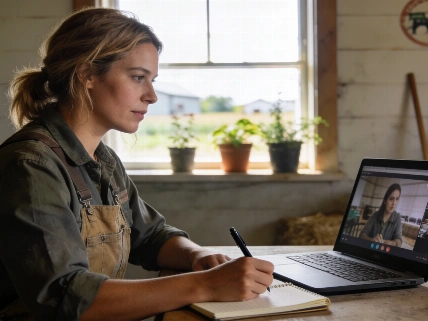
Chris Lyon, who holds a chemical engineering degree and works remotely as a technical business manager, represents the farm's fifth generation. He and his wife Julianne have introduced a vegetable garden and a farm stand selling cherry crumbles and baked goods. These additions provide alternative income streams and help buffer the farm against crop losses caused by weather events.
Family Legacy and Community Impact
Lyon Farm and Vineyards stands as one of the longest-running family-owned fruit farms on Old Mission Peninsula. The Lyons' commitment to innovation and adaptation has allowed the farm to remain viable while many others have closed or consolidated. Their efforts support local jobs, contribute to Michigan's agricultural economy, and help maintain the region's identity as a center for cherry and grape production.
Michigan's tart cherry industry is deeply rooted in the northwest part of the state, with Traverse City recognized as a national leader. The annual National Cherry Festival draws visitors and attention to the area, highlighting the importance of local growers. Farms like Lyon Farm and Vineyards play a key role in sustaining this tradition, even as they adapt to new realities.
As the Lyons continue to diversify and modernize their operations, their approach offers a model for other family farms facing similar pressures. By combining technical expertise with a willingness to experiment, they are keeping Michigan's fruit-growing heritage alive for another generation.