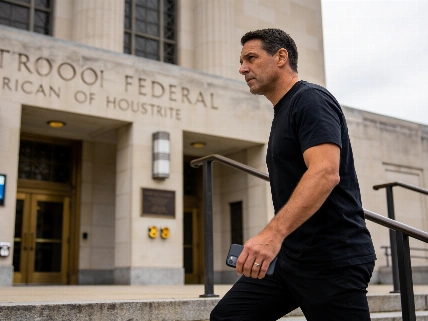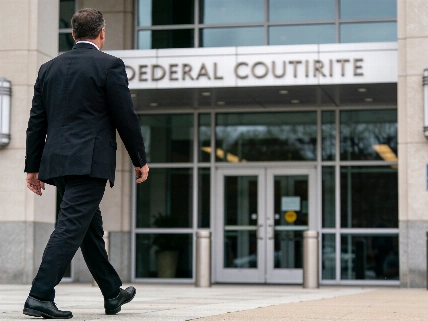

Michigan has lost thousands of federal jobs in the past year, affecting veterans, nurses, inspectors and local economies as service delays and longer wait times become more common across the state
Federal job cuts are hitting Michigan communities far from Washington, D.C., with immediate consequences for veterans, seniors and working families who rely on public services. As federal positions disappear, the work remains-and so do the people waiting for help.
In the past year, the federal government eliminated nearly 238,000 jobs nationwide, according to the American Federation of Government Employees. Michigan lost a significant share, with federal jobs now accounting for just 1.2% of all employment in the state-the lowest proportion in decades. These cuts have not come from distant offices, but from local clinics, field offices, and border crossings where federal employees serve residents every day.
Service Delays and Local Impact
Residents are already feeling the effects. At the Dingell VA hospital in Detroit, nurses continue working through holidays to care for veterans, but with fewer staff, appointments are pushed back by months. Social Security offices in Michigan are seeing longer lines and slower processing times, leaving seniors waiting for critical benefits. Food inspections and customs checks at border crossings are stretched thin, raising concerns about safety and efficiency.
When a federal paycheck disappears, the loss ripples through local economies. In Wayne County, each lost job means one less household supporting local businesses and contributing to the tax base. In smaller communities like Iron Mountain, where the VA hospital is a major employer, job losses threaten the stability of entire towns. No new factories or businesses are stepping in to replace these positions.
Middle-Class Pathways Narrow
Federal jobs have long provided a reliable route to the middle class, offering pensions, health care, and steady pay. Veterans in particular have depended on these positions as a way to continue serving and support their families. In Michigan, nearly two-thirds of federal jobs outside defense and the Postal Service are at the VA, meaning many of the cuts are veterans caring for other veterans.
As these jobs vanish, the opportunity for stable, family-supporting work shrinks. The loss is not just a budget line in Washington-it is a ladder pulled up in communities across Michigan, especially for those who have already served the country.
Union Role and Worker Voice
Behind every public service is a worker whose efforts often go unseen. Unions representing federal employees argue that their role is not to protect poor performance, but to ensure that front-line workers can speak up about unsafe or unsustainable conditions. Without union protection, employees who raise concerns about understaffing or service gaps risk retaliation or job loss, making it harder for the public to learn about problems before they become crises.
Federal employees in Michigan live in cities and towns across the state, coaching youth sports, volunteering in churches, and contributing to their neighborhoods. Their work does not pause for holidays, and their absence is felt in every delayed appointment, missed inspection, or unanswered call for help.
What Residents Should Know
Decisions about federal staffing are made in Washington, but the consequences land in Michigan homes and communities. As the November election approaches, residents are encouraged to ask candidates how they plan to maintain essential services and support the people who do the work. The outcome will determine whether Michigan communities continue to lose ground-or regain the support they need.
Federal workforce reductions are not just numbers on a spreadsheet. They are real changes in the way Michigan residents access health care, benefits, and public safety. The effects are already visible, and the next round of decisions will shape the future of local services for years to come.
Federal jobs in Michigan are managed by a range of agencies, including the Department of Veterans Affairs, Social Security Administration, and U.S. Customs and Border Protection. Funding and staffing decisions are set at the federal level, but local offices and hospitals implement the changes. Residents who rely on these services may experience longer wait times, reduced access, or changes in service hours as a result of ongoing cuts.