During a Sept. 25-27 Michigan tour, EPA Administrator Lee Zeldin reviewed PFAS research at Michigan State University and a Kalamazoo River cleanup. The project has removed more than 330,000 cubic yards of PCB-contaminated sediment and treated more than 900 million gallons of water.
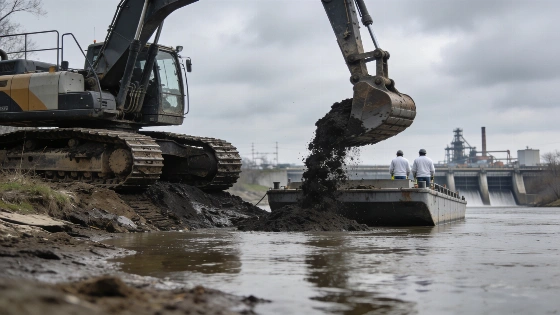
More than 330,000 cubic yards of PCB-contaminated sediment have been removed from the Kalamazoo River since dredging began in April 2025, according to the U.S. Environmental Protection Agency. The agency has also treated more than 900 million gallons of water tied to the cleanup. EPA Administrator Lee Zeldin reviewed the work during a Michigan tour that included the Michigan State University Center for PFAS Research.
The cleanup is taking place near the Trowbridge Dam area, part of the Kalamazoo River Superfund Site. EPA calls it the nation's largest contaminated-sediment removal project. The agency says the community is nearing the return of a free-flowing Kalamazoo River for the first time in about 100 years.
Reuters reported that the active work covers a 2.4-mile stretch contaminated with PCBs. The dam is expected to be removed after dredging ends. The work is still underway.
For readers in the Farmington area, the project shows how federal environmental decisions can affect regional water quality, research funding and public infrastructure. Residents can follow related public information from the City of Farmington, the City of Farmington Hills, Farmington Public Schools and Oakland County administration. None of those agencies has identified a direct Farmington-area connection to the Trowbridge cleanup.
Cleanup moves through Trowbridge
The project involves more than digging out contaminated sediment. Water produced during sediment processing is treated before it is discharged back into the river. EPA's latest update puts the treated volume at more than 900 million gallons.
That treatment is part of the dredging operation. It manages water produced as crews handle the sediment.
EPA has scheduled the next major stages around the end of dredging. The agency says the Trowbridge Dam will be removed and the riverbank restored after the dredging work. The project will take several years. Neither the dam removal nor the restoration is complete.
Zeldin visited a project with a clear physical footprint. Crews are removing sediment from the river. They are treating water from the processing work. The dam is expected to come out after dredging ends. EPA identifies 2026 as the expected year for completing the current dredging phase.
The Kalamazoo work fits into a wider EPA account of Superfund activity. Since January 2025, the agency says it has completed more than 290 cleanup projects, selected 30 remedial remedies and updated 59 cleanup plans. More than 59 million cubic yards of contaminated soil and water have been addressed across Superfund sites.
PFAS research at MSU
At the Michigan State University Center for PFAS Research, Zeldin and U.S. Rep. Tom Barrett received an overview of research into PFAS and their effects on human health, agriculture and the environment. EPA says it has provided more than $200 million to Michigan communities since 2025 to address PFAS.
The research covers practical problems in water protection. It includes ways to measure PFAS, methods for treating drinking water and wastewater, management of residual streams created during treatment, and techniques for finding contamination sources.
Detecting a contaminant is only one part of the work. Researchers must measure its presence, choose a treatment method, handle the material left behind and trace the source. EPA's description shows that the Michigan research center is studying that full chain.
PFAS research in Michigan agriculture is receiving new support. On Sept. 29, the Michigan Department of Agriculture and Rural Development announced $1.9 million in grants for PFAS-related agricultural research, including projects involving Michigan State University. The grants are intended to improve understanding of contamination risks affecting farmland, crops and livestock. Details are available in the MDARD grant announcement.
The federal funding and the MSU visit add context to the river project. As an earlier report noted, Zeldin's Michigan itinerary included energy infrastructure and PFAS research. The latest tour details also include the Kalamazoo River sediment work and its 2026 schedule.
Wider Michigan itinerary
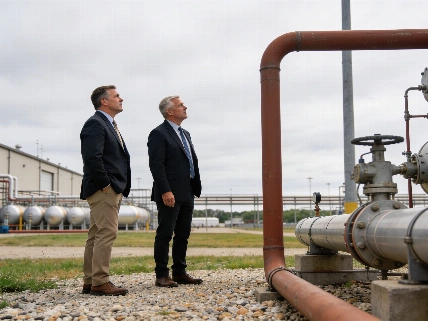
The Sept. 25-27 tour included other stops. Zeldin visited the Enbridge Stockbridge Terminal to discuss energy infrastructure. He also toured the Ford House, where EPA's Great Lakes Restoration Initiative has supported restoration work.
These sites differ in location and purpose. Each involves federal environmental or infrastructure activity at a specific Michigan facility or restoration site.
The visit also made the difference between PCB cleanup and PFAS research clear. PCBs are the main contaminant identified in the Trowbridge sediment-removal work. PFAS research at MSU concerns a separate class of persistent chemicals and the methods used to detect, treat and manage them.
What happens next
EPA's stated sequence for the Kalamazoo River site is direct. Dredging is expected to continue through completion in 2026. The Trowbridge Dam will then be removed, followed by riverbank restoration. Reuters likewise describes dam removal as a step planned after the 2.4-mile dredging project is complete.
The clearest measure of progress is the reported cleanup volume. More than 330,000 cubic yards of contaminated sediment have been removed since April 2025. More than 900 million gallons of processing water have been treated before discharge.
That is measurable progress.
Communities that follow environmental issues through local civic channels, including the City of Farmington, the City of Farmington Hills and the Farmington Public Schools board, may see the work unfold across several agencies and years. Oakland County administration and state departments such as MDARD may provide separate public records or program updates. None of those local entities has been identified as managing the Trowbridge project.
Michigan's environmental work now has two clear tests. The Kalamazoo River dredging must reach its 2026 target. PFAS research must produce dependable methods for measuring contamination, treating affected water, managing residual streams and locating sources. EPA's tour offered a look at work that can be judged by sediment removed, water treated and research methods developed for the practical stages of contamination control.