Pennsylvania's race for governor is now centered on data center development, with new state standards, campaign attacks, and public opposition influencing both candidates' positions ahead of the November election.
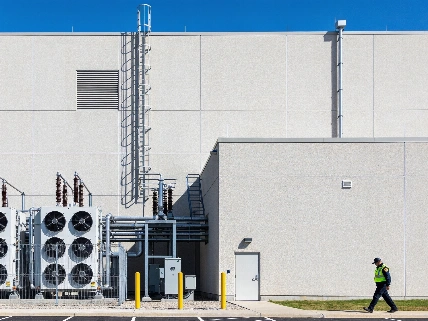
Data centers have become a central issue in Pennsylvania's 2026 gubernatorial race, as both major candidates respond to growing public concern over the rapid expansion of these facilities. Incumbent Gov. Josh Shapiro and Republican challenger Stacy Garrity are now trading criticism over their records and plans for regulating data center development across the state.
Recent polling shows that 75% of Americans would oppose a data center being built in their community, with 61% strongly opposed. In Pennsylvania, this sentiment is reflected in the campaign, as candidates adjust their positions and policies to address voter concerns about energy use, environmental impact, and local control.
Shapiro Issues Executive Order on Data Centers
Gov. Josh Shapiro, a Democrat seeking reelection, recently signed an executive order establishing new requirements for data center projects in Pennsylvania. The order directs developers to comply with "responsible development" standards, which include energy safeguards and require local community approval before construction can begin. These standards had previously stalled in the Republican-led state Senate.
Shapiro's executive order also removes all data center projects from the state's permit fast track program, aiming to slow speculative proposals and ensure greater oversight. The governor emphasized that unchecked data center growth could threaten residents' access to clean air and water, and potentially increase energy costs. He acknowledged his earlier support for major data center investments, including a $20 million Amazon project, but said the volume of new proposals has raised concerns about their impact on local communities.
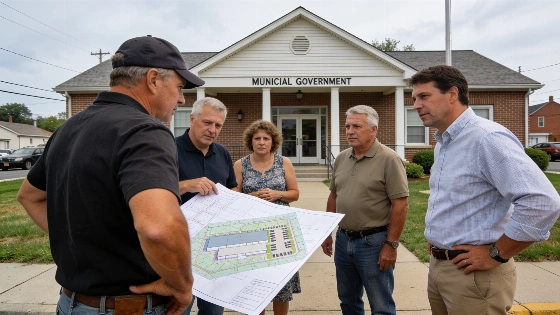
Residents are now encouraged to submit feedback on proposed data center developments through a dedicated state website. Shapiro stated that community input has influenced his evolving stance on the issue, and that the new rules are intended to give local leaders more authority over these projects.
Garrity Criticizes Shapiro, Calls for Development Pause
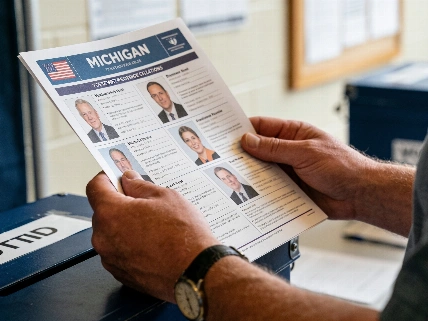
Stacy Garrity, the Republican candidate and current state Treasurer, has made data centers a focal point of her campaign. She has criticized Shapiro for his previous support of data center projects and accused him of changing his position in response to shifting public opinion. Garrity has pledged to support a pause on new data center development if elected, arguing that the state needs to reassess its approach.
Garrity's campaign has also highlighted Shapiro's acceptance of campaign donations from individuals and companies connected to the tech industry and data center development. She has called on Shapiro to return more than $5 million in contributions from these interests, including funds from tech executives and developers. Garrity's own record on data centers has evolved, with past statements supporting deregulation and suggesting that rural areas could be suitable locations for such facilities.
Both campaigns have released attack ads on the issue, with Garrity's team accusing Shapiro of prioritizing political ambitions over community interests, and Shapiro's campaign pointing to Garrity's earlier support for unregulated development.
Public Opinion and Election Impact
The debate over data centers is influencing voter attitudes as the November election approaches. A July 2026 Quinnipiac University poll found Shapiro leading Garrity 53% to 40%, with 5% of voters undecided. In the same survey, 74% of Pennsylvania voters said they would oppose a data center in their community, while only 16% expressed support. Another poll from National Public Affairs Polling in August showed a narrower race, with Shapiro at 50% and Garrity at 43% among likely voters.
This focus on data centers reflects a broader national trend, as local governments and residents across the country weigh the benefits and drawbacks of large-scale digital infrastructure. For example, some communities are exploring how data-driven strategies can help address environmental and infrastructure challenges, as discussed in a recent Farmington Voice report on local government use of data.
With public opposition to data centers at record levels, the outcome of Pennsylvania's gubernatorial race may hinge on which candidate voters trust to balance economic development with environmental protection and local input.
Understanding the Regulatory Process
Under the new executive order, data center developers in Pennsylvania must now provide notice of intent to comply with energy and environmental safeguards and secure approval from local communities before moving forward. The removal of fast-track permitting is intended to give municipalities more time to review proposals and address resident concerns. These changes mark a significant shift in how the state approaches digital infrastructure, placing greater emphasis on local oversight and environmental standards.