
California's updated Brown Act now requires local agencies to offer two-way remote participation and expanded language access, but experts say real public trust depends on showing how community input shapes decisions
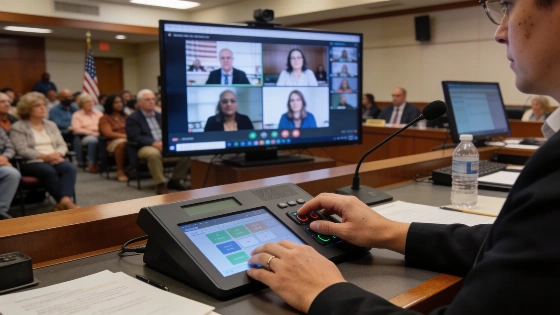
California's local governments are under new pressure to prove that public participation is more than a box-checking exercise. This summer, key provisions of the state's Brown Act-updated through Senate Bill 707-took effect, mandating two-way remote access, accessible web pages, and expanded language translation for public meetings. But as agencies scramble to comply, a deeper challenge remains: convincing residents that their voices actually matter.
For many city clerks, IT teams, and public engagement staff, meeting the new legal requirements is a logistical feat. Yet, according to recent research, fewer than 40% of North American residents believe their input influences local decisions. Even more striking, 60% think outcomes are predetermined before public consultation even begins. The gap between official efforts and public trust is wide-and growing.
Beyond Compliance: The Trust Deficit
While the Brown Act's new mandates open digital doors, they don't automatically build relationships between agencies and communities. Residents may attend meetings, submit comments, or join remote sessions, but many leave feeling ignored. The problem isn't a lack of technical skill among public engagement professionals. Instead, it's the absence of visible connections between public input and final decisions.
When feedback disappears into a bureaucratic black box, skepticism grows. Residents want to see how their time and opinions shape outcomes. Without clear communication about what changed-or didn't-because of community input, trust erodes. The law sets a minimum standard, but real engagement requires agencies to close the loop and show their work.
Turning Data Into Action
Modern technology offers a path forward. Agencies can now use AI-driven tools to analyze large volumes of public comments, identify key themes, and spot geographic trends. This shift allows staff to focus less on manual sorting and more on strategic questions: Which neighborhoods are most concerned? What issues are repeatedly raised? Who isn't participating?
By structuring engagement data, agencies can trace the journey from comment to decision. When residents receive clear summaries of what was heard, what changed, and why some suggestions couldn't be adopted, the process becomes transparent and defensible. This feedback loop is essential for building lasting trust.
Legislation as a Starting Point
According to recent surveys, 93% of public engagement practitioners see potential in AI to improve accessibility, analyze feedback, and coordinate complex programs. The willingness to adopt new tools is there-what's needed are systems that connect participation with outcomes. The updated Brown Act pushes agencies to strengthen accessibility and translation, ensuring more voices are heard. But the ultimate goal is not just compliance; it's better decisions and greater public confidence.
California's legislative changes mark a significant step, but treating compliance as the ceiling of engagement risks missing the point. Agencies that use data to close the loop can demonstrate that participation is meaningful, not just a legal formality. The real test will be whether public bodies move beyond minimum requirements to make community consultation a genuine trust-building process.
How the Brown Act Works
The Brown Act governs open meetings for local government bodies in California, requiring transparency and public access. Senate Bill 707 expanded these requirements, mandating two-way remote participation and improved language access. Local agencies must now ensure their digital platforms are accessible and that residents can participate in real time, regardless of language or location. These changes aim to make public meetings more inclusive and responsive to community needs.