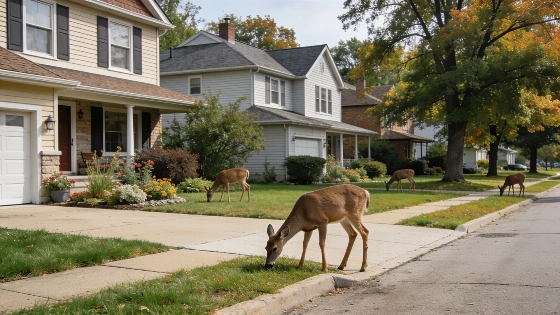
Metro Detroit suburbs including Livonia and Beverly Hills are seeking deer culls to manage rising deer populations, but staffing shortages and high demand mean some communities may wait until 2027 or later for USDA-led operations
Communities across Metro Detroit are grappling with growing deer populations, prompting city councils in Livonia and Beverly Hills to consider organized deer culls. However, limited staffing and scheduling constraints at both the Michigan Department of Natural Resources (DNR) and the U.S. Department of Agriculture (USDA) have created a backlog, leaving some cities waiting years for action.
Livonia City Council members recently addressed resident concerns about deer, explaining that the city is currently on a waitlist for a cull. According to city officials, the DNR, which issues cull permits, is experiencing staffing shortages, while the USDA, the primary contractor for deer culls, is also facing resource constraints. As a result, Livonia is next in line but has no confirmed date for operations.
Regional Demand Outpaces Resources
Interest in deer management has surged across Metro Detroit, with Southfield, Farmington, and Farmington Hills already conducting the region's first coordinated cull earlier this year. Despite a goal of removing 400 deer, only 70 were taken due to weather challenges and limited available land. The venison from the cull was donated to local food banks.
Beverly Hills is also weighing its options. Village Manager Warren Rothe said the council will decide in the coming months whether to proceed with a cull. However, the USDA is fully booked for winter 2027, meaning the village may need to hire private contractors for any earlier action or wait until the USDA is available again. Rothe noted that deer culls are typically most effective in winter but could be scheduled in spring if necessary.
Resident Concerns and Survey Results
Recent surveys in Beverly Hills show strong resident support for regional deer management, with nearly 85% favoring partnerships with neighboring communities. The top concerns cited include damage to gardens and landscaping (78%), deer-vehicle collisions (57%), tick-borne diseases (56%), aggressive deer (36%), and declining deer health (18%). Complaints about deer droppings in yards were also common.
Farmington Hills has launched a new survey to gather input for its 2026 Deer Management Pulse of the Region Survey, in partnership with the Southeast Michigan Urban Deer Coalition and the Southeast Michigan Council of Governments. The survey will run from September 1 to November 1, 2026, and aims to collect detailed feedback on deer-related issues across the region.
Next Steps for Local Governments
While some communities have already completed initial culls, others are still in the planning or permit-application stages. Farmington Hills has no cull scheduled for this winter but has adopted a resolution supporting ongoing deer management in compliance with state regulations. Southfield officials plan to pursue a cull in 2027, though as of late August, it was unclear if a permit application had been submitted to the DNR.
Deer cull permits are issued by the DNR, but the department does not conduct the culls itself. The USDA remains the largest contractor for these operations, but its capacity is limited by staffing and funding. According to the USDA, while many communities have expressed interest, no formal agreements are currently in place for new culls, and there is no official waitlist maintained by the agency.
As deer populations continue to rise, Metro Detroit communities are exploring both public and private options for managing the issue. Many officials expect that culls will need to be repeated over several years to achieve lasting results, and regional cooperation may be key to addressing resident concerns effectively.
In Michigan, deer management in suburban areas typically requires coordination between local governments, the DNR, and the USDA. The process involves permit applications, public hearings, and, in some cases, resident surveys to gauge support and identify specific concerns. With demand for culls outpacing available resources, communities are encouraged to plan well in advance and consider alternative contractors if USDA capacity is unavailable.