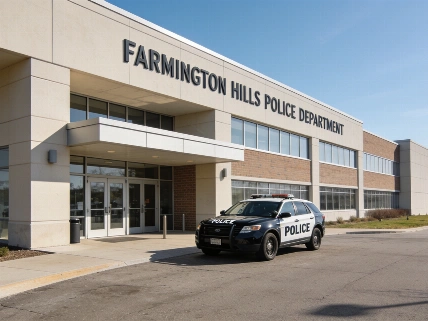
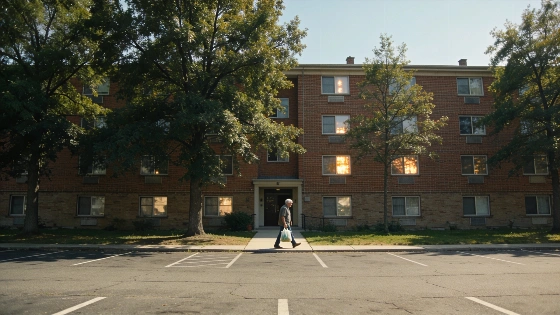
A public hearing is set for September 22 at Farmington City Hall to review a proposed Brownfield Plan that could fund major rehabilitation of the Farmington Place Apartments, a senior income-based complex on Grand River Avenue
Farmington officials are preparing to decide whether a major redevelopment of the Farmington Place Apartments will move forward, as the city's Brownfield Redevelopment Authority sets a public hearing for September 22. The outcome could determine if the aging senior apartment complex on Grand River Avenue receives critical funding for rehabilitation through Michigan's Brownfield Redevelopment Financing Act.
The hearing, scheduled for 2:30 p.m. in the City Council Chambers at 23600 Liberty St, will give residents and stakeholders a chance to weigh in on a plan that could reshape one of Farmington's largest affordable housing sites for seniors. The proposal would allow the developer and the city's Brownfield Redevelopment Authority to recover eligible costs-such as infrastructure improvements-using future tax increment revenue generated by the property.
What the Brownfield Plan Covers
The Farmington Place Apartments, located at 32900 Grand River, is a single building with approximately 122,924 gross square feet and 153 income-based rental units for seniors. The plan targets rehabilitation of the existing structure, not new construction, and would reimburse only those costs deemed eligible under state law. According to city documents, reimbursement would be limited to the actual tax increment generated by the redevelopment, meaning no upfront city funding is required.
The legal description of the property is extensive, covering multiple lots and vacated streets within the original Davis Addition and Assessor's Plat No 3. The plan's approval process requires a City Council vote after the public hearing, ensuring that local elected officials have the final say on whether the project proceeds.
How the Process Works
Brownfield plans in Michigan are governed by Act 381 of 1996, which allows local governments to support redevelopment of properties that are contaminated, blighted, or functionally obsolete. In this case, the Farmington Brownfield Redevelopment Authority is acting under powers delegated by the City Council. If the plan is approved, the developer and the Authority can be reimbursed for eligible expenses, but only from new tax revenue generated by the improved property-protecting the city's existing tax base.
All documents related to the proposal, including maps and the full Brownfield Plan, are available for public inspection at the City Clerk's Office. Residents can review the details ahead of the hearing and raise questions or concerns directly with city officials during the public session.
Community Impact and Next Steps
The Farmington Place Apartments serve a critical role in providing affordable, income-based housing for seniors in the city. Rehabilitation of the building could improve living conditions for current and future residents, while also updating infrastructure that may be decades old. The use of Brownfield financing means the project would not draw from general city funds, but instead rely on future increases in property tax revenue resulting from the improvements.
Public hearings like this are a required step before any Brownfield Plan can be adopted in Farmington. The process is designed to ensure transparency and give residents a voice in decisions that affect local housing and development. Similar public processes have been used for other major projects in Michigan, including education initiatives such as the earlier breakdown of state funding for dual enrollment programs.
Under Michigan law, the City Council must approve the Brownfield Plan before any reimbursements can occur. If the plan is rejected, the developer would need to seek alternative funding or scale back the proposed rehabilitation. The September 22 hearing will be the public's primary opportunity to influence the outcome before a final council vote.
Farmington's approach to this redevelopment reflects a pragmatic use of state tools to address local housing needs without shifting costs onto taxpayers. By tying reimbursement to actual tax increment generated, the city limits its financial risk while encouraging investment in affordable senior housing. The real test will be whether the plan delivers meaningful improvements for residents without unintended consequences for the broader community.