A coalition of 22 states is seeking to block a federal subpoena that would give the Department of Homeland Security access to millions of commercial driver's license records, raising concerns about privacy and federal overreach
A coalition of 22 states led by Democratic attorneys general has filed a lawsuit in federal court to stop the Department of Homeland Security (DHS) from obtaining access to approximately 17 million commercial driver's license records. The states argue that DHS lacks the legal authority to demand this data and warn that releasing it could compromise the privacy of millions of truck drivers across the country.
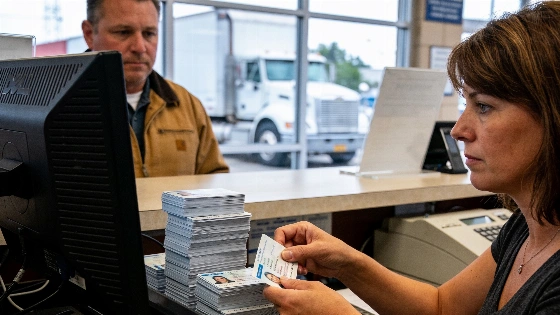
The legal action, filed Thursday in the U.S. District Court for the Eastern District of Virginia, seeks to invalidate a federal subpoena issued to the American Association of Motor Vehicle Administrators (AAMVA). The subpoena requests five years of records from the Commercial Drivers' License Information System (CDLIS), including names, dates of birth, license numbers, and Social Security numbers.
States Cite Privacy and Surveillance Concerns
According to the lawsuit, the states believe DHS's request is part of a broader pattern of seeking personally identifiable information to build what they describe as a "nationwide surveillance system." Maryland Attorney General Anthony Brown stated that the Trump administration is attempting to seize personal data without proper safeguards or consultation with the states involved.
The coalition's concerns are heightened by previous federal efforts to access state-held data, such as Medicaid and Supplemental Nutrition Assistance Program records, for immigration enforcement purposes. The states argue that the current subpoena could set a precedent for further federal data collection without adequate privacy protections.
Timeline of the Federal Request
The Federal Motor Carrier Safety Administration (FMCSA) first requested the commercial driver data from AAMVA on June 25. In response, AAMVA expressed concerns in a June 30 letter, noting that FMCSA is not entitled to CDLIS records and must comply with U.S. privacy laws. During a July 23 meeting, FMCSA officials allegedly threatened to withhold federal grants and contracts from AAMVA and to pursue litigation if the data was not provided promptly.
After initial resistance, AAMVA indicated it would comply by mid-August. However, DHS then issued a subpoena for the same records, which was later withdrawn and replaced with a new subpoena on Tuesday, giving AAMVA until the following Monday to respond. On Friday, a federal judge issued an administrative stay, delaying the deadline for AAMVA's response and scheduling a hearing for the coming Thursday to determine whether the subpoena should be invalidated.
Federal Justification and Next Steps
DHS has stated that the subpoena is intended to support investigations into illegal practices at commercial driver's license schools and to assist with immigration enforcement. In a statement, DHS argued that allowing unauthorized immigrants to obtain driver's licenses poses safety risks on American roads and criticized state policies that permit such licensing.
AAMVA has not commented publicly on the lawsuit or the subpoena. The outcome of the upcoming court hearing will determine whether DHS can proceed with its request for the CDLIS data or if the states' challenge will succeed in blocking federal access.
This legal dispute follows other recent clashes between states and the federal government over data sharing for immigration enforcement. For example, a recent federal proposal to expand data sharing on Temporary Assistance for Needy Families recipients was postponed after several states filed suit, as reported in coverage of the delayed TANF data sharing plan.
The case highlights ongoing tensions between state privacy protections and federal efforts to access large-scale personal data for law enforcement and immigration purposes. The court's decision could have significant implications for how driver and other state-held records are handled in the future.